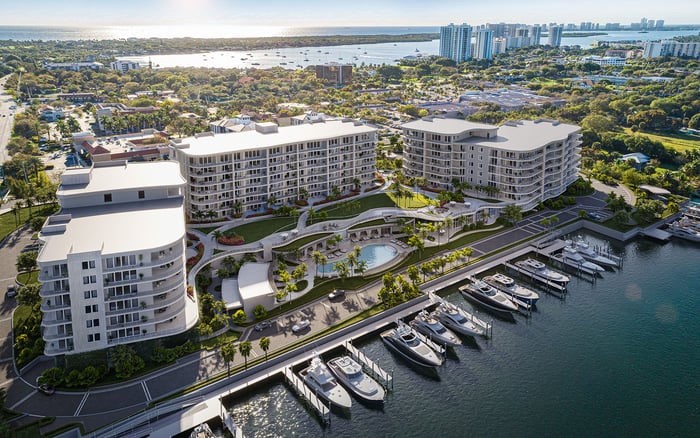
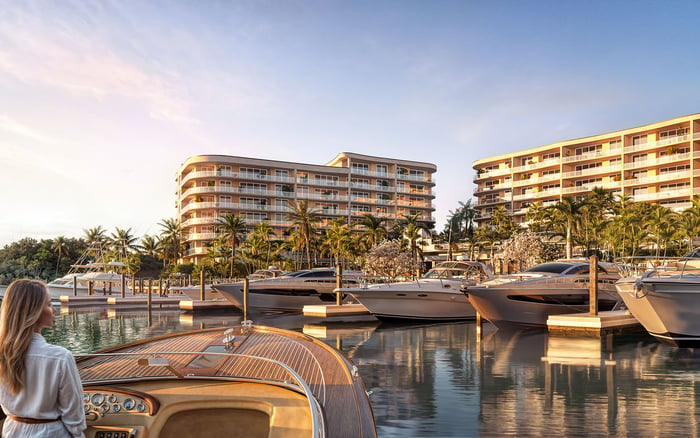
A discreet buyer’s guide to evaluating privacy in Palm Beach Gardens, from perimeter control and sightlines to club rhythms, association rules, service access, and resale discipline.
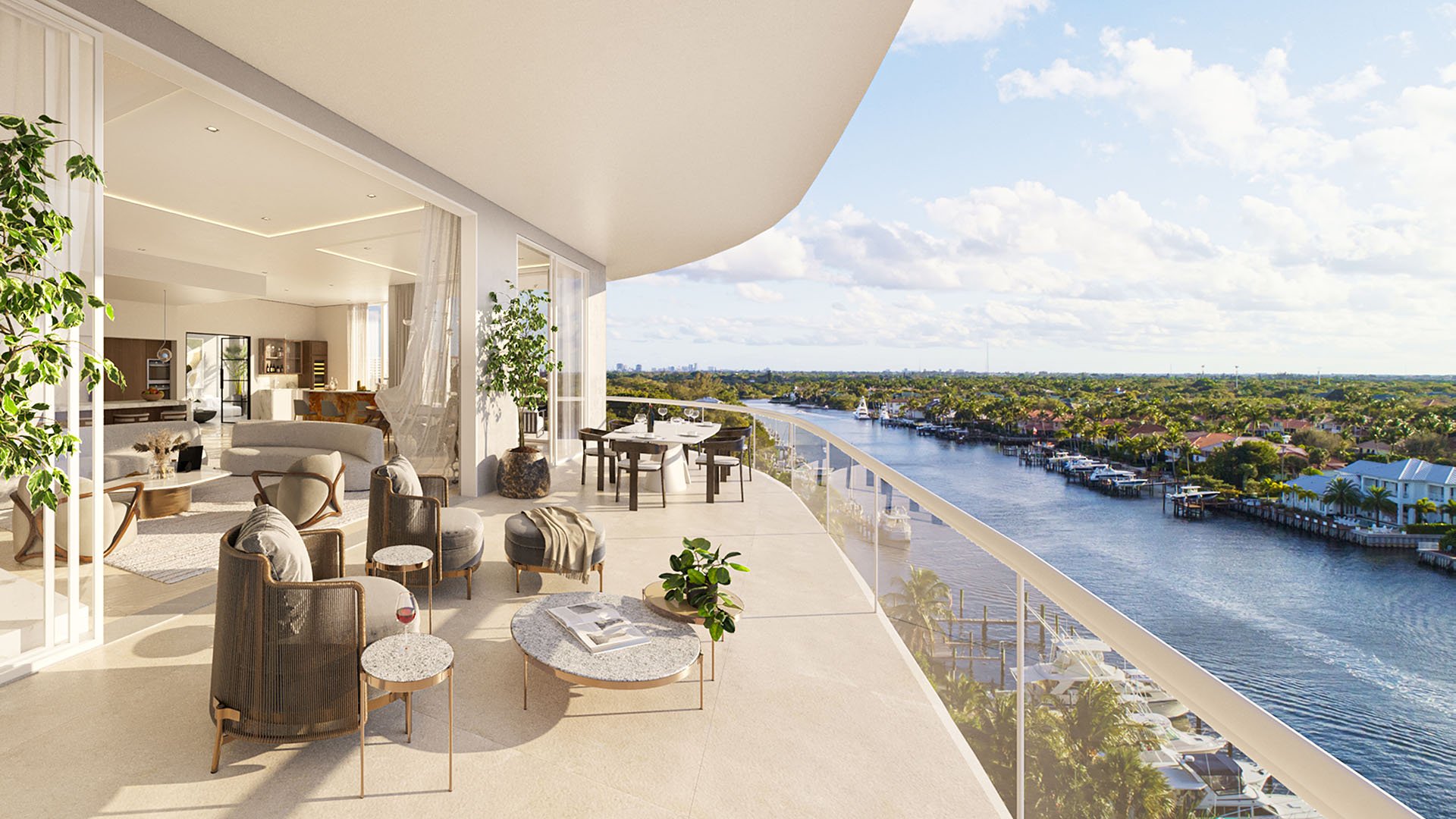
For a certain buyer, privacy is not a preference. It is the reason to move, the reason to pay a premium, and the feature that determines whether a residence will feel restorative after the closing dinner ends. In Palm Beach Gardens, the question is not simply whether a home sits behind gates or landscaping. The real question is whether the property, community, and daily operating rhythm protect your life from friction, visibility, and unwanted exposure.
A luxury residence can appear secluded during a midday tour and feel surprisingly porous at 7:30 a.m., when service vehicles, school traffic, dog walkers, construction crews, and club movements begin to reveal the true choreography of the neighborhood. Buyers seeking genuine discretion should pressure-test the property as if they already live there. Visit at different hours. Enter through the same gates your guests and staff would use. Stand in the primary suite with the lights on. Sit outside in silence. Watch how much of the home is visible from the street, a neighboring balcony, a golf corridor, or a water approach.
Palm Beach Gardens rewards buyers who separate atmosphere from evidence. Beauty is immediate. Privacy is proven over time.
A gate is only one layer. Gated-community living may create a sense of control, but it does not automatically resolve sightlines, guest management, vendor access, delivery congestion, short-term rental concerns, or the social density of a club-oriented environment. A serious buyer should ask how the community handles visitors, contractors, household staff, rideshare arrivals, event overflow, and emergency access.
The most private properties tend to combine controlled entry with intelligent placement: a residence set back from circulation, shielded by mature planting, buffered from shared amenities, and designed so the most important rooms do not perform for neighbors. For condominiums and branded residences, privacy often depends less on acreage and more on arrival sequence, elevator programming, corridor density, parking access, and the separation between residents, guests, and service teams.
That is why a project such as The Ritz-Carlton Residences® Palm Beach Gardens should be evaluated not only for finishes and brand identity, but also for how residents move through the property, how staff interfaces with owners, and how the building’s common areas preserve discretion during ordinary use.
Privacy begins at the curb, not the foyer. Before buying, trace every approach to the residence: resident entry, guest entry, staff entry, package delivery, valet, garage, marina access if relevant, and pedestrian paths. A home with a spectacular interior may still fail the privacy test if the arrival sequence forces owners into visible, shared, or congested spaces.
Ask where a guest waits if you are delayed. Ask where a driver idles. Ask whether deliveries reach the home without passing principal outdoor areas. Ask whether household staff can come and go without turning the main entrance into a stage. In single-family settings, the driveway, motor court, landscape wall, and service gate matter as much as the living room. In multifamily settings, the elevator, lobby sightline, garage path, and service corridor may matter even more.
The best properties make movement feel effortless and unobserved. That quality is difficult to retrofit.
Buyers often evaluate views outward, but privacy-conscious buyers must evaluate views inward. Walk the perimeter and look back at the house. If possible, view the property from adjacent roads, nearby common areas, pedestrian paths, club routes, water edges, and neighboring elevations. Then repeat the test at dusk, when illuminated interiors become more legible.
A private bedroom wing should not depend solely on window treatments. A pool terrace should not feel exposed to anyone passing by. Outdoor dining should feel protected from casual observation. If a home relies on landscaping, understand whether that landscape is mature, permanent, maintainable, and within your control. If the buffer belongs to an association, neighbor, club, or public edge, it may not be as reliable as it appears.
For buyers considering a broader Palm Beach lifestyle search, comparison becomes useful here. A residence in Palm Beach, a waterfront condominium, and a Palm Beach Gardens estate may all offer luxury, but each produces privacy in a different way. Palm Beach Residences can serve as a useful reference point for buyers weighing the feel of island adjacency against the more residential cadence they may be seeking farther north.
Sound is one of the most underestimated luxury variables. A residence can be visually discreet and still feel exposed if noise travels across water, fairways, streets, shared amenity decks, mechanical areas, or neighboring outdoor rooms. Privacy is partly acoustic.
Schedule at least one visit during the hour when you expect to be home most often. If mornings matter, go early. If evenings are sacred, visit after sunset. If weekends are the real test, do not rely only on a weekday showing. Stand outside without conversation and listen for traffic, maintenance, carts, dogs, music, voices, mechanical hum, and activity from shared facilities. Golf communities, marina settings, and club environments can be serene, but their rhythms are specific. The question is whether that rhythm supports your life.
Inside the residence, test the rooms where quiet matters most: primary bedroom, study, media room, wellness space, and outdoor lounge. In a luxury purchase, silence is not an accident. It is a design and location outcome.
Association documents, club rules, architectural guidelines, rental restrictions, pet policies, vendor protocols, landscape obligations, construction rules, and guest procedures can all affect privacy. They may protect it, dilute it, or complicate it.
A privacy-minded buyer should understand whether neighbors can add upper-level windows, change landscaping, host frequent events, lease homes, park visibly, install lighting, or alter exterior conditions in ways that affect the property. If the residence is part of a new-construction or branded environment, study the governance structure and operational standards before assuming the service promise is enough.
This is especially important for buyers comparing Palm Beach Gardens with West Palm Beach alternatives. A residence such as Alba West Palm Beach may appeal to buyers who want proximity to urban convenience, while The Ritz-Carlton Residences® West Palm Beach may frame privacy through a different service and access model. West Palm Beach and Palm Beach Gardens are not interchangeable privacy experiences. They should be toured with different questions.
In luxury communities, privacy is not only physical. It is social. Some buyers want a close-knit club atmosphere, where familiar faces are part of the value. Others want the option to disappear. Neither preference is wrong, but confusing one for the other can produce regret.
Before buying, consider how visible your daily life will be. Will your car be recognized? Will your guests be noticed? Will your children’s schedules, entertaining patterns, or travel absences become obvious? Does the residence allow you to participate socially on your terms, or does its location place you in constant contact with community circulation?
Golf adjacency can be a privilege, but it should be studied with care. Fairway frontage, cart paths, club proximity, and tournament or event patterns can affect how private a terrace or rear garden feels. The premium location is not always the most discreet one.
Privacy has resale value, but only when it is durable. A buyer should distinguish between privacy created by ownership control and privacy created by circumstances that may change. Dense planting can be removed. A neighboring parcel can be improved. A quiet road can become busier. A club amenity can be repositioned. A vacant buffer can become active.
The strongest privacy underwriting favors structural qualities: orientation, setback, elevation, controlled access, protected views, limited shared walls, intelligent outdoor placement, and rules that support residential calm. Buyers should also consider whether future purchasers will understand the privacy proposition quickly. The easier it is to explain, the more defensible it may be at resale.
A truly private Palm Beach Gardens residence should feel composed, not defensive. It should allow hospitality without exposure, staff support without spectacle, and outdoor living without self-consciousness.
Does a gated entrance guarantee privacy in Palm Beach Gardens? No. A gate helps control access, but sightlines, sound, service routes, rules, and community rhythm determine whether a residence truly lives privately.
When should I visit a property to test privacy? Visit during the hours you expect to use the home most, including mornings, evenings, and weekends if those periods matter to your routine.
What is the most overlooked privacy issue? Acoustic exposure is often missed. Listen for road noise, maintenance activity, neighboring outdoor spaces, carts, dogs, and mechanical systems.
Are golf views good or bad for privacy? They can be either. Fairway exposure, cart paths, club activity, and rear-yard sightlines should be studied before paying a premium.
How should I evaluate a marina-oriented residence? Study dock access, pedestrian movement, lighting, guest arrivals, and whether waterfront activity can be seen or heard from principal rooms.
Do association rules matter for privacy? Yes. Rules governing rentals, renovations, landscaping, lighting, pets, guests, and vendors can either preserve or weaken residential discretion.
Is Palm Beach Gardens more private than Palm Beach? Not automatically. Each property must be tested on its own merits, including access, density, exposure, and lifestyle rhythm.
Why compare West Palm Beach options when buying in Palm Beach Gardens? Nearby alternatives clarify what type of privacy you value, whether estate-like quiet, urban convenience, branded service, or waterfront access.
Should privacy affect my offer strategy? Yes. Durable privacy features can justify a premium, while correctable or uncertain privacy weaknesses should influence negotiation and contingencies.
What is the best way to shortlist comparable options for touring? Start with location fit, delivery status, and daily lifestyle priorities, then compare stacks and elevations to validate views and privacy.
When you're ready to tour or underwrite the options, connect with MILLION.
If branded residences are on your mind — as a home or as an allocation — we would be glad to share what we are seeing, privately.
Begin a quiet conversation