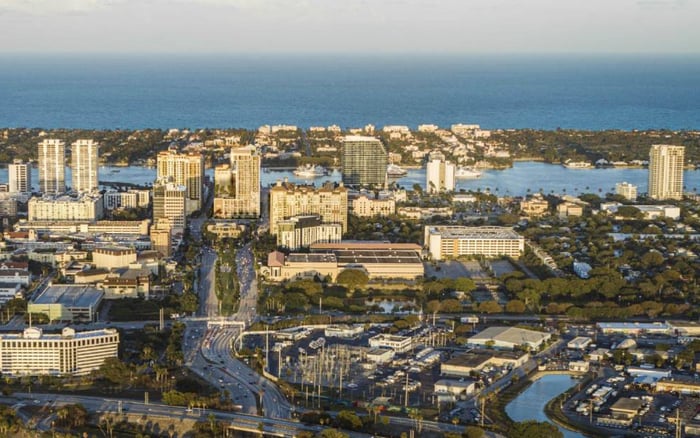
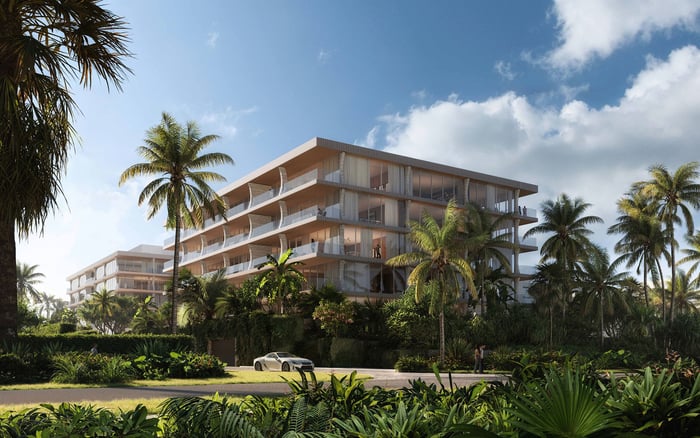
For collectors relocating to Miami and Palm Beach, the move is not just about square footage. It is about safeguarding the irreplaceable: fine art, cellar wine, and exotic vehicles. This MILLION Luxury guide breaks down the specialist ecosystem in South Florida and the decisions that protect value, provenance, and condition from pickup to final placement.
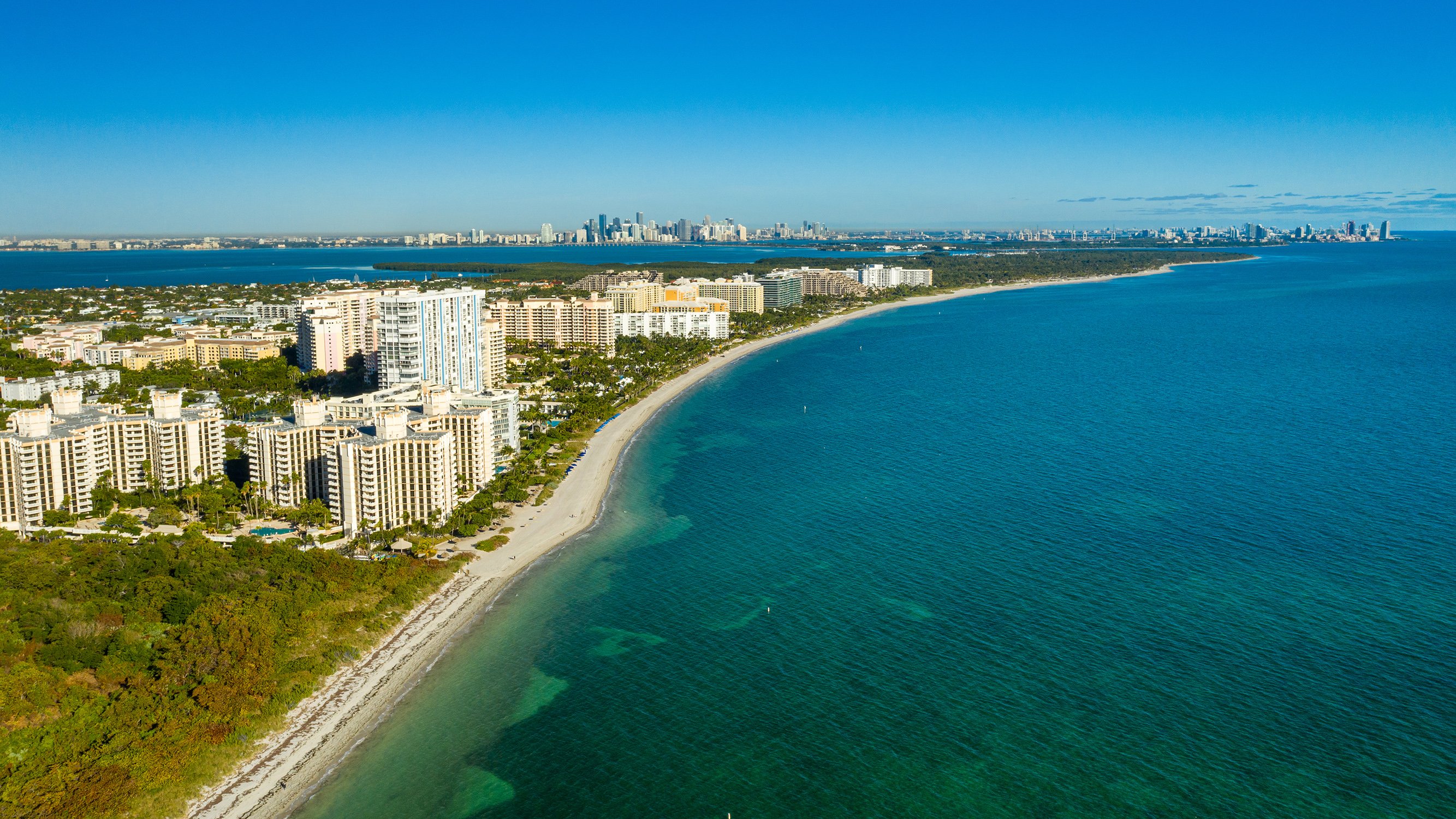
In South Florida, a “move-in” can look less like a household transfer and more like an institutional logistics plan. Sun, humidity, salt air, and seasonal storms raise the risk profile. Add multiple residences, rotating collections, and arrivals coordinated to the social calendar, and the margin for error narrows quickly. The difference between a seamless transition and a costly loss is rarely the truck. It is the planning, documentation, and selecting the right specialist for each category.
Even when a residence is turnkey, your art, wine, and vehicles are not. Each requires its own chain of custody, environmental controls, and insurance logic. That is especially true in new high-rise buildings where elevators, loading docks, and receiving windows are tightly managed. Many owners treat logistics as part of the interior architecture: sequence arrivals, stage in climate-controlled storage, then install with a disciplined paper trail.
The most discreet and effective risk management happens before pickup.
Start with a working inventory that is truly usable on move day: artist or producer, title or vintage, dimensions, framed size, medium, declared value, and destination room. Pair that list with clear condition documentation. Transit losses are not limited to visible breakage. Punctures, moisture intrusion, and theft can become expensive disputes when paperwork is thin.
For art, photograph front, back, frame corners, and any existing abrasions in consistent lighting. For vehicles, capture panels, wheels, splitter, windshield, and odometer. For wine, document bottle counts by case, any original wood (OWC) packaging, and current storage conditions.
Finally, define custody and handoffs. The best white-glove teams operate with museum discipline: each transfer is logged, each crate or case is labeled, and access is controlled.
South Florida has a mature ecosystem for fine art handling, particularly around Wynwood and the airport corridor. Collector priorities tend to fall into four areas: climate stability, physical protection (packing and crating), security, and installation capability.
For local moves and installation, Wynwood-based teams such as Frames & Stretchers operate dedicated white-glove art moving services for South Florida, as well as national and international shipping and installation. At the institutional scale, logistics specialists like Masterpiece International, founded in 1989, handle international fine art shipments and museum exhibition logistics, with the ability to scale from standard crated moves to chartering large air cargo freighters.
Storage is a separate decision. UOVO operates an 85,000-square-foot Miami art storage facility in Wynwood, purpose-built 18 feet above sea level for Category 5 hurricane resilience, and positioned near Miami International Airport. Crozier Fine Arts has a 58,000-square-foot South Florida facility in Davie offering climate-controlled storage, 24/7 security, electronic inventory tracking, and related services such as crating and transport.
Crating deserves sober budgeting. Illustrative market guidance often notes that a limited-use prebuilt crate for a small framed work might begin around $75, while a custom museum-quality crate can start around $500, and shipping can exceed the crate cost. In practice, the right crate is not about the lowest number. It is about matching the medium and route, especially for glazed works, fragile surfaces, projecting elements, and long-distance shipments.
If you are furnishing a new residence like Alba West Palm Beach, consider staging art locally and installing only after the punch list is complete and furniture placement is finalized. Fewer handling events is often the simplest risk reduction.
For high-value vehicles, enclosed carriers are typically the starting point, not the finish line. Low clearance, delicate finishes, and carbon fiber aero demand the correct loading geometry and tie-down method.
Reliable Carriers describes itself as North America’s largest enclosed auto transport company, operating since 1960 with a fleet of 400-plus enclosed trucks and satellite tracking. Many luxury shippers also recommend protections such as liftgates or appropriate ramps, plus soft straps or wheel nets to reduce the risk of wheel or suspension damage. Common protective features cited across exotic vehicle transport include hydraulic lift gates, soft tie-downs, enclosed carriers, air-ride suspension, and tarped decks to reduce leak-related damage.
Pricing varies widely by route, season, and service speed, but published estimates can help you sanity-check quotes. Industry calculators often cite typical ranges around $0.40 to $2.00 per mile, with an average cost around $650 for standard shipping, while longer premium routes can climb. One estimate places exotic-car shipping over roughly 1,000 miles around $1,100 to $1,350, depending on the transport company. For a California-to-Florida route of about 2,638 miles, a public estimate suggests roughly $1,175 to $1,575 and 4 to 9 days in transit, with distance as the largest cost factor.
Insurance should be clarified in writing. Car haulers are subject to higher federal insurance requirements than general freight, with public guidance noting $1,000,000 in required coverage for car haulers under FMCSA rules. For a significant collection, confirm how carrier limits apply per vehicle and per occurrence, and whether supplemental coverage is needed.
Wine is deceptively vulnerable in Florida. Heat spikes and humidity swings can quietly degrade condition even when bottles arrive unbroken.
Temperature consistency is widely emphasized as the single most important factor to avoid “cooking,” oxidation, or unintended changes in aging. Commonly cited storage targets include 50 to 55°F with 60 to 70 percent humidity, with humidity often recommended in the broader 60 to 80 percent range to protect corks and reduce spoilage risk.
On the transport side, specialty providers position themselves around Florida conditions. The Wine Mover offers Florida-focused white-glove wine relocation with door-to-door temperature-controlled transportation designed to protect wine from heat and humidity. UOVO Wine states its wine transit vehicles are temperature-controlled at 55°F, with shipments insured and secured against theft and breakage and handled by trained specialists.
Packing matters. Movers that handle wine often recommend specialty wine packing boxes, such as Styrofoam or corrugated cardboard designs, to prevent bottle shifting during transport.
If your new home is not yet ready for a built-out cellar, professional storage can preserve value while you design. Options in Florida include facilities that advertise redundant refrigeration and backup power. Imperial Wine Storage describes itself as Florida’s only full-service wine storage facility exclusively dedicated to wine, using redundant commercial refrigeration and a diesel backup generator. In West Palm Beach, Store Self Storage & Wine Storage publishes wine-vault pricing examples, from about $175 per month for a small vault up to 26 cases to about $592 per month for a large vault up to 100 cases, and advertises features such as a backup natural-gas generator and biometric access. For boutique footprints in Miami Beach, Trunk & Barrel lists pricing starting at $75 per month for 36 bottles, with larger lockers up to $500 per month.
For buyers designing a full-service primary in Forté on Flagler West Palm Beach, align cellar planning with move timing. Temporary professional storage can be a strategic bridge until millwork, cooling systems, and monitoring are fully commissioned.
In luxury moves, most failures are scope failures. “White-glove” should translate into specific deliverables, not a vague promise.
For art:
For vehicles:
For wine:
Published rate cards can also serve as a benchmark. Arrow Fine Art Services publishes hourly rates, such as $120 per hour for one handler with a four-hour minimum, and $275 per hour for two handlers with a truck, plus published storage pricing at $5.50 per square foot per month with a $175 monthly minimum. Arrow also states it offers $2 million fine art insurance per occurrence and optional transit insurance priced at $1 per $100 of item value in the shipment. Whether you use that provider or not, the structure is instructive: confirm minimums, team size, insurance framework, and how storage is calculated.
South Florida’s peak season compresses calendars. Around Art-basel, logistics capacity tightens, luxury buildings narrow receiving windows, and installation schedules become competitive. Similar pressure shows up around major holidays and winter occupancy.
If you are closing on a new residence like Mr. C Residences West Palm Beach, treat the move as a phased arrival. One effective pattern is:
This approach also helps you control the insurance story: fewer uncontrolled hours at a loading dock, fewer rushed decisions, and fewer last-minute substitutions.
A common collector mistake is assuming that “insured” automatically means “made whole.” Verify which policy responds, when it responds, and what documentation is required.
For art and collectibles, specialty transit insurance is often discussed as protection against in-transit accidental damage and theft exposures that may not be addressed by standard mover coverage. For cars, clarify whether coverage is per vehicle, per occurrence, and what exclusions apply. For wine, ask how temperature excursions are handled and documented.
Then align storage and property decisions with resilience. If your art will be staged in Wynwood, understand the facility’s build and elevation profile. If your wine will be stored in West Palm Beach, confirm backup power and monitoring. If your vehicle arrives during a storm week, ensure the carrier can hold in a secure environment rather than forcing delivery.
For those planning a long-term Palm Beach County base such as The Ritz-Carlton Residences® West Palm Beach, the goal is not only a flawless delivery. It is a repeatable system you can rely on season after season: rotating art, shipping wine to match entertaining calendars, and moving vehicles in and out without friction.
Should I move art with a general household mover?
For museum-quality works, collectors typically use dedicated fine art handlers who can crate properly, document condition, and install.
What is the single biggest risk factor for wine in Florida?
Temperature inconsistency. Heat spikes can damage wine even when bottles appear fine.
What storage conditions are commonly targeted for wine?
Many facilities and experts target about 50 to 55°F and roughly 60 to 70 percent humidity.
Is enclosed auto transport always necessary for exotic cars?
For high-end marques and delicate finishes, enclosed shipping is widely recommended to reduce exposure to road debris and weather.
What loading features matter for low-clearance vehicles?
Liftgates or appropriate ramps, plus air-ride suspension and careful tie-down methods.
How should I document condition for an art shipment?
Photograph fronts and backs, corners, and any existing wear, and keep a dated inventory that matches labels.
What should I ask an art shipper about insurance?
Ask limits per occurrence, whether transit coverage is optional, and what documentation is required for claims.
Can I stage my collection locally before installing?
Yes. Many collectors use climate-controlled storage to sequence installation and reduce handling events.
Are published handling rates useful when reviewing proposals?
They can be a helpful benchmark for minimums, team size, and what is included, even if your project pricing differs.
How far in advance should I book specialty logistics in peak season?
Earlier is better, especially around major events like Art-basel and winter peak occupancy.
For a discreet introduction to South Florida residences and the logistics that come with them, connect with MILLION Luxury.
If branded residences are on your mind — as a home or as an allocation — we would be glad to share what we are seeing, privately.
Begin a quiet conversation