A practical guide to reading valet queuing as a subtle but meaningful resale signal in South Florida luxury buildings, from arrival design to buyer perception.
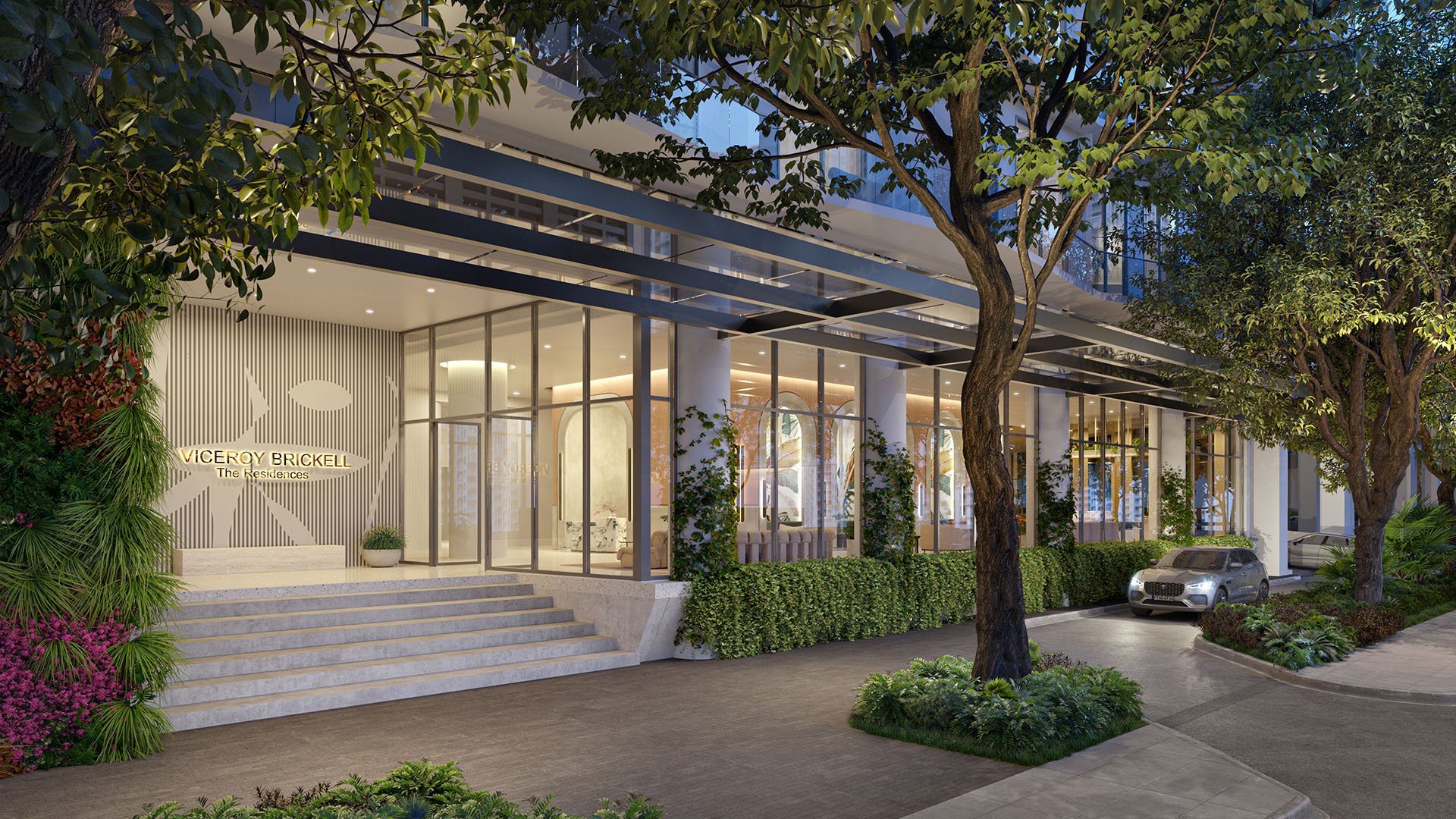
In South Florida luxury real estate, the first impression rarely begins at the front door. It begins at the curb, beneath the canopy, in the brief exchange between driver, valet, concierge and guest. For a resale buyer, valet queuing can read as either effortless choreography or operational strain. The distinction is subtle, but it can shape how a residence feels before anyone sees the view, the finishes or the floor plan.
Valet service is not automatically a resale advantage. A crowded porte cochère, uncertain handoffs or a line of waiting cars can suggest that the building’s daily rhythm has outgrown its arrival capacity. Yet a well-managed queue can signal the opposite: staffing discipline, thoughtful circulation, privacy control and a resident culture that moves elegantly through a dense urban or waterfront setting.
The question is not simply whether a building has valet. The sharper question is whether the queuing experience makes the property feel more desirable, more livable and easier to own.
Valet queuing becomes a resale advantage when it communicates order. A buyer should understand, almost instantly, where to pull in, who receives the vehicle, how guests are handled and whether the lobby remains calm even when the drive court is active.
This matters because affluent buyers often value predictability as much as amenity. A residence may serve as a primary home, a seasonal base, a pied-à-terre or a family retreat. In each case, arrivals become recurring moments of judgment. The school run, the dinner reservation, the airport transfer and the guest visit all pass through the same physical threshold.
In a strong building, the queue does not feel like waiting. It feels like a managed transition from public city to private residence. Cars may pause, but the experience remains composed. Staff know residents, loading zones do not conflict with guest arrivals and the curb does not become a social bottleneck.
For resale, that composure can be meaningful. Buyers are not only purchasing square footage. They are purchasing confidence that daily life will not be compromised by congestion at the front of the building.
Valet queuing is especially visible in high-density luxury districts. In Brickell, the arrival experience can be tested by urban intensity, restaurant traffic, office adjacency and event-driven traffic patterns. A buyer considering Brickell may be highly tolerant of city energy, but less tolerant of confusion at the residential entrance. If the building absorbs that energy with precision, the queue can become a quiet proof point.
In Miami Beach, the issue often feels more lifestyle-driven. Dinner hours, beach departures, weekend guests and social arrivals can converge at the same time. A graceful valet operation reinforces the idea of resort-caliber ease. A poor one can make even a beautiful building feel less private.
In Sunny Isles, where many buyers evaluate towers for waterfront living, valet queuing is part of a broader service expectation. An oceanfront residence may offer dramatic views and an expansive amenity program, but the arrival sequence still matters because it frames the daily relationship between resident and building.
New-construction buyers also pay attention, even before a building has an established resale history. Renderings can show an elegant motor court, but future value depends on how that space actually performs. In resale, buyers can observe the real choreography and decide whether the promise has become habit.
A serious buyer should arrive with curiosity, not impatience. The goal is not to punish a building for activity. Active buildings are often desirable. The goal is to see whether that activity is managed.
The first observation is geometry. Does the arrival court allow a car to pause without blocking the street or the next vehicle? Is there a clear distinction between resident drop-off, guest arrival, delivery and service activity? Does the entrance feel intuitive, or does it require instruction from the street?
The second observation is staffing. A polished valet team does not need to appear theatrical. The best service is often quiet, direct and anticipatory. Buyers should notice whether staff communicate with one another, whether the concierge remains composed and whether residents seem known rather than processed.
The third observation is timing. A short queue during a busy moment is not necessarily negative. A confused queue during an ordinary moment is more concerning. If the line feels disorganized, if cars reverse awkwardly or if guests hesitate because they do not know who is in charge, the building may be revealing an operational weakness.
The fourth observation is privacy. In the ultra-premium segment, privacy is not only about elevator access or security protocol. It is also about exposure. A well-designed valet sequence reduces the amount of time a resident spends in public view, especially during evening arrivals or guest-heavy periods.
For sellers, valet queuing can be positioned as part of the residence’s lived experience, but only if it is genuinely strong. This is not a feature to oversell. It should be shown through timing and presentation.
A seller may benefit from scheduling private showings during moments when the building’s arrival sequence is active but controlled. A silent lobby at an empty hour proves little. A composed arrival during a naturally busy period can say far more. It allows the buyer to feel that the building performs under ordinary pressure.
Sellers should also ensure that access instructions are clean. Confusion before a showing can color the entire visit. If a buyer circles the block, waits without acknowledgment or sees a congested entrance, the residence begins at a disadvantage. Conversely, when the handoff is seamless, the property inherits that polish.
For high-end resale, every detail contributes to confidence. A buyer may not itemize valet flow in an offer discussion, but it can influence the emotional comfort behind the offer.
Not every queue is an asset. It becomes a warning when it suggests a mismatch between building demand and operational capacity. Repeated backups, unclear staging, blocked entrances or stressed staff can make a buyer wonder whether the building is under-managed.
The issue can be more serious when the queue interferes with safety, privacy or basic convenience. If residents appear frustrated, if guests are left to interpret the system themselves, or if loading and valet activity compete for the same space, the buyer may perceive the building as less refined than its price point suggests.
A queue can also expose cultural fit. Some buyers enjoy the energy of a busy, social building. Others want near-invisible service. The same arrival scene may appeal to one buyer and repel another. This is why the best interpretation is contextual. Valet flow should be judged against the building type, location, buyer profile and intended use.
The most valuable valet systems do more than park cars. They create trust. They assure residents that arrivals will be handled, guests will be received and daily transitions will be protected from unnecessary friction.
In South Florida, where luxury buyers compare waterfront calm, urban access and resort-style service across multiple submarkets, that trust has resale value. It is not always visible in listing language, and it may not appear in a room-by-room tour. Yet it shapes the buyer’s memory of the property.
A residence that begins with calm has an advantage. When the valet queue is organized, discreet and proportionate to the building’s lifestyle, it can become one of the quietest forms of luxury, and one of the most persuasive.
Is valet queuing always good for resale? No. It helps resale only when the queue feels organized, discreet and appropriate for the building’s daily rhythm.
What should a buyer observe first at the valet entrance? Watch whether the arrival path is intuitive and whether cars can pause without creating visible confusion.
Does a short wait automatically signal a problem? Not necessarily. A brief, well-managed pause can feel acceptable, while a disorganized queue can undermine confidence.
Why does valet matter in Brickell? Brickell buyers often accept urban energy, but they still expect the residential entrance to feel controlled and private.
Why does valet matter in Miami Beach? In Miami Beach, social traffic and leisure patterns can make the arrival sequence a key part of daily comfort.
Why does valet matter in Sunny Isles? Sunny Isles buyers often weigh service quality alongside waterfront lifestyle, making arrival flow especially visible.
Can valet flow affect an offer? It may not appear as a line item, but it can influence the buyer’s confidence and emotional comfort with the property.
Should sellers mention valet queuing in marketing? Only if the experience is genuinely polished. It is often better demonstrated during a showing than overstated in copy.
What is the main warning sign? The clearest warning is repeated confusion: blocked entries, unclear handoffs, stressed staff or residents visibly waiting.
What is the best way to shortlist comparable options for touring? Start with location fit, delivery status, and daily lifestyle priorities, then compare stacks and elevations to validate views and privacy.
For a confidential assessment and a building-by-building shortlist, connect with MILLION.
If branded residences are on your mind — as a home or as an allocation — we would be glad to share what we are seeing, privately.
Begin a quiet conversation