A discreet due-diligence guide for buyers touring The Ritz-Carlton Residences® West Palm Beach, focused on privacy questions around access, services, technology, amenities, views, acoustics, and documents.
For buyers considering The Ritz-Carlton Residences® West Palm Beach, privacy should be understood as more than the feeling created by polished stone, quiet lighting, and a gracious welcome. It is an operating system. Before a model residence tour, the most useful questions are not simply about finishes or views, but about how architecture, access control, staff protocols, technology, amenities, and neighborhood exposure work together after move-in.
That distinction matters in West Palm Beach, where luxury buyers may be weighing branded service, waterfront living, cultural proximity, and new urban energy in a single decision. Privacy is not the absence of people. In a full-service building, people are part of the value proposition. The question is whether their movement, knowledge, access, and discretion are governed with enough precision for the way you live.
This is especially relevant across Branded Residences, where the promise of service can be as important as the residence itself. The right tour strategy is discreet but direct: ask how privacy is designed, documented, staffed, enforced, and protected over time.
Start with a simple question: who can access the residential floor you are considering? The answer should account for residents, other residents, staff, service providers, guests, vendors, and emergency personnel. A model residence may present the private experience beautifully, but daily reality is shaped by who can enter the corridors, elevator banks, parking areas, and service paths that support that residence.
Ask whether the elevators are private, semi-private, key-controlled, or shared with residents, staff, visitors, and service providers. If access is key-controlled, ask where that control begins. Does it start at the garage, the lobby, the elevator, the floor, or the residence entry? If access is shared, ask how it is monitored and what prevents a visitor from moving beyond the intended destination.
Visitor arrivals deserve the same scrutiny. A polished arrival sequence may feel effortless during a tour, but buyers should ask about valet procedures, lobby screening, guest registration, elevator access, and escort policies. If a guest is expected, who approves the arrival? If a guest is unexpected, what happens before the resident is contacted? These details determine whether hospitality enhances privacy or quietly weakens it.
Buyers comparing West Palm Beach options such as Alba West Palm Beach or Mr. C Residences West Palm Beach can apply the same access questions across tours, then compare the answers in writing rather than relying on atmosphere.
In a luxury residence, privacy is often tested through service. Housekeeping, in-residence dining, maintenance, package delivery, wellness appointments, and other services can all improve daily life. They can also create a detailed map of a resident’s habits unless access is controlled carefully.
Ask whether staff are trained under written confidentiality rules. The standard to look for is not a vague culture of discretion, but a clear restriction on disclosing resident names, routines, guests, deliveries, travel patterns, and preferences. For a high-profile buyer, the issue may be obvious. For a family that simply values quiet, it is just as important.
Then ask whether service teams can enter a residence only with owner authorization. The key word is only. Does maintenance require approval except in emergencies? Are delivery procedures different for packages, food, flowers, or personal items? Can wellness services enter without the owner present? Who records the entry, and who can review that record?
Also ask how the building separates resident circulation from staff and service circulation. Back-of-house corridors, loading areas, service elevators, and delivery routes can preserve the serenity of a residence when they are planned and managed carefully. During the tour, do not stop at what you see. Ask what happens behind the visible spaces.
Amenities can be the heart of a building, but they can also become the most public part of private ownership. Before touring the model residence, ask whether amenities are resident-only or shared with outside guests, club members, renters, hotel users, or invitees. The answer shapes the texture of daily life more than a brochure can.
If guests are permitted, ask how many, how often, and under whose responsibility. If outside users are permitted, ask which spaces they may access and whether their movement intersects with residential elevators, hallways, parking, or pools. If renters are permitted, ask whether any rental program, short-term leasing policy, or investor ownership pattern could increase transient traffic.
For New-construction buyers, this is a particularly important conversation because the building culture is still forming. Ask how the rules will be enforced once the residence is occupied, not only how they are described before purchase. In the strongest privacy environments, amenity access is not improvised. It is governed by house rules, guest policies, and operational procedures.
The best question is often the one that turns a beautiful amenity into a documented ownership condition.
Luxury buildings increasingly rely on digital systems, and those systems can reveal patterns. Ask how security cameras, smart-home systems, access-control logs, license-plate readers, and building apps collect, store, and share resident data. The goal is not to avoid technology, but to understand its governance.
Ask who can view footage or logs, how long data is retained, whether third-party vendors have access, and how resident information is protected. If an app manages guests, packages, service requests, or amenity reservations, ask what information it stores and whether a resident can limit notifications, visibility, or data sharing.
Technology can reinforce privacy when it controls access precisely. It can undermine privacy when it creates an unnecessary record of routines. A buyer should be as interested in the data policy as in the smart-home interface.
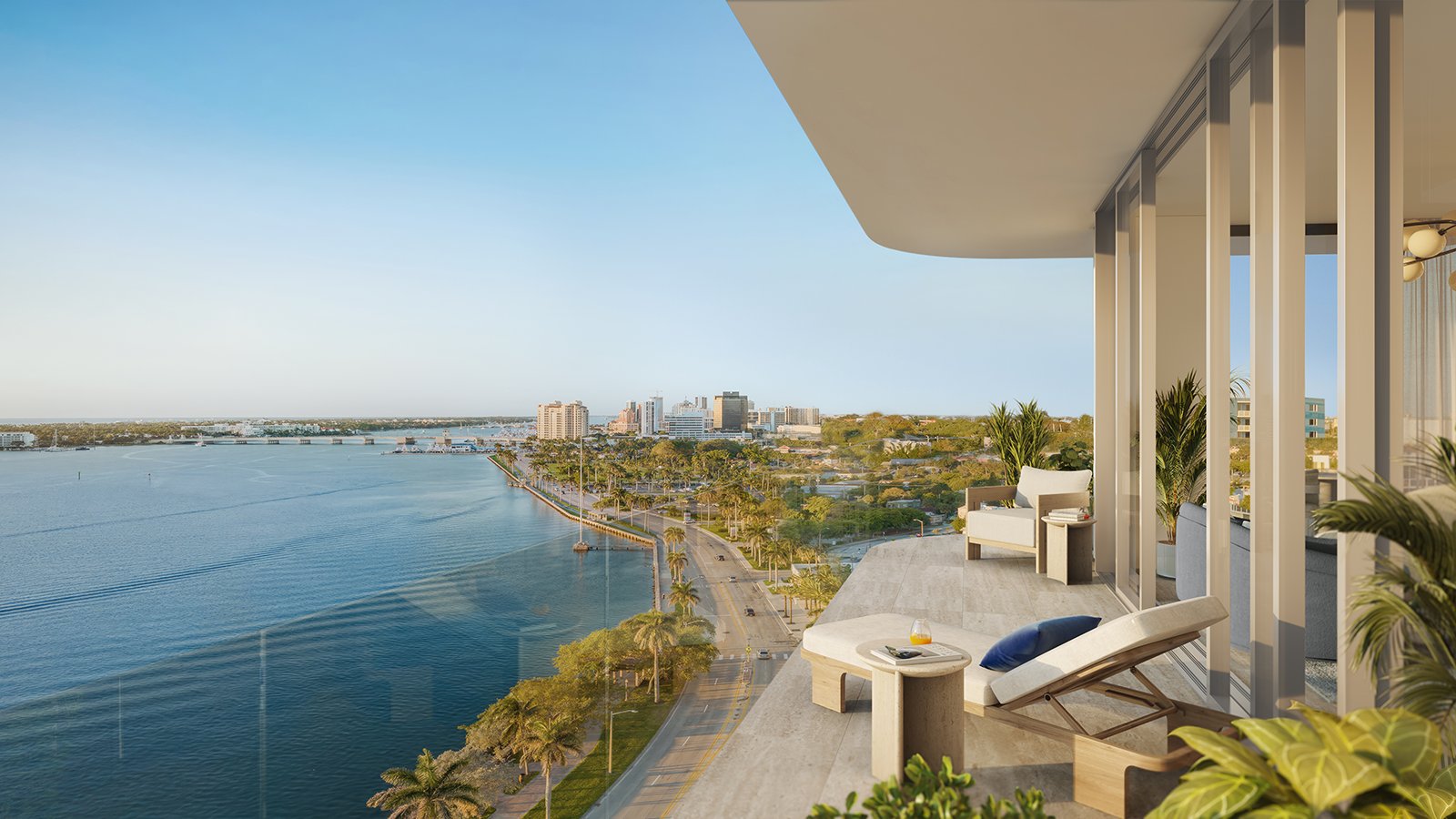
A model residence is persuasive because it gives scale to imagination. Still, buyers should ask whether its views and exposure accurately reflect the specific line, floor, orientation, balcony visibility, and neighboring sightlines of the residence being considered. Balcony privacy is not abstract. It changes with height, angle, adjacent buildings, terrace depth, glass placement, and outdoor amenity locations.
Ask whether terraces, glass walls, outdoor amenity decks, and pool areas are shielded from neighboring buildings, streets, public walkways, or other residences. A residence can feel entirely private from the interior and far more exposed from the terrace. Walk to the glass. Stand where dining, lounging, and morning routines would actually occur. Then ask who can see that position now and who may be able to see it later.
Future nearby development deserves a direct question. New towers or public spaces can affect sightlines, balcony privacy, traffic, and noise after purchase. In a growing urban market, privacy is partly a present condition and partly a forward-looking risk assessment.
Acoustics are another form of discretion. Ask what measures are used between residences, corridors, amenity areas, mechanical spaces, and outdoor terraces. Sound transfer can make a large residence feel smaller, and it can make a private home feel involuntarily social.
Buyers considering nearby or broader Palm Beach County alternatives, including The Ritz-Carlton Residences® Palm Beach Gardens, should keep the same sightline and acoustic discipline. Privacy is not only a downtown question. It is a residence-by-residence question.
Before relying on verbal assurances, ask for the condominium documents, house rules, privacy policies, security policies, leasing rules, guest policies, and service-access procedures. These are not formalities. They are where an elegant promise becomes a practical standard.
Read for the difference between discretion as an intention and privacy as an enforceable system. Who can change the guest policy? What leasing rules apply? How are violations handled? Who supervises staff access? What records are kept? What rights does an owner have if a privacy expectation is breached?
The ideal model residence tour should end with clarity. Not suspicion, not friction, but clarity. A serious buyer can admire the finishes, enjoy the atmosphere, and still ask exacting questions. In the ultra-premium market, that is not difficult behavior. It is disciplined ownership.
What should I ask first about privacy before touring the model residence? Ask who can access the residential floor, including residents, staff, guests, vendors, service providers, and emergency personnel.
Are private elevators the only privacy issue that matters? No. Elevator control matters, but privacy also depends on lobby screening, guest procedures, service routes, data policies, and amenity access.
Should I ask whether elevators are private or shared? Yes. Ask whether elevators are private, semi-private, key-controlled, or shared with residents, staff, visitors, and service providers.
How should visitor arrivals be handled in a privacy-focused building? Ask about valet, lobby screening, guest registration, elevator permissions, and whether guests are escorted or limited to approved areas.
Why do staff confidentiality rules matter? Staff may observe names, routines, guests, deliveries, and travel patterns, so written confidentiality rules are central to discretion.
Can service teams enter the residence without permission? Ask whether housekeeping, dining, maintenance, package delivery, and wellness services require owner authorization except for defined emergencies.
Do amenities affect privacy? Yes. Ask whether amenities are resident-only or shared with outside guests, club members, renters, hotel users, or invitees.
Should I ask about rentals or short-term leasing? Yes. Leasing policies can affect transient traffic in elevators, hallways, parking, and amenity areas.
How does technology affect resident privacy? Ask how cameras, access logs, license-plate readers, smart-home systems, and building apps collect, store, and share resident data.
Why compare the model residence to the exact unit I may buy? The exact line, floor, orientation, terrace exposure, and future neighboring development can materially change privacy.
If you'd like a private walkthrough and a curated shortlist, connect with MILLION.
If branded residences are on your mind — as a home or as an allocation — we would be glad to share what we are seeing, privately.
Begin a quiet conversation