A buyer-focused editorial on how building culture influences the way South Florida luxury residences perform for private dining, entertaining, and quiet daily life.
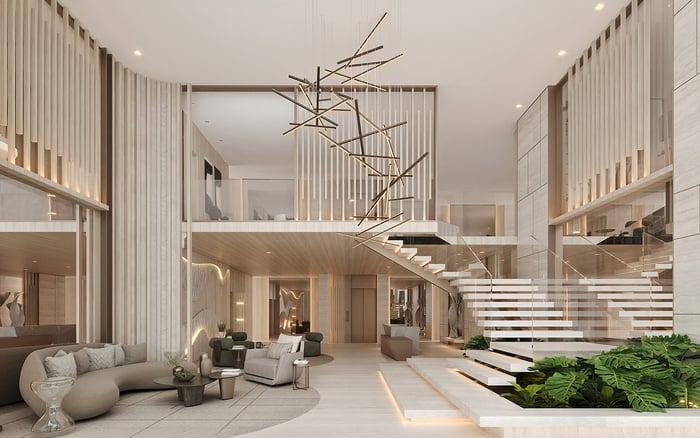
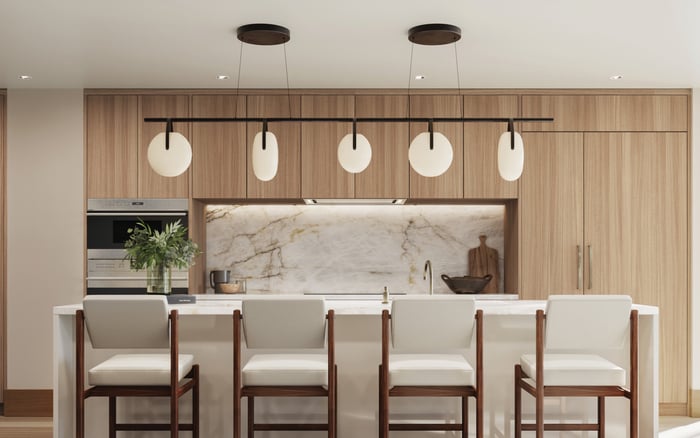
In South Florida’s high-end condominium market, buyers often begin with what is visible: the view, the terrace, the kitchen finish, the arrival sequence. Yet the more revealing question is quieter. What kind of culture does the building create once residents are inside?
That culture determines whether a dinner feels intimate or performative, whether guests move naturally from cocktails to dining to terrace conversation, and whether a primary suite stays calm while the social rooms are alive. For buyers comparing The Well Bay Harbor Islands with EDITION Edgewater, the distinction is not simply neighborhood or brand identity. It is daily rhythm.
The Well Bay Harbor Islands and EDITION Edgewater speak to different expectations around privacy, hospitality, and retreat. One buyer may prize a residential atmosphere that feels slower and more composed. Another may want a more urban waterfront cadence, where entertaining carries a sharper metropolitan edge. Both can be luxurious. The difference lies in how the building teaches residents to live.
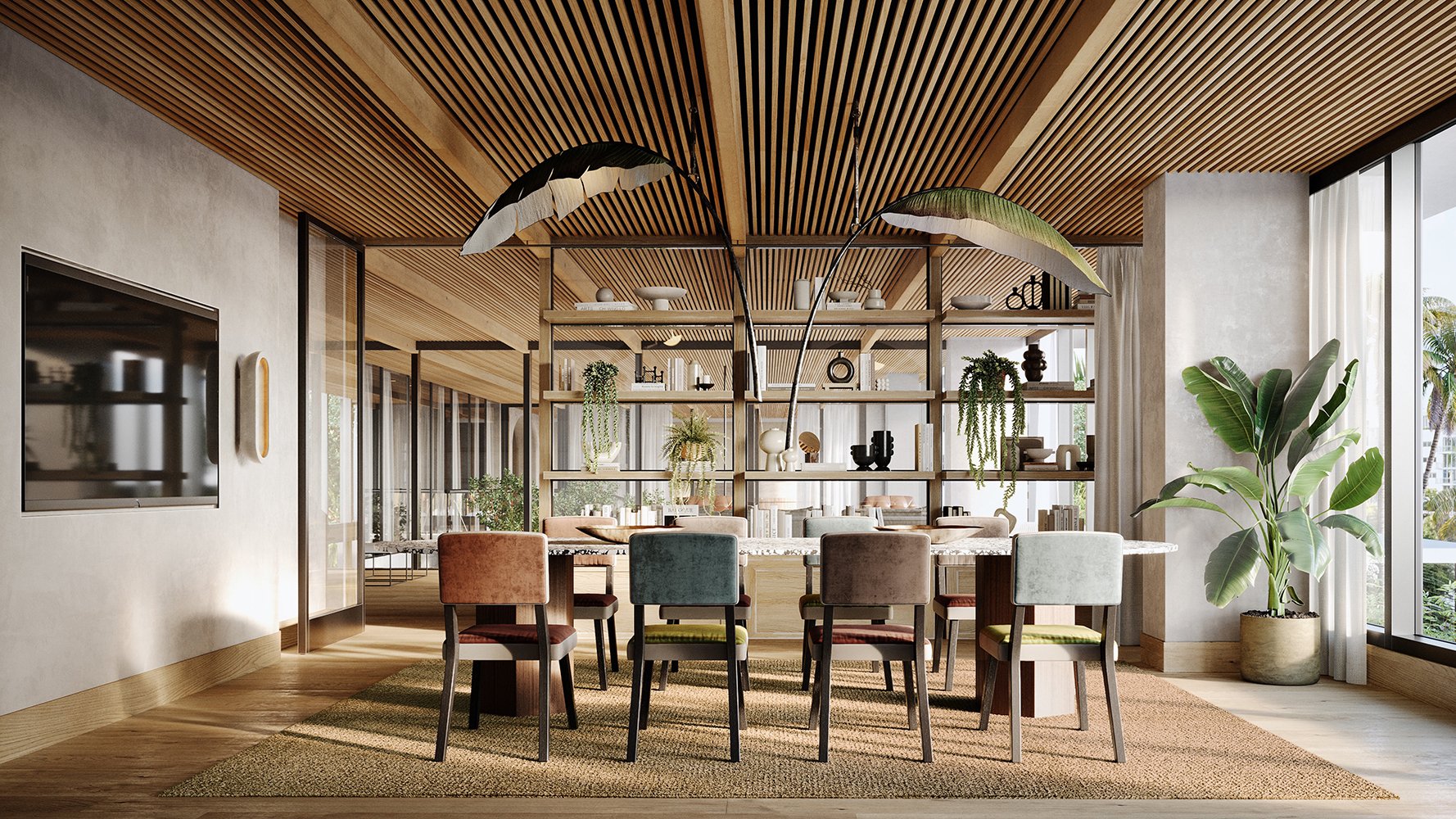
Private dining is often treated as an amenity category, but discerning buyers should read it as a test of planning intelligence. The best private dining environments are not only beautiful. They allow a host to move through an evening without friction.
A strong residence or building program considers where guests arrive, where they gather before sitting, how service circulates, and whether the transition from dining to lounge to exterior space feels intuitive. A formal dinner should not require guests to pass through private bedroom corridors. A family meal should not feel exposed to elevator traffic. A chef-prepared evening should have a place for preparation, pause, and presentation.
This is where building culture becomes tangible. A wellness-centered environment tends to favor quieter gatherings, softer pacing, and clearer separation between social and restorative zones. A hospitality-inflected urban residence may encourage more visible entertaining, with energy drawn from the lobby sequence, views, and a broader social atmosphere.
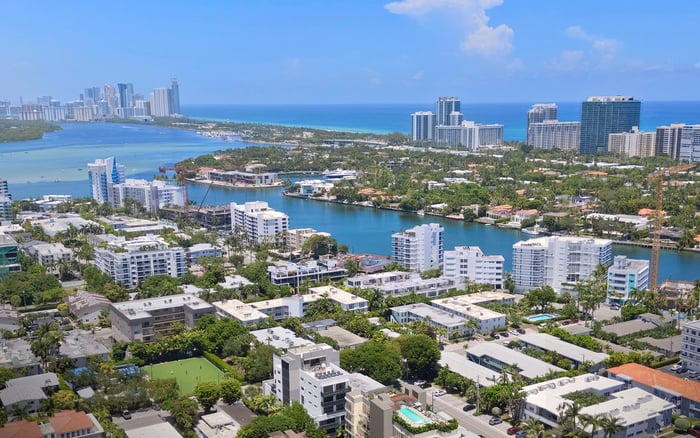
In the Bay Harbor context, buyers often weigh scale, neighborhood quiet, and the feeling of returning home. Around Edgewater, the conversation frequently becomes more vertical and urban, with water, skyline, and arrival drama shaping the mood of the evening.
The appeal of The Well Bay Harbor Islands is best understood through restraint. Rather than asking how large a gathering can become, the sharper question is how composed the residence feels when hosting is layered into ordinary life.
For a buyer drawn to privacy, the ideal entertaining flow begins before the dining table. It begins with an arrival sequence that does not feel hectic, a living area that can absorb conversation, and a kitchen or dining zone that supports both casual and formal use. The most successful plans allow the host to remain present. They avoid forcing the evening into a single room or a single posture.
This is also where acoustic separation becomes part of the luxury story. In a wellness-oriented residence, sound should be managed with the same seriousness as light and air. The clink of glassware, music at dinner, a late conversation on the terrace, or morning routines in another room all affect how private the home feels.
The Well Bay Harbor Islands sits within a buyer conversation that includes other Bay Harbor projects, including Onda Bay Harbor and La Maré Bay Harbor Islands. The comparison is not about declaring one format superior. It is about identifying the lifestyle each building makes easier.
EDITION Edgewater belongs to a different residential imagination. Edgewater carries a more urban waterfront identity, and buyers evaluating the building will naturally consider how private life and social life coexist in a denser, more kinetic setting.
For entertaining, that can be compelling. A dinner in this context is not only about the table. It is about the mood of arrival, the city beyond the glass, and the way guests experience the residence as part of a larger Miami evening. The right plan should allow a host to build momentum: arrival, aperitif, dining, after-dinner seating, and perhaps a final conversation facing the view.
But urban energy raises the standard for acoustic discipline. In a residence intended for serious entertaining, sound should not bleed casually into sleeping areas, work spaces, or neighboring rooms. Buyers should pay attention to door placement, bedroom separation, ceiling conditions, and whether entertaining zones have enough depth to feel active without overwhelming the rest of the home.
The Edgewater market gives buyers several points of reference. Projects such as Aria Reserve Miami and Villa Miami also invite questions about how waterfront living, hospitality, and privacy intersect. For the right buyer, EDITION Edgewater may express a more polished social tempo, one aligned with evenings in the city rather than withdrawal from it.
Acoustic separation is no longer a background technical issue. In the ultra-premium segment, it is a core measure of comfort. A residence can be visually spectacular and still fail if sound moves through it carelessly.
Buyers should listen for three relationships. First, the relationship between the entertaining zone and the bedroom wing. Second, the relationship between kitchen activity and dining atmosphere. Third, the relationship between building common areas and private interiors. Each tells a different story about how seriously the building respects domestic life.
In practical terms, acoustic quality affects more than parties. It shapes sleep, work calls, children’s routines, staff circulation, wellness rituals, and the ability for two people to live differently at the same hour. One person may be hosting dinner while another is reading, exercising, or resting. In a truly refined residence, those activities should not compete.
This is especially important for new-construction buyers who may be evaluating renderings, model residences, or early floor plans. The question is not only what looks impressive. It is what will remain serene after the first season of ownership.
A serious buyer should study a residence as if an evening is already underway. Where do guests place a bag or jacket? Where does the first drink happen? Does the dining area feel ceremonial, casual, or flexible? Can service move discreetly? Is there a natural path to the terrace without crossing private zones?
The best entertaining residences offer choices. They allow a quiet breakfast, a family dinner, and a catered evening without forcing the same choreography every time. They also protect the owner from overexposure. Luxury is not simply the ability to host. It is the ability to end the evening and return instantly to privacy.
Boutique buildings can be particularly appealing when their scale supports discretion, but boutique scale alone is not a guarantee. A smaller building still needs intelligent circulation, acoustic planning, and social spaces that feel proportionate to how residents actually live.
For The Well Bay Harbor Islands, the buyer’s lens may center on calm, wellness, and measured sociability. For EDITION Edgewater, it may center on energy, view-driven entertaining, and a more urbane hospitality language. The right answer depends on whether the owner wants the building to soften the pace of life or amplify the city around it.
Before comparing finishes, ask how the building will behave on a Thursday night, a holiday dinner, and a quiet Sunday morning. Ask whether the residence supports both intimacy and performance. Ask whether the plan allows hosting without sacrificing sleep, privacy, or emotional calm.
The most sophisticated South Florida buyers are no longer choosing only between addresses. They are choosing between cultures of living. The Well Bay Harbor Islands and EDITION Edgewater illustrate that distinction clearly: one points toward composed retreat, the other toward urban social polish. Both deserve to be evaluated not only by what they show, but by how they sound, circulate, and settle into daily life.
Why does building culture matter in a luxury residence? It shapes how residents use private spaces, social areas, dining rooms, terraces, and amenities in everyday life.
How should buyers evaluate private dining? Look beyond aesthetics and study arrival, service circulation, seating flexibility, privacy, and the transition to lounge or terrace areas.
What makes entertaining flow successful? A strong flow lets guests move naturally through the home while keeping private bedroom and family zones protected.
Why is acoustic separation important? It allows hosting, work, rest, and wellness routines to happen at the same time without unnecessary disruption.
Is The Well Bay Harbor Islands better for quieter living? Buyers drawn to a more composed and wellness-oriented residential rhythm may find that lens especially relevant.
Is EDITION Edgewater better for urban entertaining? Buyers seeking a more metropolitan waterfront atmosphere may prefer the social tempo associated with Edgewater living.
What should I ask when touring a model residence? Ask how sound travels, where guests circulate, how service is handled, and how private rooms are separated from entertaining spaces.
Do smaller buildings always feel more private? Not automatically. Privacy depends on planning, circulation, acoustics, resident culture, and the proportion of shared spaces.
Can a residence be both social and serene? Yes, if the floor plan separates active and quiet zones while still allowing entertaining areas to feel connected and gracious.
What is the main buyer takeaway? Choose the building whose culture matches how you actually dine, host, rest, and move through daily life.
If you'd like a private walkthrough and a curated shortlist, connect with MILLION.
If branded residences are on your mind — as a home or as an allocation — we would be glad to share what we are seeing, privately.
Begin a quiet conversation