A refined buyer’s guide to why window washing schedules, access protocols and service expectations belong in the due diligence process for glass waterfront residences.
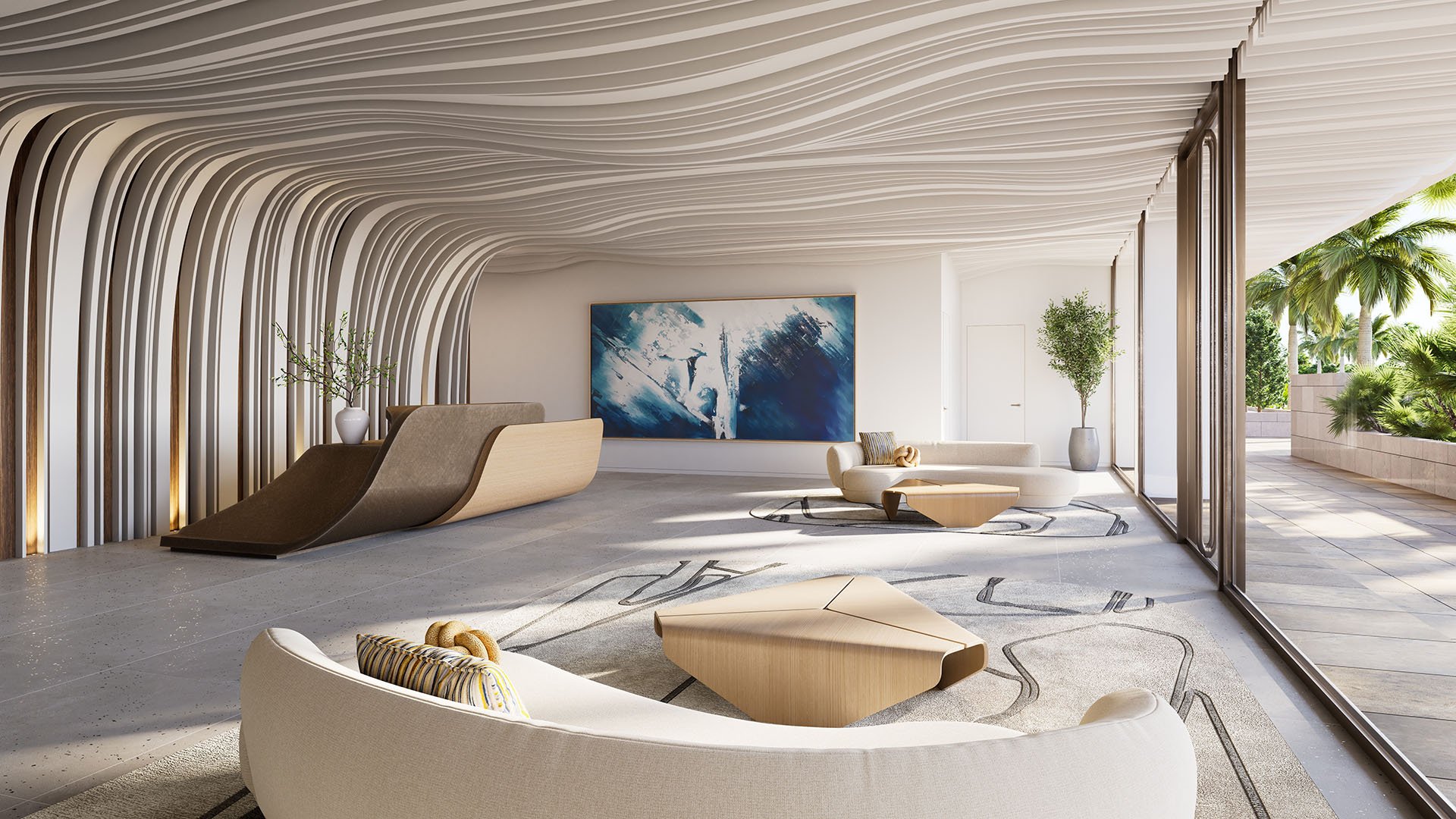
A glass residence on the water is purchased for what it removes: visual interruption, architectural heaviness, the feeling of separation from the horizon. Walls become planes of light. Morning reflections move across stone floors. The water is not a backdrop, but a living surface that shapes the day.
That same transparency makes maintenance unusually visible. In a traditional residence, exterior upkeep can recede into the background. In a glass-forward home, it is central to the experience of ownership. A buyer may fall in love with a panoramic living room, then discover after closing that the quality of that view depends on a building schedule, access logistics, weather windows, privacy protocols and the practical rhythm of service teams.
For South Florida buyers, this is not a minor housekeeping question. It is part of understanding how a residence actually lives. Whether considering Glass House Boca Raton, a vertical waterfront tower, or a boutique shoreline address, the right question is not simply, “Are the windows cleaned?” It is, “Who controls the schedule, what is included, and how will that schedule affect my daily use of the home?”
Window washing is often treated as an operational detail, but in a glass residence it connects directly to value perception. Clean glass clarifies the view, supports the architectural intent and helps the residence present as designed. When the schedule is irregular, unclear or difficult to execute, the difference is visible.
Buyers should ask for the current exterior glass maintenance cadence before contract, not after closing. The answer may reveal whether service is building-wide, individually arranged, association-managed or coordinated through a preferred vendor. It may also clarify whether certain glass areas are considered common elements, limited common elements or owner responsibility.
This distinction matters because luxury buildings often have complex elevations. A floor-to-ceiling window in a living room may be treated differently from a glass railing, a terrace enclosure or interior-facing panels. Before committing to a waterfront residence, a buyer should understand which surfaces are serviced automatically and which require separate arrangements.
Oceanfront and bayfront living expose architecture to a more dynamic environment than an inland setting. Moisture, wind, airborne residue and changing weather can make glass maintenance more noticeable, especially on elevations facing open water. The goal is not perfection every day. The goal is predictable care and a building culture that treats the façade as part of the lifestyle promise.
At The Perigon Miami Beach, buyers drawn to Miami Beach living should think beyond the immediate drama of the waterline and ask how glass, railings and outdoor transitions are maintained over time. A pristine view in a sales gallery is only the first chapter. The longer question is how the residence will look after months of occupancy, seasonal weather and regular use.
Waterview ownership is emotional, but the due diligence should be practical. Ask whether washing is performed from the exterior, from suspended systems, from terraces, or through other access methods. Ask how owners are notified, whether furniture must be moved, whether pets or staff need to be managed, and whether the schedule changes during periods of heavy weather.
A balcony or terrace can complicate glass care. Outdoor furniture, planters, summer kitchens and privacy screens may all affect how service crews access exterior surfaces. In larger residences, the outdoor living area is not a decorative add-on. It is a second living room, and maintenance protocols should respect that.
Before closing, buyers should request the building’s rules for access. Does the association require owners to clear terrace zones in advance? Are crews permitted to enter private outdoor areas when the owner is not present? Are there specific notice periods? If a residence has wraparound exposure, does the schedule cover all sides at once, or does work occur in phases?
The most elegant buildings tend to make these operations feel invisible, but invisibility is created by planning. A buyer comparing The Residences at 1428 Brickell with other Brickell glass residences should evaluate not only amenities and finishes, but also the precision of building management. In dense urban waterfront settings, coordination can be as important as design.
Glass residences are designed for openness, but owners still expect privacy. Window washing introduces temporary proximity between service personnel and private interiors. In ultra-luxury homes, this should be handled with clear communication and discretion.
Ask how much advance notice is typically provided. Ask whether service windows are broad or specific. Ask whether staff, family members or guests will be informed through a resident portal, concierge communication or direct notice. If a primary suite, bath or office has significant glass exposure, understand how the building protects residents from surprise access.
Privacy is not only about who can see inside. It is also about interruption. A poorly communicated washing day can disrupt a private meeting, a guest stay or a quiet morning at home. For a second-home owner, the concern may be different: if the residence is unoccupied, who supervises access, and how is the home secured afterward?
Not every glass maintenance cost is obvious in the purchase conversation. Some services may be covered by association fees, while supplemental or interior glass cleaning may fall to the owner. Large sliding doors, glass railings, high ceilings, skylights and specialty installations can each create separate maintenance needs.
A sophisticated buyer should ask for a plain-language breakdown: what is included, what is optional, what is owner-paid, and what is recommended. For residences with extensive glazing, recurring service should be considered part of the annual ownership plan, alongside insurance, association expenses, staffing, landscaping where applicable and general household maintenance.
This is especially relevant for buyers moving from a single-family home to a condominium, or from a traditional condominium to a more architecturally transparent residence. The building may handle more than the owner expects, or less. Either way, clarity prevents disappointment.
The quality of a window washing schedule is not only frequency. It is consistency, communication and accountability. A buyer should ask how the building documents completed work, how residents report concerns, and whether follow-up service is available if a portion of the façade is missed or affected shortly after cleaning.
In high-design markets such as Sunny Isles, the glass line is often central to the visual identity of a tower. A buyer considering St. Regis® Residences Sunny Isles should view maintenance standards as part of the overall service culture. The same lens applies across Miami Beach, Boca Raton, Fort Lauderdale, Palm Beach and Brickell: the residence is not only what is delivered on day one, but how it is cared for year after year.
During a showing, look closely at corners, balcony doors, railings and exterior panels. Ask whether the condition you are seeing reflects the normal service cycle or a recent cleaning. If the residence is new construction or pre-construction, ask how the building intends to manage glass after turnover, not only before delivery.
A polished glass residence should come with a polished maintenance conversation. Before contract, ask these questions in writing:
Who manages exterior window washing? Which surfaces are included? How often is service typically scheduled? How are residents notified? Does service require access through the residence? Are terraces, railings and balcony glass included? What happens if weather delays the schedule? Are supplemental services available? How are costs allocated? Who is responsible for interior glass and specialty installations?
These questions are not adversarial. They are part of buying well. In the luxury market, discretion and preparation are closely related. The more transparent the building is about its maintenance plan, the more confidently a buyer can assess the true ownership experience.
Should I ask about window washing before making an offer? Yes. In a glass waterfront residence, the washing schedule affects views, privacy, access and long-term ownership expectations.
Is exterior glass cleaning usually handled by the building? It depends on the residence and governing documents. Buyers should confirm which surfaces are included and which remain the owner’s responsibility.
Do terraces and balcony railings count as part of window washing? Not always. Ask specifically about balcony glass, terrace railings, sliding doors and any specialty panels.
Can window washing affect privacy? Yes. Service crews may be near private interiors, so advance notice and clear protocols are important.
What should second-home owners ask? They should ask who supervises access, how the residence is secured afterward and how they are notified when work is complete.
Does a better view require more maintenance planning? Often, yes. Larger expanses of glass make care more visible and make scheduling more relevant to daily enjoyment.
Should costs be reviewed before closing? Yes. Buyers should understand what is included in association expenses and what may require separate owner-paid service.
What if weather delays a scheduled cleaning? Ask how the building reschedules service and how residents are informed when dates change.
Is interior glass part of the same service? Usually it should be clarified separately. Interior panels, mirrors, doors and high glass features may require private arrangements.
What is the most important question to ask management? Ask for a clear explanation of the schedule, included surfaces, access requirements, resident notice and cost responsibility.
For a discreet conversation and a curated building-by-building shortlist, connect with MILLION.
If branded residences are on your mind — as a home or as an allocation — we would be glad to share what we are seeing, privately.
Begin a quiet conversation