A discreet buyer’s guide to planning children’s rooms in South Florida luxury residences, from flexible layouts and storage to light, privacy, schooling rhythms, and long-term resale judgment.

In South Florida luxury real estate, the children’s room is no longer a decorative afterthought. It is a planning decision with emotional, practical, and resale consequences. The best rooms feel serene at age three, useful at age ten, and appropriately adaptable when the household changes. That balance is especially important across Miami, Fort Lauderdale, and Palm Beach, where buyers often compare waterfront views, vertical living, private outdoor space, and school routines within the same search.
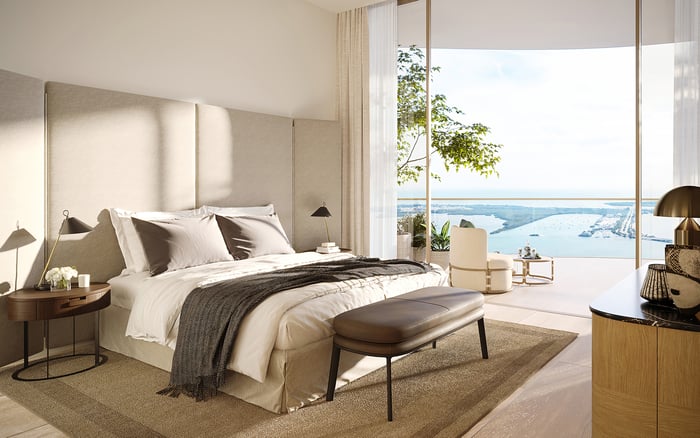
A nursery can be charming, but charm is not the strategy. The stronger approach is to ask how the room will function through every stage: crib, twin beds, homework, sleepovers, gaming, guests, and eventually an older child seeking more independence. A refined children’s room should absorb change without requiring renovation every few years. Millwork, lighting, window treatments, closet systems, and acoustic comfort matter more than a painted motif.
For buyers, the question is not simply whether a room can hold a bed. It is whether the room can support a child’s day with grace. Where does the backpack land? Can a caregiver move comfortably at night? Is there room for a desk without compromising circulation? Does the closet handle toys today and clothing tomorrow? These are small questions, but in a trophy residence, they separate beautiful space from intelligent space.
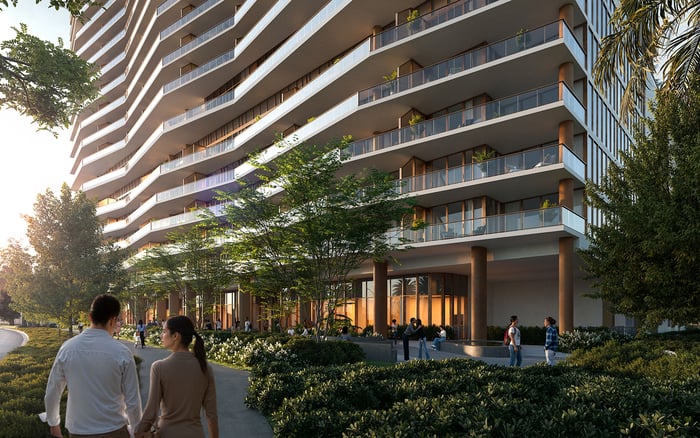
Miami often asks families to think vertically. In areas such as Brickell, Edgewater, Miami Beach, Coconut Grove, and nearby island communities, children’s rooms may sit within residences where the view, terrace, and main entertaining rooms dominate the plan. That does not diminish the children’s suite. It makes its placement more consequential.
In urban Miami residences, separation is often the luxury. A child’s room near the primary suite may be ideal for younger children, while older children may benefit from a room buffered by a den, gallery, or secondary lounge. Buyers considering 2200 Brickell, for example, should evaluate not only bedroom count, but also how the secondary bedrooms relate to daily arrival, elevators, service areas, and communal living spaces.
Coconut Grove introduces a different sensibility. It tends to reward softer transitions between indoor and outdoor life, with family rooms, terraces, and greenery often shaping how children use the home. At Arbor Coconut Grove, the planning conversation naturally turns to calm materials, flexible rooms, and the value of a children’s space that feels protected without feeling detached from the rest of the residence. Coconut Grove buyers often prize a more relaxed rhythm, and children’s rooms should reflect that ease.
In Miami Beach, the children’s room must also contend with the social character of the home. If the residence is frequently used for hosting, the children’s corridor should feel private and composed. Guest flow, powder room placement, and elevator arrival all matter. A room that is visually lovely but constantly crossed by household movement will rarely feel restful.
Fort Lauderdale family planning often begins with movement: boating days, beach mornings, school commutes, sports, visiting relatives, and weekend guests. In that context, the children’s room should operate as a retreat from activity. It should be easy to maintain, calm at night, and organized enough to support an active household.
For residences such as Four Seasons Hotel & Private Residences Fort Lauderdale, the buyer should look carefully at the hierarchy of bedrooms. Are secondary suites truly livable, or are they simply labeled as bedrooms? Is there sufficient wall space for furniture beyond the bed? Does the room allow a child to grow into a larger desk or reading chair? Fort Lauderdale families often value a polished resort atmosphere, but the children’s room must still work hard behind the scenes.
Storage deserves particular attention. Luxury buyers sometimes focus on finishes and overlook how quickly children accumulate volume. A clean-lined closet, built-in shelving, and concealed toy storage can preserve the elegance of the residence while allowing childhood to remain visible in appropriate ways. The goal is not to erase family life. It is to give it order.
Palm Beach and West Palm Beach family residences often invite a more classical interpretation of childhood space. Rooms may be expected to feel quiet, tailored, and lasting. Instead of bold novelty, the stronger move is restraint: layered textiles, elegant lighting, durable surfaces, and furniture that can migrate from childhood into adolescence.
At Alba West Palm Beach, buyers thinking about children’s rooms should consider how the home supports both family intimacy and adult entertaining. A well-positioned secondary bedroom can serve a child today, a visiting grandparent later, or a refined guest suite when the household matures. That versatility is central to long-term value.
Palm Beach buyers often understand the virtue of rooms that do not announce too much. A child’s room can be personal without becoming permanent in its specificity. Wallpaper, art, bedding, and loose furniture can carry personality, while floors, millwork, closets, and lighting remain timeless. This is especially useful for families who may use the residence seasonally or who expect the home to host extended family.
First, study the room at three times of day. Morning light may be wonderful for waking, but difficult for late sleepers. Afternoon exposure may make a room feel bright and energetic, but buyers should consider window treatments and cooling comfort. Evening privacy matters, especially in denser settings.
Second, test the furniture plan. A proper children’s room should allow for a bed, nightstand, dresser or built-in storage, desk, and comfortable circulation. If two children may share the room, ask whether two beds can fit without turning the space into a dormitory. If a nanny, tutor, or grandparent will be involved, consider how adults move through the room.
Third, understand adjacency. Younger children benefit from proximity. Older children benefit from independence. The ideal plan may include both, with one secondary room near the primary suite and another more separate. A den that can become a study, playroom, or media room gives the household room to breathe.
Fourth, evaluate sound. The best children’s rooms are not directly exposed to the loudest entertaining zones. They should feel calm when adults are still awake. This is particularly relevant in open-plan residences where kitchen, dining, and living spaces merge into a single social field.
Finally, think about education and routine without allowing any single year to dictate the home. A private-school decision, a sports schedule, or a tutoring routine may shape today’s logistics, but the residence should remain adaptable. The most successful buyers choose rooms that serve the child’s present while protecting the home’s future.
Children’s rooms in the ultra-premium market succeed when they use permanent elements sparingly and temporary elements beautifully. Built-ins should be simple. Lighting should be layered. Closets should be generous and adjustable. Floors should tolerate real life. Window treatments should manage light and privacy with precision.
Color can be introduced, but it should not overwhelm the architecture. The most elegant children’s rooms in South Florida often borrow from the larger residence: pale woods, soft whites, muted blues, warm neutrals, woven textures, and discreet pattern. The effect is youthful without becoming childish.
For resale, avoid over-customization. A built-in bunk wall may delight one family and burden the next. A balanced room, by contrast, can become a nursery, child’s room, study, or guest suite with limited intervention. That flexibility is one of the quietest luxuries a residence can offer.
What is the first thing to evaluate in a child’s bedroom? Start with the floor plan, not the finishes. The room should support sleep, storage, study, and easy circulation.
Is it better for children’s rooms to be near the primary suite? For younger children, proximity is often valuable. For older children, a degree of separation can make the home feel more comfortable for everyone.
How should buyers compare children’s rooms in condos versus houses? In condos, adjacency, sound, and storage are critical. In houses, buyers should also consider stairs, outdoor access, and the distance between bedrooms.
Should a children’s room have a terrace or balcony access? It can be appealing, but privacy, supervision, and everyday practicality should guide the decision. Many families prefer outdoor access from shared living areas instead.
What design choices make a room more future-proof? Use timeless flooring, adaptable closets, layered lighting, and loose furniture. Keep highly personal themes in items that can be changed easily.
How important is closet space in a luxury children’s room? Very important. Strong storage protects the elegance of the residence and helps the room adapt from toys to clothing, sports gear, and school materials.
Can a den substitute for a children’s bedroom? A den can be valuable as a playroom, study, or media space, but a true bedroom needs privacy, comfort, and a plan that works for daily life.
What matters most for families buying in Brickell? Families should study elevator arrival, bedroom separation, storage, and how children move between sleeping areas and shared living spaces.
How can Palm Beach buyers keep children’s rooms elegant? Choose restraint in permanent materials and add personality through textiles, art, and furniture. The room should feel personal, not overly fixed.
Do children’s rooms affect resale value? They can, especially when they remain flexible. A secondary suite that works for a child, guest, or study is more broadly appealing.
For a tailored shortlist and next-step guidance, connect with MILLION.
If branded residences are on your mind — as a home or as an allocation — we would be glad to share what we are seeing, privately.
Begin a quiet conversation