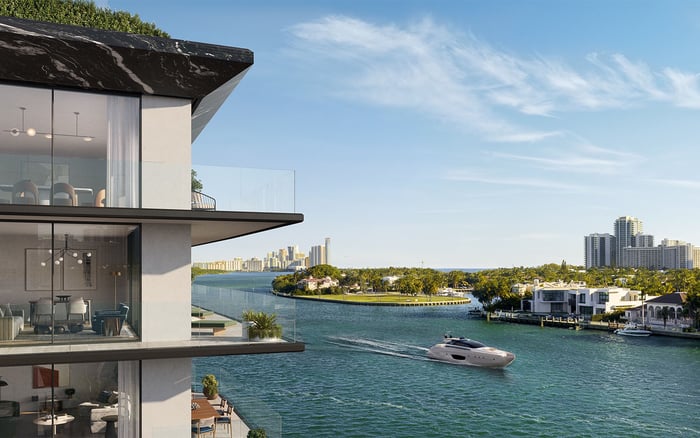
A buyer-oriented look at why bayfront views can carry more enduring value than another amenity level in South Florida luxury residences.
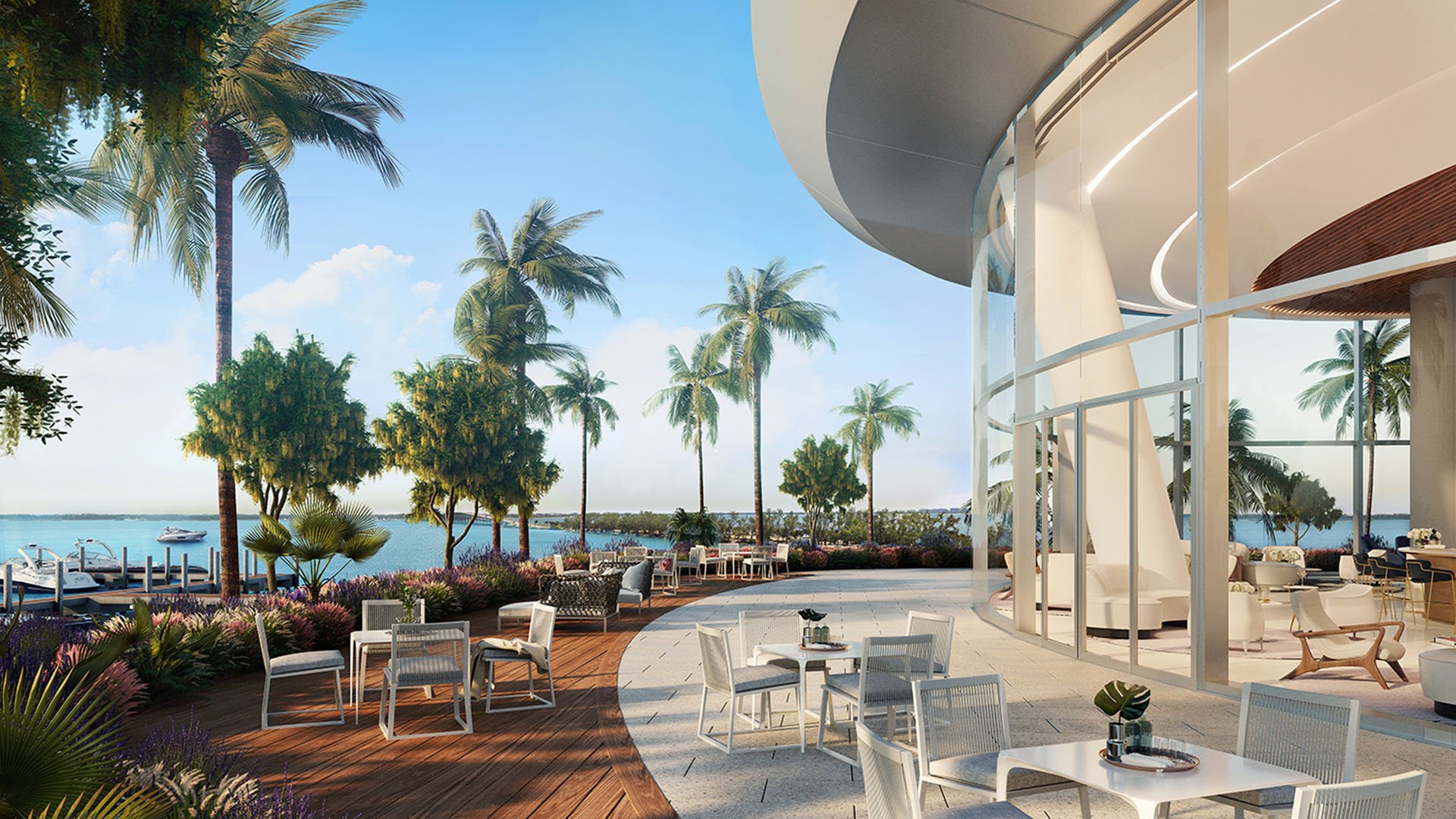
In South Florida luxury real estate, the conversation often begins with amenities. Private dining rooms, wellness suites, golf simulators, screening lounges, spa circuits, residents clubs, pet salons, and layered service programs all have their place. They can be pleasurable, useful, and beautifully executed. Yet for the most discerning buyer, another amenity floor rarely carries the same emotional or architectural weight as an uninterrupted bayfront view.
A view is not simply a visual feature. It is the atmosphere of a home. It shapes the first impression on arrival, the quality of the morning, the way a room feels before furniture is placed, and the quiet satisfaction of returning at night. In a market where buildings compete on finishes and shared spaces, water remains more elemental. It cannot be staged in a model residence or added after closing.
This is why the most composed buyers often ask a different question. Not how many amenities does the building offer, but how does the residence live when the door closes? If the answer includes open water, natural light, privacy, and a sense of distance from the city, the residence may already possess the amenity that matters most.
Amenity floors are inherently communal. They extend the lifestyle of the building; they do not define the private experience of a specific residence. A beautifully designed lounge may impress during a tour, but it is still a place to reserve, share, access, or leave. The bayfront view belongs to the home itself.
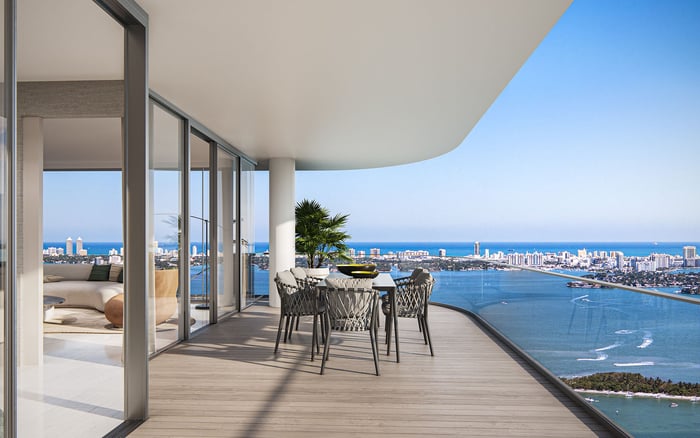
That distinction is especially important at the top of the market. Ultra-premium buyers are not only purchasing services. They are purchasing control: control over light, outlook, quiet, privacy, and daily rhythm. A dedicated amenity space may be desirable, but it cannot replicate the feeling of standing in a living room with water across the glass.
There is also a question of permanence. Amenity programs can evolve, be renovated, be rebranded, or simply feel less novel over time. A well-oriented bayfront exposure, when properly evaluated, can remain the defining quality of a residence for years. It is not trend-dependent. It does not need an activation calendar. It is always present.
A bayfront residence changes the scale of ordinary moments. Coffee feels different when first light moves across the water. Dinner feels more relaxed when the room opens to reflected color at dusk. Even work calls, quiet reading, and family routines are reframed by a horizon line beyond the glass.
This is where the language of value becomes personal. A water view may be described as an asset, but it is lived as a mood. It softens the edges of a high-rise day. It makes density feel more graceful. It gives a residence a sense of release, especially in neighborhoods where the urban fabric is active and vertical.
The best views also influence design decisions. Owners often choose quieter palettes, lower furniture profiles, and fewer visual interruptions when the water is the central composition. The view becomes the art. In those homes, luxury is less about accumulation and more about editing.
Each South Florida waterfront setting asks a different kind of buyer question. In Brickell, the appeal may be the tension between a cosmopolitan skyline and open water. The stronger residences create a pause within the city, giving the owner immediacy to urban life without surrendering a sense of escape.
In Edgewater, the conversation often turns to the choreography of light, openness, and proximity to the bay. A residence with considered glass lines and a meaningful balcony can feel less like an apartment in the city and more like a private observatory over water.
Bay Harbor has a quieter sensibility. The luxury there is often measured by restraint, neighborhood scale, and a more residential cadence. For buyers who value discretion over spectacle, the right water outlook can feel deeply personal, particularly when paired with privacy and thoughtful planning.
For a Miami Beach buyer, the water conversation can become more layered. Some want the cinematic quality of wide exposure. Others prefer the softer privacy of a protected view corridor. In either case, the decision is rarely only about the postcard. It is about how the view interacts with the plan, the terrace, the light, and the way the home will be used.
Not every water view deserves the same premium. Buyers should evaluate the view from the principal rooms first, not only from the terrace. A dramatic outlook that is visible only from one corner may be less meaningful than a calmer view that organizes the entire living experience.
Sightline permanence also matters. A buyer should understand what sits between the residence and the water, how neighboring structures affect privacy, and whether the view feels open while seated, dining, or standing at the kitchen island. Luxury is experienced at human height, not only in a marketing rendering.
Glare, heat, and exposure are also part of the calculus. A bright view can be magnificent, but the best residences manage light with architecture, overhangs, glass quality, and interior planning. The goal is not simply to have water visible. The goal is to have water livable.
Terrace depth deserves the same scrutiny. A narrow outdoor ledge may photograph well, but a true outdoor room changes the value of the home. If the terrace can hold conversation, dining, or a quiet chair without feeling ornamental, the view becomes part of daily life rather than a backdrop.
The strongest bayfront purchases are not driven by impulse. They are guided by proportion, orientation, privacy, and restraint. The buyer is not rejecting amenities. Rather, the buyer is placing them in the correct hierarchy. Shared spaces enhance a building, but the private residence must carry the emotional center of the purchase.
This is the distinction sophisticated buyers understand. A wellness level may be excellent, a dining room may be useful, and a lobby may be artfully composed. But the most important luxury is often the one no reservation system can manage. It is the water at breakfast, the evening light in the living room, the quiet distance between the home and the rest of the world.
That is where the conversation becomes more nuanced. The better question is not whether a residence has enough amenities. It is whether the home itself already feels complete.
Why do bayfront views matter so much in luxury real estate? They shape the private experience of the home every day. Unlike shared amenities, the view belongs to the residence itself.
Is an amenity floor still important? Yes, but it should support the lifestyle rather than compensate for a weak residence. The private home should remain the main event.
What makes one bayfront view better than another? Breadth, privacy, permanence, room visibility, and quality of light all matter. The best views work from the main living spaces, not only from the terrace.
Should buyers prioritize height? Height can help, but it is not the only factor. A lower residence with a wider, more intimate water connection may feel stronger than a higher one with compromised sightlines.
How should I evaluate a balcony with a view? Consider whether it is deep enough to use comfortably. A functional outdoor room is more valuable than a narrow space that only photographs well.
Can interior design improve a water view? Yes, especially through restrained palettes, low-profile furnishings, and careful lighting. The goal is to frame the view rather than compete with it.
Does a water view always justify a premium? Not automatically. The premium should reflect view quality, privacy, usability, and how much the water enhances daily living.
Are city views less desirable than bay views? Not necessarily. Some buyers prefer skyline energy, but bayfront views often provide a calmer sense of openness and escape.
What should I ask before buying a bayfront residence? Ask how the view performs at different times of day, from seated positions, and from the rooms used most often. Also consider privacy and terrace function.
How can MILLION help refine the search? MILLION can help frame the decision around lifestyle, architecture, and long-term fit rather than surface-level features.
For a confidential assessment and a building-by-building shortlist, connect with MILLION.
If branded residences are on your mind — as a home or as an allocation — we would be glad to share what we are seeing, privately.
Begin a quiet conversation