A discreet buyer’s guide to evaluating Alana and Alma Bay Harbor Islands through the lens of lock-and-leave ownership, from building operations and governance to resale discipline.
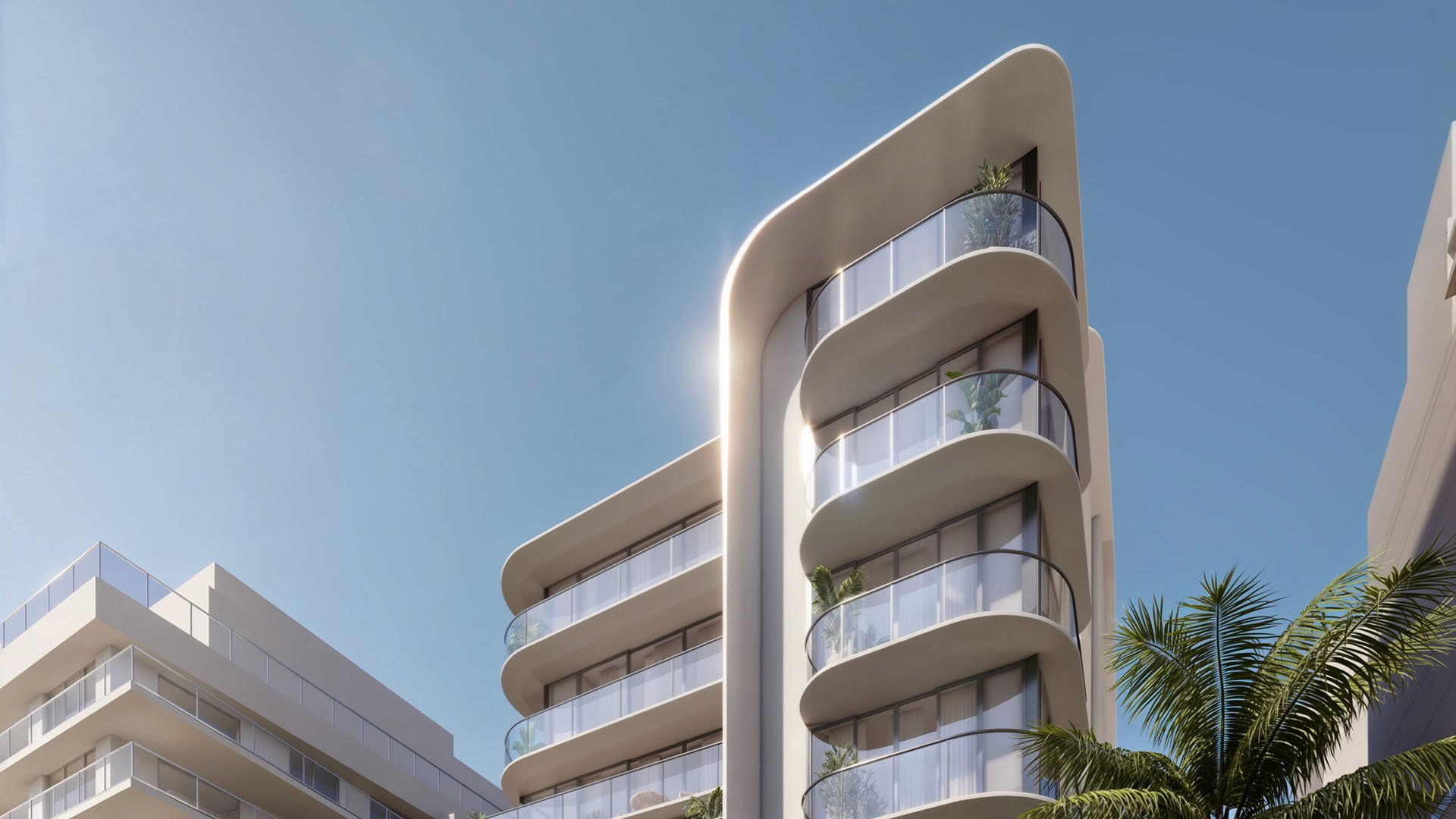
Alana Bay Harbor Islands and Alma Bay Harbor Islands occupy a precise place in the South Florida buyer conversation. They are not simply addresses to evaluate, but part of a broader decision about how a residence should perform when it is not occupied every day. For many purchasers, the essential question is whether a home can remain elegant, secure, and operational while its owner is traveling, spending part of the year elsewhere, or moving among multiple properties.
That is the essence of lock-and-leave ownership. It is less about absence than confidence. A true lock-and-leave residence should allow a buyer to depart without feeling the property requires constant improvisation. When reviewing Alana Bay Harbor Islands and Alma Bay Harbor Islands, discerning buyers will look beyond surface finishes and ask how the building is designed to function day after day.
Boutique condominium living has a particular appeal in Bay Harbor Islands. It can feel more private, more residential, and more closely aligned with owners who do not want the tempo of a large resort-style tower. Boutique, however, does not automatically mean effortless. Smaller buildings can be exquisite, but buyers should examine how staffing, maintenance, access control, and owner communication are structured.
In this context, the conversation around Alana and Alma should be grounded in practical rhythm. Who receives guests or deliveries when the owner is away? How are vendors approved? What is the protocol for water shutoffs, air conditioning settings, storms, elevator access, and after-hours issues? A residence may be beautifully composed, but lock-and-leave value is ultimately measured by the systems behind the front door.
A useful distinction is the difference between a property that photographs well and a property that lives well. That distinction is especially important for second-home buyers who may compare Miami Beach energy with the quieter, more residential character they seek in Bay Harbor Islands.
The strongest due diligence begins before emotion takes over. Purchasers should request and review the condominium documents, proposed or current budget, association rules, insurance framework, reserve approach, rental restrictions, pet policies, parking rights, storage terms, and any limitations on alterations. These may not be glamorous details, but they shape the ownership experience.
For lock-and-leave buyers, three themes matter most. First, determine whether the building’s operating procedures are clear enough to support absence. Second, understand the total monthly and annual ownership cost, including association expenses and insurance-related exposure. Third, review whether the rules support the way the buyer actually intends to use the residence, whether as a seasonal home, a primary base, or a longer-term hold.
It is also wise to compare neighboring options rather than treating any single building in isolation. A buyer considering Alana and Alma may also study La Baia North Bay Harbor Islands and Origin Bay Harbor Islands to understand how different residential programs approach privacy, scale, and waterfront-oriented living.
A polished sales environment can make ownership feel simple. The closing package is where the real picture emerges. Buyers should ask how maintenance requests are handled, whether the building supports remote owner communication, how access is documented, and what protections exist around keys, packages, service providers, and guest entry. The answer does not need to be extravagant. It needs to be precise.
Interior considerations also matter. A residence that will sit vacant for weeks should be evaluated for humidity management, appliance shutoff procedures, leak detection readiness, window and terrace care, and cleaning schedules. These are not signs of worry. They are the quiet mechanics of preserving a high-value South Florida home.
The best lock-and-leave owners think like stewards. They maintain a trusted local contact, schedule periodic inspections, clarify storm preparation responsibilities, and keep a written checklist for departure and return. That discipline allows the property to feel serene rather than reactive.
Alana and Alma appeal to a buyer likely seeking refinement without unnecessary spectacle. The address decision is not only about square footage or view orientation. It is about whether the residence supports a measured, low-friction lifestyle. In Bay Harbor Islands, that often means privacy, manageable scale, and a sense of neighborhood calm, while still allowing access to the broader South Florida orbit.
A buyer should be careful not to confuse simplicity with limited ambition. A smaller residential environment can still carry a sophisticated lifestyle proposition when the design, governance, and service culture are aligned. Conversely, an impressive amenity list can be less valuable than a well-run building with clear protocols and financially disciplined ownership.
For additional context within the same market conversation, The Well Bay Harbor Islands offers another point of comparison for buyers studying how different projects express wellness, privacy, and residential convenience in the area. The purpose of comparison is not to chase the most amenities. It is to identify the building whose operating model matches the owner’s life.
Lock-and-leave ownership is not only a lifestyle preference. It can influence future liquidity. The next buyer will likely ask many of the same questions: Is the building easy to own? Are the rules clear? Are the costs understandable? Does the residence feel well cared for? Does the association inspire confidence?
For buyers thinking five or ten years ahead, the most resilient purchase is often the one that balances design appeal with operational clarity. Finishes can be refreshed. Procedures, governance, and ownership culture are more difficult to retrofit. That is why the due diligence process should give as much weight to documents and management as to the arrival sequence and interior palette.
The most effective approach is to create a personal ownership brief. Define how often the residence will be occupied, who will have access, whether guests will use it, how much service is expected, and what level of monthly cost feels appropriate. Then test Alana, Alma, and any comparable Bay Harbor Islands buildings against that brief.
The right choice should feel calm after the questions are answered. If the answers are vague, keep asking. In a luxury market, confidence is part of the purchase.
What does lock-and-leave ownership mean in Bay Harbor Islands? It means owning a residence that can be left for periods of time with clear procedures for security, access, maintenance, and owner communication.
Are Alana and Alma only for second-home buyers? No. They may suit primary, seasonal, or occasional-use owners, depending on the buyer’s lifestyle and the building’s rules.
What documents should a buyer review first? Start with condominium documents, budgets, association rules, insurance information, reserve details, and any rental or pet restrictions.
Why are operating procedures so important? They determine how the building handles vendors, deliveries, emergencies, guest access, and routine care when an owner is not present.
Should buyers compare Alana and Alma with other Bay Harbor projects? Yes. Comparing several buildings helps clarify differences in scale, governance, services, and the overall ownership experience.
Do amenities matter for lock-and-leave buyers? They matter, but less than operational reliability, financial clarity, and rules that match how the owner plans to use the residence.
What should seasonal owners ask about before closing? Ask about key control, package handling, vendor access, storm preparation, leak response, and communication while away.
Can association rules affect resale value? Yes. Clear, balanced rules can support buyer confidence, while uncertainty around use, costs, or governance may narrow the audience.
Is boutique living easier to manage than a larger building? Not automatically. Boutique living can be more private, but buyers should confirm staffing, systems, and response protocols.
What is the best way to shortlist comparable options for touring? Start with location fit, delivery status, and daily lifestyle priorities, then compare stacks and elevations to validate views and privacy.
For a confidential assessment and a building-by-building shortlist, connect with MILLION.
If branded residences are on your mind — as a home or as an allocation — we would be glad to share what we are seeing, privately.
Begin a quiet conversation