A discreet buyer’s guide to evaluating terrace drainage, waterproofing, maintenance responsibility, and inspection questions before purchasing luxury real estate in Pompano Beach.

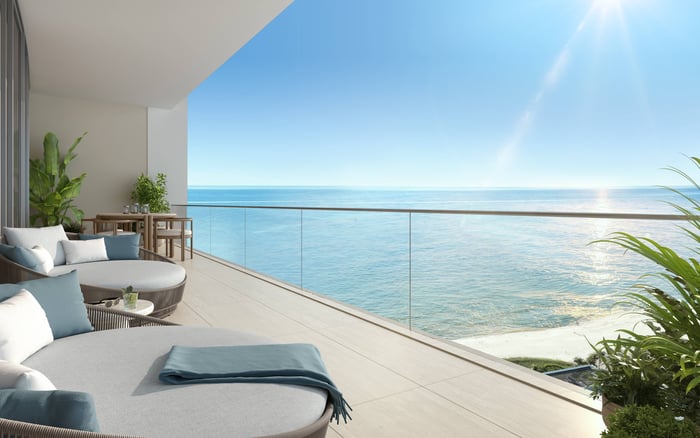
A private terrace is one of the defining pleasures of luxury real estate in Pompano Beach. It frames morning light, ocean air, evening entertaining, and the transition between interior calm and coastal openness. Yet the same space that feels effortless during a showing can become complicated if water does not leave it properly.
Terrace drainage is rarely the most glamorous line item in a purchase conversation, but it is among the most important. In a coastal environment, exterior surfaces must contend with wind-driven rain, humidity, salt air, planters, furniture, outdoor kitchens, sliding-door thresholds, and maintenance routines. A beautiful Balcony or oversized Terrace should be evaluated not only for view and scale, but for how intelligently it manages water.
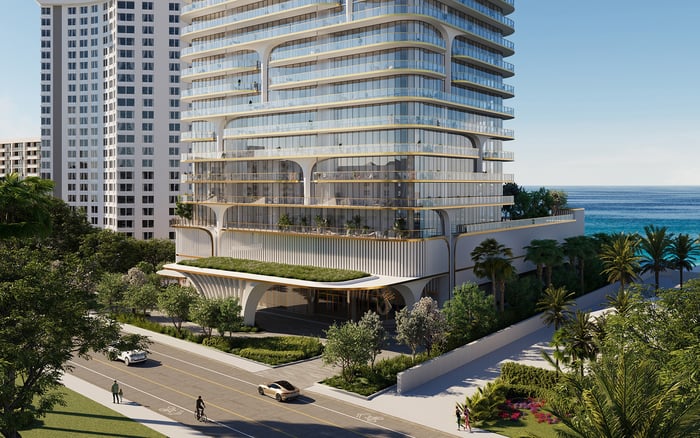
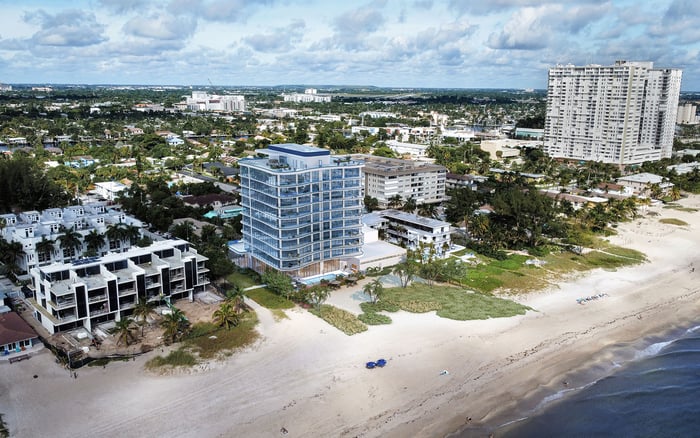
This is especially relevant when comparing new and established residences across Pompano Beach, from branded coastal towers such as Armani Casa Residences Pompano Beach to boutique or resort-style buildings along the shoreline. Drainage is not a cosmetic question. It touches comfort, durability, insurance conversations, association responsibility, and long-term resale confidence.
Begin with the simplest question: where is water supposed to go? A terrace should have an intentional path for rainwater, whether through drains, scuppers, channels, or another designed outlet. Buyers should ask the listing representative, building management, or the developer sales team to explain the drainage logic in plain language.
Useful questions include: does the terrace slope away from the residence? Are drains shared or dedicated? Are they accessible for routine cleaning? Is water directed to a building system, an exterior discharge point, or another approved route? If the answer is vague, the next step is not alarm, but clarification. A well-run luxury property should be able to explain maintenance responsibility and access.
During a showing, look for visual clues. Staining near walls, mineral deposits, uneven pavers, swollen wood at thresholds, persistent dampness, or dark areas around drains may indicate standing water or deferred cleaning. These signs do not automatically mean there is a defect, but they warrant deeper questioning.
Luxury terraces are often designed to feel like outdoor rooms. That means flush visual transitions, elegant stone, large-format tile, glass railings, planters, furniture, and, in some cases, outdoor kitchens. The more refined the terrace, the more carefully buyers should understand how its design accommodates drainage.
Ask whether the terrace surface is pitched sufficiently for water movement. Ask how door thresholds are protected from wind-driven rain. Ask whether the finish material is installed over a drainage mat, pedestal system, or other assembly, if applicable. If pavers can be lifted for inspection or cleaning, that can be helpful. If they cannot, buyers should understand how drains are accessed.
For Oceanfront properties, the conversation should also address exposure. Wind can push rain against doors and walls, while salt air can affect hardware and exterior components over time. Buyers considering residences such as The Ritz-Carlton Residences® Pompano Beach should view terrace drainage as part of the broader envelope discussion, alongside glazing, railings, exterior maintenance, and association protocols.
The most important drainage question may be administrative rather than architectural: who is responsible? In condominium ownership, terraces can involve a mix of private use, limited common elements, association-maintained components, and owner-maintained finishes. Buyers should not assume that because a terrace is attached to the residence, every component is privately maintained, or that because it is exterior, every component is handled by the association.
Ask for the governing documents and relevant maintenance guidelines. Determine who cleans drains, who repairs waterproofing, who is responsible for tile or pavers, and who approves changes to planters, irrigation, furniture anchoring, shade structures, or exterior kitchens. If prior modifications were made, ask whether they were approved.
This is particularly important for Waterfront and Oceanfront homes, where exterior living spaces carry premium value. A terrace with excellent views but unclear responsibility can create friction later. A terrace with clear rules, documented maintenance, and a responsive building team is easier to evaluate emotionally and financially.
Drainage and waterproofing are related, but they are not the same thing. Drainage moves water away. Waterproofing protects the structure from water intrusion. A terrace can appear to drain well and still have waterproofing concerns, particularly if finishes conceal the underlying assembly.
Ask whether the building has a history of terrace waterproofing work, concrete repairs, railing work, or threshold repairs. Ask whether any warranties are in place for recent work. Ask whether the unit you are considering has had leaks, repairs, or insurance claims related to the terrace or adjacent interior areas. If the residence is new, ask what warranty process applies if ponding or water intrusion appears after closing.
When touring projects such as W Pompano Beach Hotel & Residences, buyers should keep the questions practical and specific. Who inspects terrace drains? How are service requests handled? What is the process if a drain clogs during heavy rain? How are private outdoor improvements reviewed? The answers help reveal the building’s operational culture.
A visual showing is not a substitute for a professional inspection. Buyers should engage qualified inspectors and, when warranted, specialists who understand high-rise exterior conditions, waterproofing, and coastal construction. The goal is not to turn every purchase into a forensic exercise. The goal is to avoid surprises that could have been identified before deposit deadlines or closing.
If possible, visit after rain. Water behavior is easier to understand when the terrace has been tested naturally. If that is not possible, ask whether a controlled water test is appropriate and permitted. This should be coordinated carefully so it does not create damage or violate building rules.
Ask the inspector to observe drain locations, surface pitch, visible cracks, sealant condition, door thresholds, railing penetrations, planters, irrigation, and any signs of water migration into interior flooring or baseboards. For resale residences, request disclosure of past terrace issues. For pre-construction purchases, ask for the specifications, maintenance assumptions, and buyer walk-through process.
The lifestyle elements that make a terrace feel luxurious can also affect drainage. Planters can shed soil into drains. Irrigation systems can add water beyond rainfall. Outdoor rugs can trap moisture. Heavy furniture can block flow paths. Built-in kitchens or cabinetry can conceal stains, outlets, and edges where water collects.
Ask whether any terrace improvements are included in the sale and whether they were approved. If you plan to add landscaping or furnishings, confirm weight limits, wind restrictions, fastening rules, and drainage clearances. In luxury buildings, the best terrace plans are beautiful because they respect the engineering beneath them.
At residences such as Waldorf Astoria Residences Pompano Beach, where buyers often envision a refined outdoor lifestyle, the conversation should extend beyond square footage. Ask how the terrace will live during summer storms, seasonal absences, and routine housekeeping.
A terrace is part of the emotional value of a South Florida residence. It may be where coffee is taken, guests are entertained, or the horizon becomes part of the home. But buyers should resist evaluating it only by view, depth, and furniture layout. Drainage is a quiet marker of quality.
The strongest purchases combine design, setting, governance, and maintainability. A Pompano Beach terrace that drains predictably, has clear maintenance responsibility, and shows no troubling history supports both daily enjoyment and future resale confidence. A terrace with unanswered questions may still be worth pursuing, but the price, contract terms, and inspection contingencies should reflect the uncertainty.
For buyers comparing Ocean 580 Pompano Beach with other coastal options, the right drainage questions can sharpen the entire decision. They reveal how the residence has been designed, how the building is managed, and how ownership may feel after the initial allure of the view has settled into daily life.
Why should I ask about terrace drainage before buying in Pompano Beach? Because terrace drainage affects comfort, maintenance, and the risk of water-related issues near exterior doors, finishes, and structural components.
What is the first terrace drainage question to ask? Ask where water is designed to go and who is responsible for keeping that path clear.
Is standing water always a serious problem? Not always, but visible ponding should be evaluated during inspection and discussed with building management or the seller.
Who usually maintains condo terrace drains? Responsibility depends on the governing documents, so buyers should review them carefully before closing.
Should I inspect a terrace after rain? Yes, if practical. A post-rain visit can reveal ponding, staining, or drainage patterns that are not visible on a dry day.
Do planters create drainage concerns? They can. Soil, irrigation, and roots may interfere with drainage if planters are not properly designed and maintained.
What should I look for near sliding doors? Look for staining, swelling, damp flooring, damaged sealant, or any sign that water is collecting near thresholds.
Are new-construction terraces free from drainage risk? No property is free from risk. New residences should still be reviewed for specifications, warranties, and walk-through procedures.
Can outdoor furniture affect terrace drainage? Yes. Furniture, rugs, and storage pieces can block water paths or trap moisture against finished surfaces.
Should terrace drainage affect my offer strategy? If concerns appear, they may influence contingencies, inspection requests, repair discussions, or the final price.
If you'd like a private walkthrough and a curated shortlist, connect with MILLION.
If branded residences are on your mind — as a home or as an allocation — we would be glad to share what we are seeing, privately.
Begin a quiet conversation