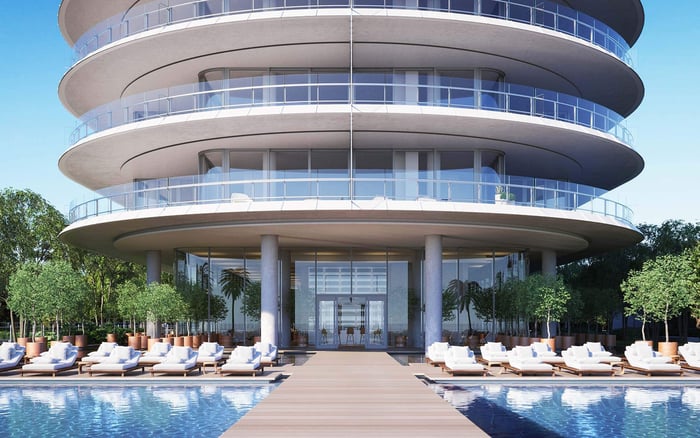
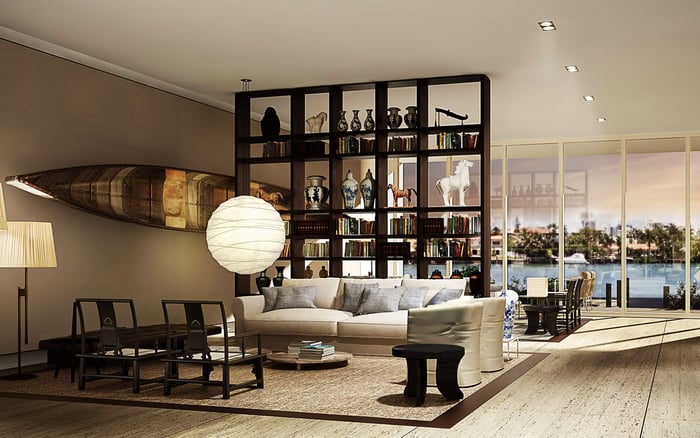
For buyers considering Florida domicile, the Miami Design District can be compelling when a residence supports daily living, privacy, service discipline, and repeatable building operations.
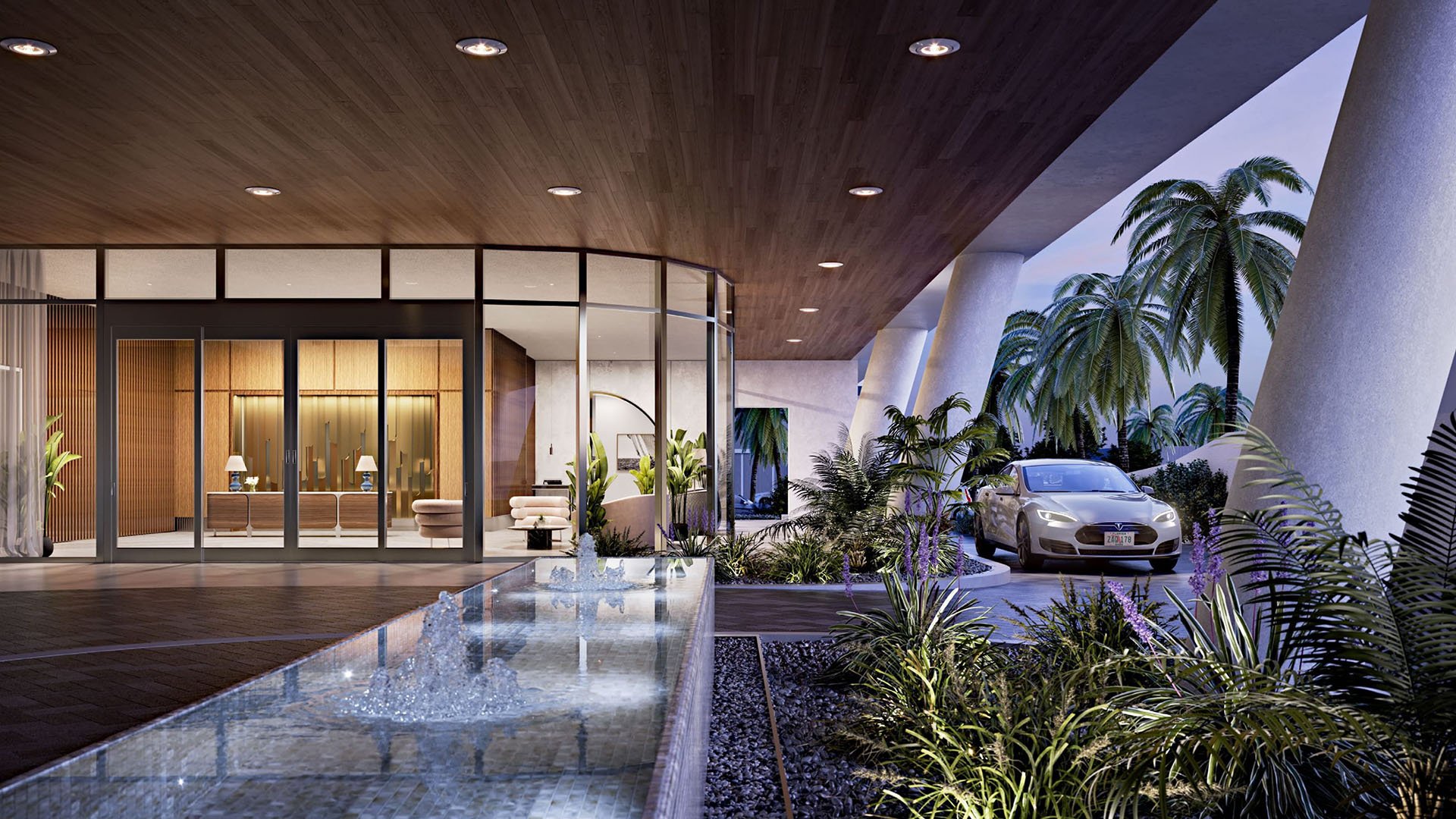
For buyers planning Florida domicile, the Miami Design District can be more than a stylish address. It can be a practical base when the building supports the quiet repetition of everyday life: arrivals, parking, mail, visitors, packages, fitness routines, dining, work calls, and time in residence. Domicile is not created by a beautiful lobby alone. It is reinforced by a pattern of living that feels natural, documented, and sustainable.
That is why building operations deserve the same scrutiny as architecture. A residence may photograph impeccably, but a domicile-minded buyer should ask how the property performs on a Tuesday morning, during peak season, after an international flight, or when family members arrive separately. The best buildings make an owner’s Florida life easy to use often, not merely easy to admire.
The Design District is especially compelling because it sits at the intersection of art, fashion, dining, galleries, offices, and Miami’s broader urban core. For the right buyer, that creates a lifestyle advantage: routine can form around a compact, high-design neighborhood rather than a purely resort rhythm. Residences such as Kempinski Residences Miami Design District speak directly to that profile, where hospitality language and residential discipline need to meet.
A buyer planning Florida domicile should involve qualified legal and tax advisors, but the real estate decision still has a tangible role. The home should be capable of supporting the life the buyer intends to live in Florida. That means sufficient storage for year-round belongings, dependable access for service providers, comfortable space for remote work, and a building team that understands privacy without friction.
In ultra-prime Miami, some buyers are tempted to choose the most recognizable skyline or the most theatrical amenity deck. Those qualities can matter, but domicile-minded ownership is more intimate. The question becomes: can this building help the owner live consistently in Florida, receive correspondence, welcome family, maintain vehicles, exercise, entertain, and return repeatedly without operational drag?
That is where the Miami Design District can work. It offers a refined urban setting without requiring every daily decision to revolve around the beach or a financial district. For collectors, design patrons, frequent travelers, and executives who prefer a culturally charged neighborhood, the area can feel like a residential extension of how they already spend time.
The right building operations begin before the purchase contract. Buyers should study staffing, access control, valet procedures, package handling, move-in policies, guest registration, maintenance response, and the way the building communicates with residents. A flawless residence in a poorly run building can become a source of avoidable stress. A well-run building makes ownership feel calm.
Privacy is central. Domicile-minded buyers may have advisors, family offices, assistants, visiting relatives, designers, healthcare professionals, or security teams interacting with the property. The building should be able to handle those touchpoints discreetly and consistently. In this segment, service is not constant attention. It is reducing the number of times an owner has to explain preferences.
The same standard applies to maintenance. Air conditioning, elevators, access systems, water intrusion protocols, reserves, insurance conversations, and vendor controls all become part of the ownership experience. Buyers should not confuse newness with operational maturity. New construction can be highly attractive, but the operating plan must be examined with the same seriousness as the floor plan.
The Design District is not trying to behave like every other Miami neighborhood. Its appeal is curated, urban, visual, and experiential. For buyers who spend time around design, fashion, hospitality, dining, private events, and contemporary art, the area can support a more natural Miami routine than a destination that requires constant driving for cultural life.
That matters for domicile because convenience encourages use. A buyer is more likely to spend meaningful time in a residence when the surrounding neighborhood aligns with existing habits. The Design District’s appeal is not simply proximity to luxury retail. It is the possibility of a complete pattern: morning coffee, meetings, fitness, art, dinner, and a return home without the psychological distance of a vacation property.
Nearby residential options also broaden the conversation. Miami Design Residences Midtown Miami may appeal to buyers who want to remain close to the district’s creative energy while evaluating a broader Midtown context. The decision should turn on how the building functions, how the buyer plans to use the home, and whether the surrounding streets feel compatible with long-term routine.
The Design District should not be evaluated in isolation. Brickell, Miami Beach, Coconut Grove, Bay Harbor Islands, Surfside, and Sunny Isles each solve different ownership problems. A domicile-minded buyer should compare not only views and finishes, but also the friction of daily life.
Brickell often appeals to buyers who want proximity to finance, dining, and a dense urban schedule. A project such as 888 Brickell by Dolce & Gabbana reflects the branded, vertical, city-forward side of Miami living. For some buyers, that energy is ideal. For others, the Design District may feel more aligned with art, fashion, and creative networks.
Coconut Grove offers another contrast. It is quieter, greener, and more residential in tone, with an established neighborhood feel that can suit families or buyers who prefer a softer pace. Four Seasons Residences Coconut Grove represents a different version of luxury: less gallery-district intensity, more village-like calm. Neither choice is inherently superior. The best address is the one that supports the buyer’s actual Florida life.
A polished sales gallery can answer design questions, but domicile-minded buyers need operational questions answered with equal clarity. Who manages the building day to day? How are service requests tracked? What are the protocols for extended owner absence? How does the building handle deliveries, private drivers, domestic staff, guests, and contractors?
The buyer should also ask about the rhythm of the property. Is it primarily a seasonal building, a full-time residence, a pied-à-terre environment, or a mix? Does the culture of the building support quiet enjoyment, or does it lean toward high turnover and event energy? Domicile planning favors steadiness. The owner should feel that the building can absorb real life without making it theatrical.
Investment considerations also belong in the discussion, but they should not dominate it. A residence chosen for domicile should first be livable, resilient, and operationally coherent. If the building also has strong design integrity and scarcity, that may support long-term value. Yet the immediate test is personal utility: will the owner actually use this home enough for it to become the center of a Florida pattern?
The best residential service is not loud. It is anticipatory, accurate, and restrained. In a Design District context, where residents may move between private dinners, galleries, flights, meetings, and family time, staff should understand how to create continuity without intrusion.
That includes remembering owner preferences, managing arrivals smoothly, protecting visitor privacy, and maintaining consistent standards across shifts. Buyers should pay attention to how they are greeted, how questions are answered, and whether the building team seems trained to solve problems rather than simply recite policies.
For some buyers, wellness and daily restoration are part of the same equation. A building such as The Well Bay Harbor Islands belongs to a different location conversation, but it illustrates why operating philosophy matters. Amenities become meaningful only when they are managed well enough to become part of a resident’s routine.
Before committing, buyers should imagine a full month of Florida life. Where does the car go? Who receives packages? Where do guests sleep? How does the owner work privately? Where are important documents stored? How easily can the household leave for two weeks and return without disruption?
The Miami Design District can work beautifully for buyers planning Florida domicile when those answers are strong. The neighborhood provides cultural density and visual sophistication. The building must provide the rest: order, privacy, dependability, and a residential operating system that turns intention into habit.
Can the Miami Design District work for a buyer planning Florida domicile? Yes, if the residence supports consistent daily use, privacy, and practical routines. Buyers should pair the real estate decision with advice from qualified legal and tax professionals.
Is building operations as important as location? For domicile-minded buyers, it can be just as important. A strong location loses appeal when daily access, service, maintenance, and privacy are inconsistent.
What should buyers examine before choosing a Design District residence? They should review staffing, access, package handling, guest protocols, maintenance response, parking, storage, and the building’s resident culture.
Does new construction automatically mean better operations? Not necessarily. New construction can be compelling, but buyers should still study the management plan, service standards, and long-term building procedures.
How does the Design District compare with Brickell? Brickell is often more finance-driven and vertical in feel, while the Design District is more connected to design, fashion, dining, and cultural routines.
How does the Design District compare with Coconut Grove? Coconut Grove typically offers a quieter residential rhythm, while the Design District offers a more urban, design-led lifestyle. The better fit depends on the buyer’s habits.
Should investment potential drive the decision? Investment matters, but domicile-minded buyers should first prioritize livability, operational reliability, and the likelihood that they will use the home often.
What role does lifestyle play in domicile planning? Lifestyle matters because routines become easier when the neighborhood supports how the buyer already wants to live, dine, work, and entertain.
Are branded residences a natural fit for domicile buyers? They can be, if the brand translates into disciplined service and dependable residential management rather than simply design language.
What is the most important takeaway for buyers? Choose the address where the neighborhood and building operations make Florida life repeatable, private, and easy to maintain.
When you're ready to tour or underwrite the options, connect with MILLION.
If branded residences are on your mind — as a home or as an allocation — we would be glad to share what we are seeing, privately.
Begin a quiet conversation