A discreet buyer’s framework for evaluating branded residences in Midtown Miami, from service culture and governance to views, floor plans, privacy, and long-term value.
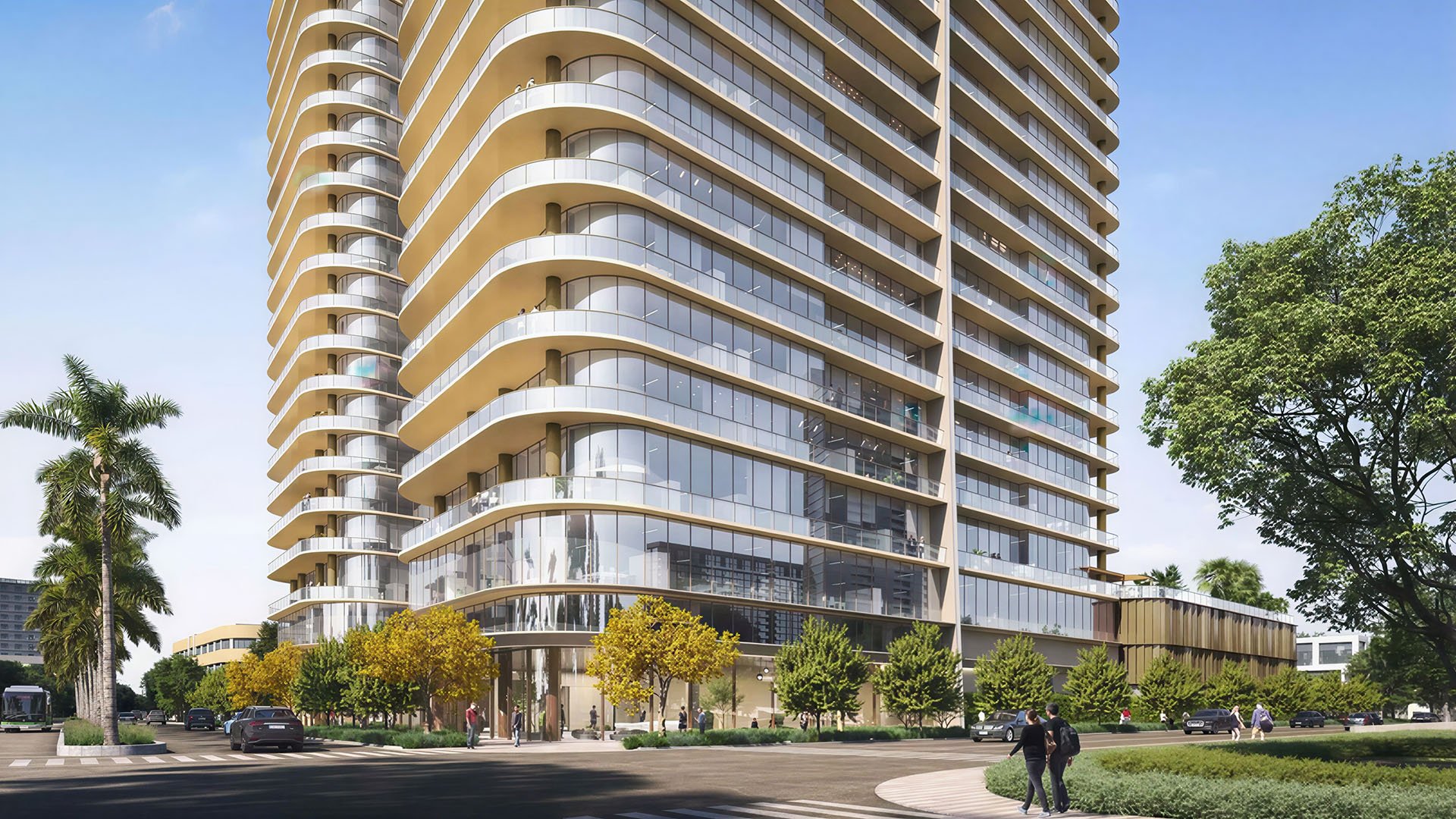
A branded residence in Midtown Miami can be persuasive before the sales presentation even begins. The neighborhood delivers the visual drama buyers associate with contemporary Miami living: galleries nearby, restaurants within reach, the Design District minutes away, Wynwood close enough for spontaneity, and water views possible from select exposures. Yet the view is only one layer of value. The more important question is whether the brand improves daily ownership in a way that remains clear after closing.
For a buyer considering Branded Residences, the name on the building should not be treated as decoration. It should be tested as an operating system. Ask what the brand controls, what it merely influences, and what happens when the residence is no longer new. In South Florida, where New-construction inventory often sells a complete lifestyle image, the disciplined buyer separates atmosphere from execution.
Midtown Miami is particularly interesting because it sits between several identities rather than within only one. A buyer may compare a Midtown opportunity with Miami Design Residences Midtown Miami, then widen the lens toward the Design District through Kempinski Residences Miami Design District, or west toward Frida Kahlo Wynwood Residences. That comparison is useful because it reveals whether the premium is attached to location, brand, amenity program, floor plan, or mood.
The first serious question is simple: what does the brand actually do for the resident? A hospitality name may suggest service, but buyers should examine staffing, access protocols, amenity rules, reservation systems, guest policies, and owner communications. A building can look branded yet operate like a conventional condominium if the service layer is thin.
The best review begins with daily use. Imagine arriving after a late flight, hosting family for a long weekend, scheduling a private dinner, receiving deliveries, using the fitness amenities, and leaving the residence empty for several weeks. The brand should make these ordinary moments smoother, not simply more attractive. If the service menu is vague, ask for clarity before allowing the view to carry the decision.
This is where Buyer's Guides discipline matters. Do not ask only whether the building has amenities. Ask whether those amenities match how you actually live. A dramatic lounge may photograph well, but a quiet elevator bank, strong package management, secure parking flow, and intuitive guest arrival can matter more over years of ownership.
Midtown Miami’s appeal is urban energy. That same quality calls for a careful privacy review. Study approach routes, lobby scale, valet choreography, elevator sharing, amenity adjacency, and how residents are separated from visitors, guests, commercial uses, or hospitality components if any are present. Luxury is not only what you can access. It is also what you do not have to navigate.
A buyer should visit at different hours and imagine the building under pressure: weekend evenings, rainy afternoons, holiday arrivals, art-week traffic, and peak dining windows. Even without hard numbers, lived rhythm tells a story. If the building’s public-facing energy overwhelms the private arrival sequence, the residence may feel less rare than the view suggests.
The same thinking applies to nearby districts. Design District polish is different from Wynwood movement, and both are different from Edgewater’s more water-facing residential cadence. Comparing Midtown with EDITION Edgewater can help clarify whether the buyer wants cultural proximity or a calmer residential edge.
Views sell quickly because they are easy to understand. Floor plans take longer because they require imagination. The stronger sequence is to study the plan first, then reward the view if the residence still works. A perfect skyline can lose appeal if the primary bedroom lacks serenity, if the living room cannot hold real furniture, or if the terrace interrupts the interior rather than extending it.
Look for natural light across the day, not only during a scheduled showing. Consider ceiling height, column placement, kitchen integration, storage, laundry position, and the relationship between private and entertaining spaces. In Miami, Waterview is powerful, but it should not excuse awkward circulation. The most resilient residences tend to feel inevitable: entry, room sequence, glazing, terrace, and retreat all work without explanation.
For Investment-minded buyers, the same logic applies to resale. A view may create the first impression, but usability sustains demand. A buyer who can explain the plan in one sentence usually has a stronger asset than one who needs the view to distract from compromises.
A branded residence can carry a premium because buyers expect continuity: design discipline, service standards, amenity quality, and a recognizable identity. The risk is assuming that premium is automatically protected. Governance determines whether the building can preserve its tone over time.
Review association structure, reserve philosophy, rental rules, pet policies, alteration approvals, brand standards, and how common areas are maintained. Ask how decisions are made and who has authority over the elements that create the branded experience. If the building includes mixed uses, understand how costs, access, and responsibilities are divided.
This is also where brand compatibility matters. A fashion-led residence, a hospitality-led residence, and a wellness-led residence can all be compelling, but they should not be judged by the same standards. For instance, a buyer looking at 888 Brickell by Dolce & Gabbana may be evaluating a different emotional proposition than a buyer drawn to a quieter Midtown or Design District address. The right choice depends on whether the brand’s public personality matches the owner’s private life.
The final test is not whether the residence is impressive. It is whether it is durable for the way you intend to use it. A full-time owner may prioritize routine, privacy, and storage. A second-home buyer may focus on lock-and-leave confidence. A frequent host may value arrival sequence, kitchen functionality, and guest separation. A collector may care about wall space, lighting, and controlled circulation more than a larger terrace.
Before falling for the view, write a short ownership brief: how many nights you will spend there, who will visit, what services you will use, whether you will entertain, and how often the residence will sit vacant. Then evaluate the brand, building, plan, and neighborhood against that brief. In Midtown Miami, the best purchase is rarely the one with the loudest skyline. It is the one where brand, privacy, service, and daily rhythm quietly agree.
What is the first thing to evaluate in a branded residence? Start with what the brand controls in daily operations. Design language matters, but service consistency and governance determine long-term ownership quality.
Should I prioritize the view in Midtown Miami? Treat the view as a premium, not the foundation. The floor plan, privacy, light, and building operations should pass first.
Why compare Midtown with Design District and Wynwood? Each area carries a different rhythm and buyer profile. Comparing them helps clarify whether you want polish, energy, convenience, or residential calm.
Are Branded Residences always better for resale? Not automatically. Resale strength depends on execution, fees, governance, floor plan quality, and whether the brand remains desirable.
What should I ask about amenities? Ask how they are reserved, staffed, maintained, and shared. An amenity is only valuable if it works naturally with your lifestyle.
How important is privacy in an urban building? Extremely important. Arrival, elevators, guest flow, and amenity placement can shape whether the residence feels genuinely private.
Does New-construction require extra due diligence? Yes. Review finishes, operating documents, service commitments, association structure, and how the completed building will function after delivery.
Can a Waterview compensate for a weaker layout? Rarely over the long term. A beautiful outlook helps, but awkward circulation or limited storage can become daily frustrations.
Is a branded residence suitable as an Investment? It can be, if the asset has practical livability and a clear identity. Avoid relying on the brand name alone as the investment thesis.
What is the best way to shortlist comparable options for touring? Start with location fit, delivery status, and daily lifestyle priorities, then compare stacks and elevations to validate views and privacy.
For a confidential assessment and a building-by-building shortlist, connect with MILLION.
If branded residences are on your mind — as a home or as an allocation — we would be glad to share what we are seeing, privately.
Begin a quiet conversation