A buyer’s field guide to evaluating sleep-focused primary suites in South Florida, from circadian lighting and blackout shades to acoustics, humidity control, ventilation, materials, commissioning, and maintenance.
“Wellness” is now one of the most polished words in luxury residential marketing. It can refer to a legitimate design approach, a building certification, a spa-like amenity deck, or simply a beautifully photographed bedroom. For a South Florida buyer, the distinction matters. The primary suite is where wellness claims become personal, nightly, and measurable.
When a sales presentation describes a “sleep sanctuary,” ask what standard, certification, or performance target supports the phrase. A credible answer should move beyond adjectives and into defined categories such as air, light, thermal comfort, sound, and materials. Just as important, ask whether the primary suite itself is included in the scope of the wellness claim. A building may promote wellness through shared amenities while the private residence, where sleep actually occurs, follows a more conventional specification.
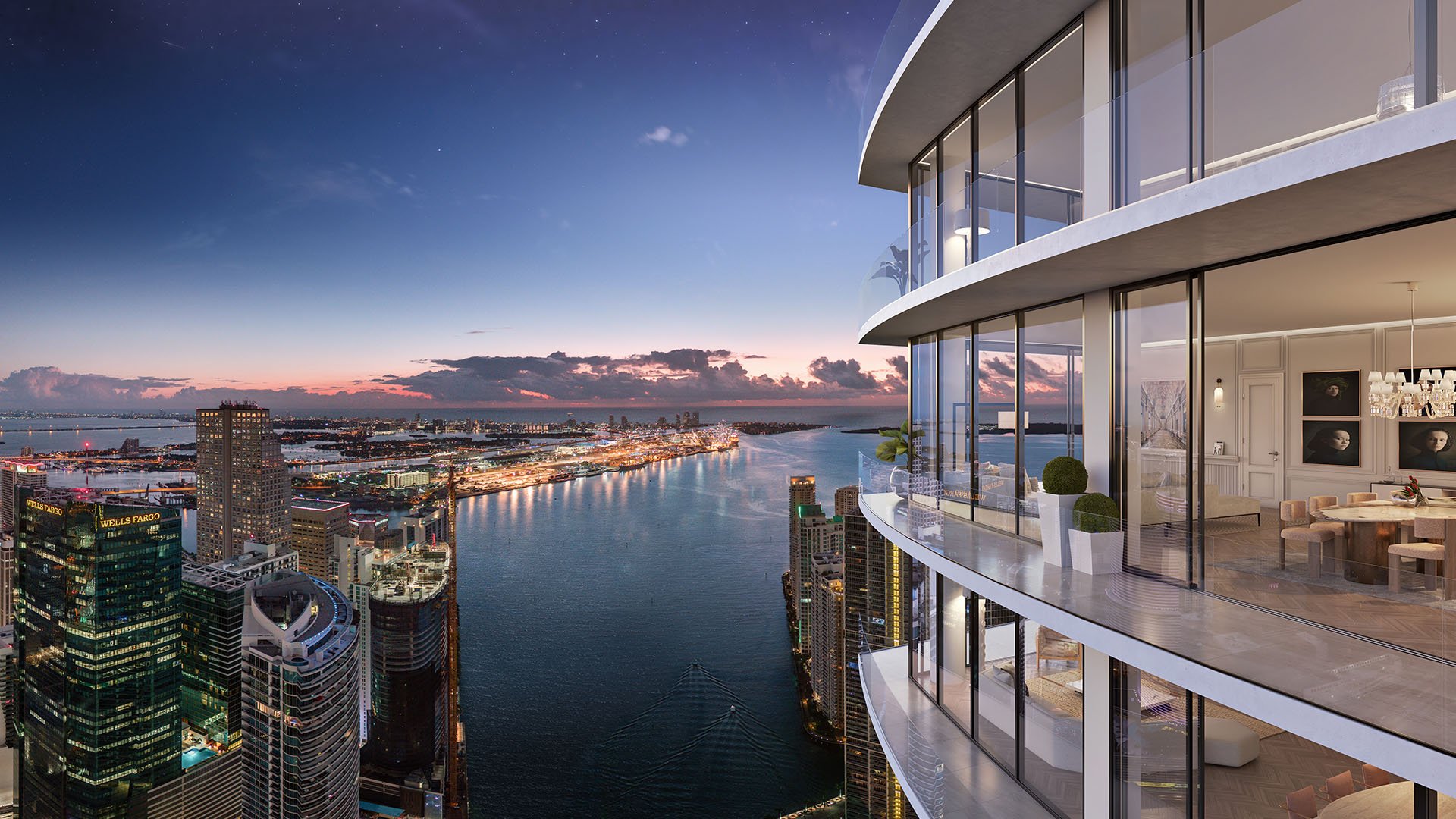
This is especially relevant across Brickell, Miami Beach, Sunny Isles, and other high-demand waterfront corridors, where views, glass, nightlife, sun exposure, and mechanical systems can all influence rest. Oceanfront living may feel restorative, but the bedroom still has to perform after sunset. A balcony may frame the view beautifully, yet it also introduces questions about door seals, exterior sound, and late-day heat. In new construction, the best time to ask is before finishes and upgrade packages are fixed.
A sleep-focused bedroom should be dark, quiet, relaxing, and comfortably cool. That sounds simple, but in a luxury tower with floor-to-ceiling glass, illuminated controls, city glow, marina activity, and sunrise exposure, darkness is a technical achievement.
Ask how the suite manages morning daylight, evening dimming, nighttime blackout, and small points of light from controls or electronics. If the presentation mentions circadian lighting, request the fixture schedule, color-temperature ranges, spectral data, dimming curves, preset scenes, and commissioning documentation. Warm dimming can be pleasant, but it is not proof that the lighting system has been designed around a sleep and wake cycle.
Blackout shades deserve the same scrutiny as the fixtures. Ask whether they are side-channeled, automated, and controlled independently from decorative drapery. A sheer and a blackout layer may look complete in a rendering, but light leakage at the edges, sill, or headbox can compromise the experience. In a completed residence, visit after dark if possible. In a preconstruction purchase, ask for the exact shade specification, control logic, and allowance for upgrades.
“Soundproof” is not a specification. It is a sales shortcut. A serious sleep-focused suite should be supported by acoustic ratings for the façade, windows, balcony doors, demising walls, interior doors, and floor-ceiling assemblies. In a finished unit, ask for field-testing results, not only laboratory ratings.
Nighttime sound is particularly important in South Florida. Traffic, elevators, mechanical equipment, pool decks, marinas, restaurants, nightlife, neighboring units, and service areas can all become more noticeable when the suite is otherwise calm. Ask for measured nighttime bedroom noise levels in dBA, and ask where the measurements were taken: bed location, balcony door, corridor wall, or return-air grille.
For Miami-Dade and coastal projects, impact-rated exterior doors and windows are essential, but storm performance and acoustic performance are not the same claim. Ask for the product approval or Notice of Acceptance for exterior glazing, then request separate acoustic data. A window can be appropriate for hurricane conditions without necessarily delivering the quiet profile a light sleeper expects.
In South Florida, thermal comfort is not only about a low thermostat setting. It is about controllability, humidity, air movement, supply noise, solar gain, and whether the primary suite can maintain comfort without disturbing sleep.
Ask whether the primary suite has its own HVAC zone, dedicated thermostat, quiet supply and return design, and a night mode. A large primary suite with glass exposure, sitting area, dressing room, and bath may behave differently from the rest of the residence. If the system is shared with living areas, ask how temperature changes in the bedroom are handled when entertaining spaces are still active.
Humidity is central. Ask for the target relative-humidity range and dehumidification capacity. In a coastal luxury residence, this is not an afterthought. A cool room that feels damp is not a sleep sanctuary.
Window performance is part of the same equation. Ask for U-factor, solar heat gain coefficient, low-E coating, and the full glazing package for the primary-suite windows. Then ask how late-day solar gain is controlled through glazing, overhangs, exterior shading, or automated shades. Western exposure may be spectacular at sunset, but the suite should not store heat into bedtime.
Air-quality claims deserve careful translation. If the suite is marketed with air purification, ask what pollutant targets the system addresses, its capacity, the filter replacement schedule, and whether it treats particles, gases, or both. A portable device, a central system, and an integrated filtration strategy are not interchangeable.
Request the outside-air ventilation rate, exhaust approach, and the code or standard pathway used for residential indoor air quality. Ask for HVAC filter MERV ratings and confirmation that the system can handle that filtration without reducing airflow or comfort. Higher filtration is useful only if the system is designed to operate with it.
Materials also matter. Ask for low-emitting paints, adhesives, sealants, flooring, cabinetry, mattresses, and furnishings, especially if the residence is delivered turnkey or with a curated furniture package. Indoor finishes can affect the character of the air long after move-in. Third-party low-emissions certifications for installed products can help separate documented performance from soft wellness language.
The most elegant sleep technology can fail quietly. Shades drift out of alignment. Sensors need calibration. Filters clog. UV lamps age. Smart controls require updates. Lighting scenes can be overwritten. A wellness suite should arrive with a commissioning record and a maintenance plan, not only a demonstration during a sales appointment.
Ask who commissions and calibrates lighting, shades, HVAC, ventilation, and air-quality sensors after installation. Ask what is tested, who signs off, and whether the owner receives the settings. For preconstruction, negotiate specifications, allowances, and written upgrade options. For a completed residence, consider independent field measurements for light leakage, sound, temperature, and humidity before closing or during the inspection period.
If marketing implies health or environmental benefits, ask for clear written substantiation. The strongest question is often the simplest: what rating, range, test result, commissioning report, or maintenance protocol supports that claim? A genuinely sleep-focused primary suite should welcome that level of precision.
What is the first question to ask about a wellness primary suite? Ask which measurable standard, certification, or performance target supports the wellness claim, and whether it applies to the primary suite itself.
Is circadian lighting the same as warm dimming? No. Ask for fixture schedules, color-temperature ranges, spectral data, presets, dimming curves, and commissioning documentation.
What should buyers ask about blackout shades? Ask whether the blackout shades are side-channeled, automated, and controlled separately from decorative drapery.
Is impact glass enough for a quiet bedroom? Not necessarily. Hurricane approval addresses storm performance, so ask separately for acoustic ratings and field-testing results.
What noise information matters most? Ask for measured nighttime bedroom noise levels in dBA and the likely sources, including traffic, elevators, amenities, and neighboring units.
Why does humidity matter in a sleep suite? High humidity can make a cool room feel uncomfortable and may contribute to moisture problems, so ask for target ranges and dehumidification capacity.
Should the primary suite have its own HVAC zone? Ideally, yes. A dedicated zone, thermostat, quiet supply and return design, and night mode give the bedroom more precise control.
What should an air-purification claim include? Ask what pollutants are targeted, the system capacity, the filter replacement schedule, and whether it treats particles, gases, or both.
Do low-emitting materials matter in luxury residences? Yes. Ask for low-emitting paints, adhesives, sealants, flooring, cabinetry, mattresses, furnishings, and third-party product certifications.
What should be verified before closing? Confirm lighting scenes, blackout performance, sound levels, temperature, humidity, ventilation, filtration, and the written maintenance plan.
To compare the best-fit options with clarity, connect with MILLION.
If branded residences are on your mind — as a home or as an allocation — we would be glad to share what we are seeing, privately.
Begin a quiet conversation