A discreet buyer’s guide to evaluating labor-and-delivery access, privacy, routing, and household readiness before purchasing luxury property in Hillsboro Beach.
For luxury buyers considering Hillsboro Beach, due diligence often begins with architectural pedigree, ocean exposure, garage capacity, beach access, staff circulation, and the privacy of arrival. For families planning a birth, or for multigenerational households that want every contingency considered, another question deserves the same discretion: how prepared is the local care ecosystem when labor begins?
Delivery-room capacity is not merely a hospital statistic. It is a practical matter of timing, routing, physician privileges, overflow planning, privacy, and the household’s ability to move calmly when the moment arrives. In a narrow coastal setting, where Oceanfront beauty is inseparable from bridge timing, gate access, valet coordination, and seasonal traffic, the best buyers treat maternity access as part of lifestyle engineering.
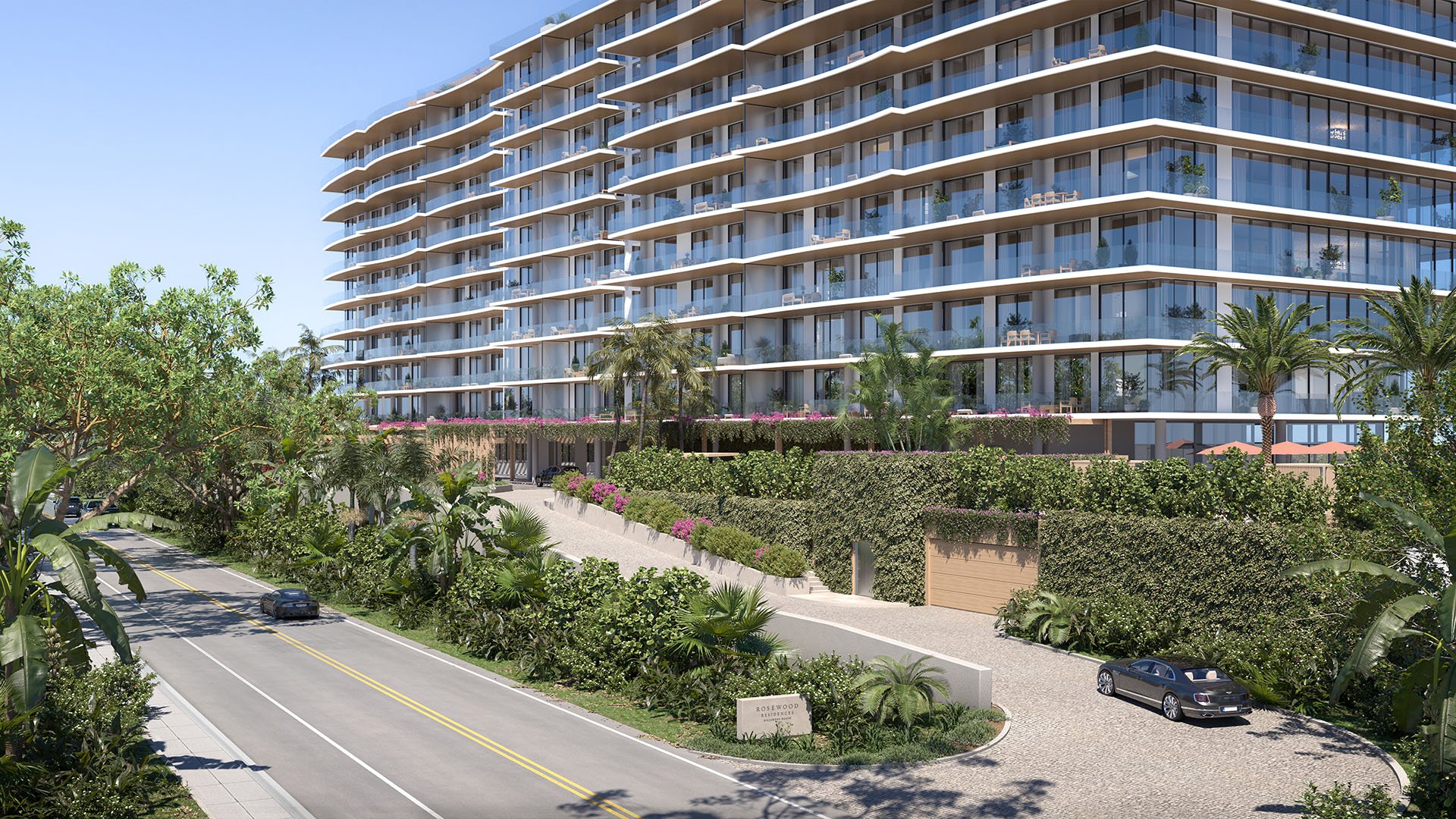
That lens is especially relevant for buyers weighing quiet beachfront ownership against the broader medical reach of Boca Raton and Fort Lauderdale. A residence such as Rosewood Residences Hillsboro Beach may appeal for privacy and coastal refinement, but a prudent family will still ask how its daily elegance translates into a clear labor-and-delivery plan.
Before asking about capacity, identify the intended delivery setting. The essential question is not only, “What is nearby?” It is, “Where will my physician or midwife admit patients, and what happens if that location is full?” Preferred doctors, insurance arrangements, hospital privileges, private-room policies, neonatal support, and transfer protocols all shape the real answer.
For a buyer, that means speaking with medical providers before closing, not after move-in. Ask which facilities are realistically available to your household, whether your care team has admitting privileges there, and how often patients are redirected during high-demand periods. If a private birth experience is important, ask whether private rooms are standard, requested, or dependent on availability.
The most useful answers are operational. Who do you call first? At what point are you instructed to come in? If the primary delivery unit is at capacity, who selects the alternative? Will your physician still attend, or does another on-call team step in? Luxury buyers are accustomed to bespoke service, but labor-and-delivery care follows clinical protocols first.
A sophisticated buyer should ask about delivery-room capacity in practical language. How many labor rooms are typically available? Are triage rooms separate from delivery rooms? Is there a dedicated operating room for obstetric emergencies? How does the unit manage scheduled procedures alongside spontaneous labor? What happens during a surge in demand?
The goal is not to demand certainty. Capacity changes hour by hour. The point is to understand how the system performs under pressure. Ask whether expectant parents are ever asked to wait, whether overflow areas are used, and whether transfers are arranged by the hospital or by the patient’s care team.
Privacy should be addressed with care. High-net-worth families may need discretion around arrivals, security, visitors, staff, and communications. Ask whether there is a private intake path, whether aliases or restricted visitor lists are permitted, and how family members, drivers, household staff, or security personnel are handled on the day of delivery.
Buyers comparing nearby coastal residences, including Armani Casa Residences Pompano Beach or The Ritz-Carlton Residences® Pompano Beach, should run the same exercise. The address may change, but the question remains constant: can the home, the route, and the care team work together without improvisation?
In Hillsboro Beach, Waterfront living often involves a precise choreography of roads, bridges, gates, porte cochères, elevators, and private garages. That choreography should be tested as part of prenatal preparation. Drive the likely route to the intended delivery facility at different times of day. Consider school traffic, seasonal visitors, rain, special events, and bridge openings where relevant.
Ask your property manager or building team how emergency access works. Can an ambulance reach the entry without delay? Is there a preferred service elevator if a resident cannot comfortably walk? Does the security desk know how to handle urgent medical arrivals? In a single-family estate, are gates, guest-house drives, and motor courts configured for rapid access?
This is not alarmist. It is the same standard of planning a serious buyer would apply to yacht dockage, art handling, hurricane preparation, or a principal’s security detail. The most serene homes are often those where complex logistics have already been made invisible.
Hillsboro Beach offers a quieter coastal posture than many of South Florida’s more urban luxury markets. That privacy is a defining advantage, but buyers should compare it with the broader support network they expect to use. For some families, proximity to Boca Raton may be central. For others, Fort Lauderdale offers the professional and household infrastructure they already know.
If a buyer is evaluating Alina Residences Boca Raton alongside a Hillsboro Beach purchase, the comparison should include more than restaurants, clubs, schools, and resale tone. It should include the obstetric providers, pediatric planning, postpartum support, household staffing, and emergency routing that fit the family’s actual life.
The same applies farther south. A residence such as Auberge Beach Residences & Spa Fort Lauderdale may place a buyer in a different daily rhythm, with different access patterns and care-team options. The best purchase is not necessarily the closest address to a hospital. It is the address that aligns privacy, medical preference, family support, and confidence under time pressure.
The sales gallery is not the only place to ask questions. Ask the association, property manager, concierge, or estate manager how medical events are handled. Is there a written emergency protocol? Are staff trained to direct first responders? Are elevators monitored during urgent calls? Are backup generators relevant to access control, lighting, elevators, or garage doors?
For high-floor residences, confirm whether emergency access procedures differ from ordinary resident access. For staffed buildings, ask how discretion is balanced with urgency. A doorman who knows the family by name, a security desk that understands visitor restrictions, and a manager who can clear an elevator may all matter on the day when minutes feel expansive.
For estates, ask whether gate systems have manual overrides, whether emergency contacts are current, and whether household staff know the preferred hospital, physician, and route. Families should keep a written birth logistics card in the home, with physician contacts, insurance details, childcare plans for siblings, pet instructions, and transportation preferences.
Delivery-room capacity should not dominate a Hillsboro Beach purchase, but it should refine it. A trophy view is more valuable when the household behind it is calm, informed, and prepared. For families planning children, hosting adult children, or purchasing a multigenerational retreat, maternity access belongs beside insurance, reserves, hurricane readiness, and privacy protocols.
The right standard is not perfection. It is clarity. Know the preferred delivery location, know the backup plan, know the route, and know how the residence performs when discretion and urgency meet.
Why should luxury buyers ask about delivery-room capacity before buying in Hillsboro Beach? Because a beautiful address should also support the family’s medical plan, especially when timing, privacy, and access matter.
Is the closest hospital always the best delivery choice? Not necessarily. Physician privileges, insurance, private-room policies, and clinical needs can matter more than simple proximity.
What is the most important capacity question to ask? Ask what happens if the preferred labor-and-delivery unit is full when you arrive.
Should buyers ask about private rooms? Yes. Private-room access may depend on availability, policy, and the facility’s operating conditions at the time.
How should a buyer test the route from a Hillsboro Beach home? Drive the route at different times and consider traffic, weather, gates, bridges, elevators, and emergency access.
Can a building concierge help during a medical event? A well-prepared team can help direct responders, clear access, and coordinate elevators, within the limits of its role.
What should estate owners prepare in advance? Keep gate access, emergency contacts, preferred routes, physician details, and household instructions current and easy to find.
Does Oceanfront living create special planning issues? It can. Coastal access patterns, storms, visitor traffic, and building logistics should be reviewed before they are urgent.
Should buyers compare Hillsboro Beach with Boca Raton or Fort Lauderdale? Yes. The comparison should include lifestyle, privacy, medical providers, postpartum support, and family logistics.
When should these questions be asked? Ask before closing, then revisit the plan during pregnancy or whenever the household’s medical needs change.
When you're ready to tour or underwrite the options, connect with MILLION.
If branded residences are on your mind — as a home or as an allocation — we would be glad to share what we are seeing, privately.
Begin a quiet conversation