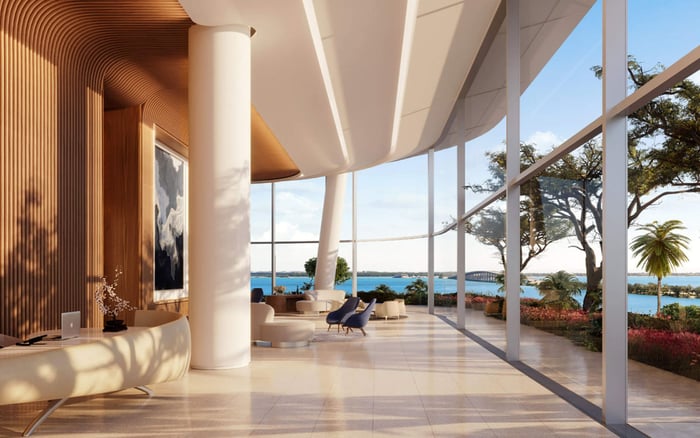
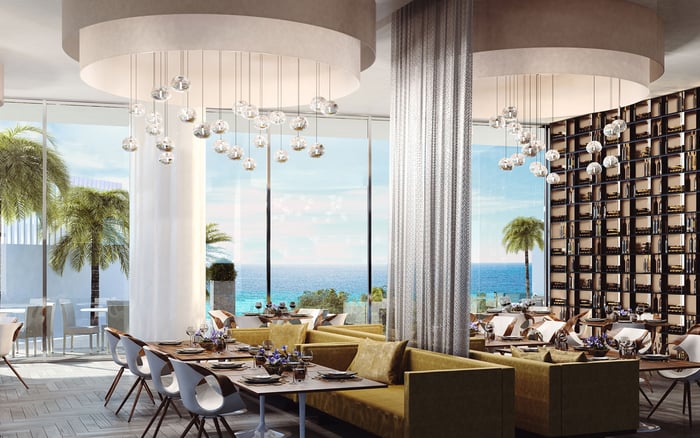
A buyer-focused guide to separating wellness language from enforceable resort spa access in South Florida luxury residential offerings.
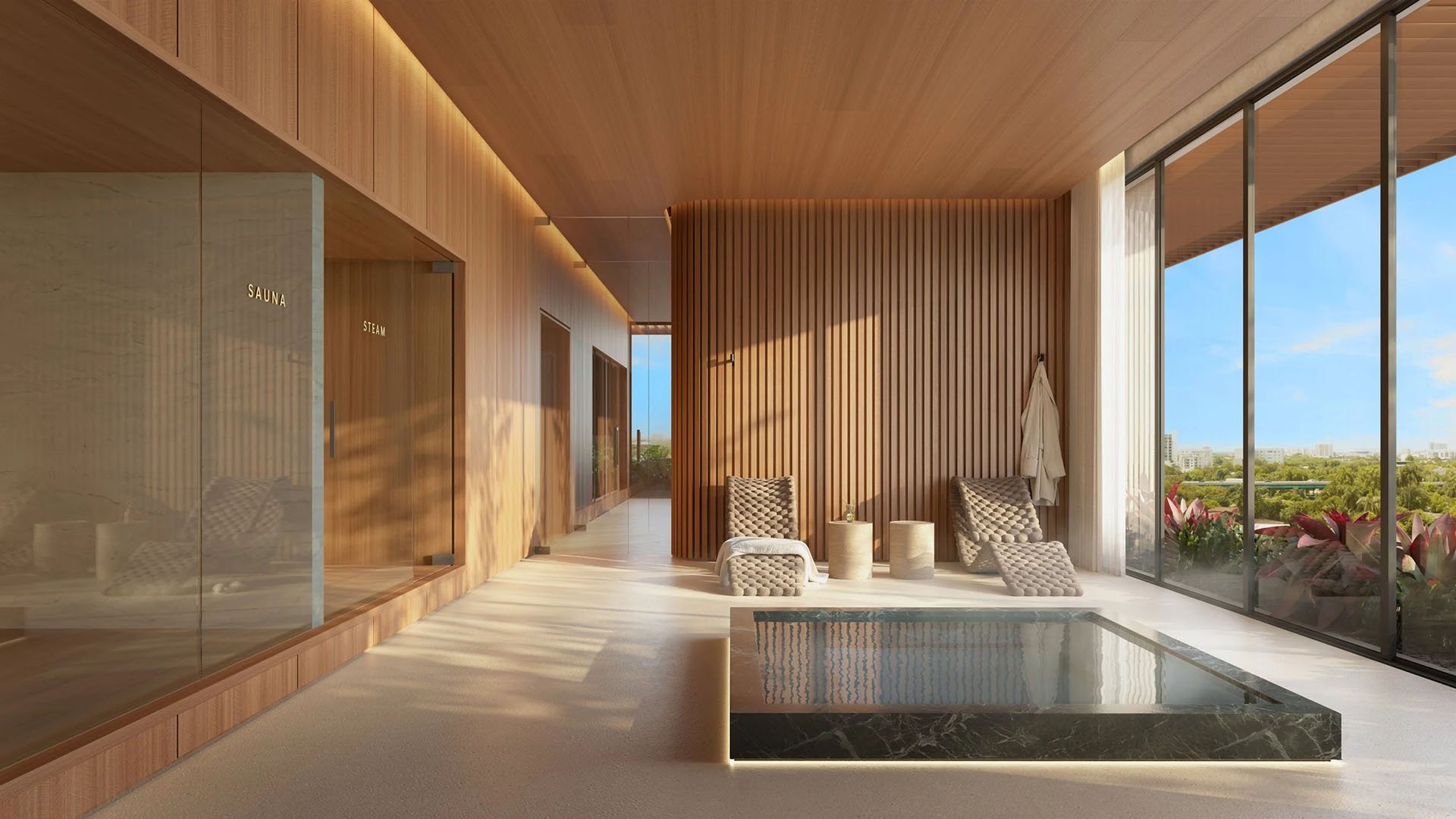
Wellness has become one of the most persuasive words in South Florida luxury real estate. It suggests privacy, restoration, beauty, performance, and a life that feels managed rather than merely owned. For a buyer considering Miami Beach, Brickell, Sunny Isles, or another ultra-prime enclave, that language can be seductive. Yet the phrase “resort spa access” deserves careful scrutiny before it becomes part of the purchase rationale.
The first question is not whether a property speaks beautifully about wellness. The more important question is whether the owner has a clearly defined right to use the spa, how that right is documented, and whether the experience will feel effortless in daily life. A residential brochure can create an atmosphere. A governing document, membership agreement, or operating protocol defines the reality.
For the discerning buyer, the goal is not skepticism for its own sake. It is precision. A spa is not simply a room with treatment tables. It is a system of access, staffing, scheduling, standards, payment, privacy, and capacity. If those elements are not clearly described, the wellness promise may be more aesthetic than operational.
Ask whether spa access is an ownership right, a membership privilege, a license, a hotel benefit, or a discretionary amenity. These categories can sound similar during a presentation, but they are not the same. A deeded or association-controlled amenity may be treated differently from access to a separately operated resort or club.
The buyer should ask: Is access written into the condominium documents, membership documents, purchase agreement, or a separate service arrangement? If access depends on a third-party operator, what happens if that operator changes? If the spa is part of a hotel or club, are residential owners prioritized, treated the same as hotel guests, or subject to availability?
The most elegant answer is usually a specific one. “Owners have access” is not as useful as a description of who qualifies, which areas are included, when access is available, what fees apply, and what can be modified later.
A spa can include many things: treatment rooms, thermal suites, saunas, steam rooms, plunge pools, relaxation lounges, locker rooms, salon services, fitness programming, recovery equipment, private consultation rooms, and outdoor wellness terraces. Not every buyer values each element equally.
Ask for a written breakdown of what is included without additional charge and what is charged separately. A buyer drawn to a pool, hydrotherapy circuit, or quiet relaxation room should verify whether those spaces are part of daily owner access or available only when booking paid treatments.
It is also wise to separate physical access from service access. You may be permitted to enter a spa lounge, but that does not necessarily mean you receive priority appointments, preferred pricing, complimentary treatments, or guest privileges. The distinction matters, especially in peak season, when demand can be concentrated and service capacity becomes the true luxury.
The most beautiful spa is less valuable if appointments are difficult to secure. Buyers should ask how far in advance owners may book, whether residential owners receive priority over hotel guests or club members, and whether prime appointment windows are protected for residents.
Blackout dates deserve direct attention. Are there holiday weekends, event weeks, high-season periods, or private buyouts that affect access? If a buyer intends to use the residence seasonally, the answer can materially affect the value of the amenity.
Also ask whether spa reservations are handled through a residential concierge, a hotel spa desk, a branded app, or an outside operator. A seamless experience is not accidental. It depends on staffing, systems, and the authority of the person managing the request.
Wellness feels effortless only when the cost structure is understood. Ask whether access is included in association dues, governed by a separate membership fee, billed per use, or tied to a minimum spend. If treatments are discounted for residents, confirm whether the discount applies to all services, selected services, weekday appointments, or specific providers.
A sophisticated buyer should also ask about gratuities, cancellation fees, guest fees, locker rental, private training, wellness consultations, and in-residence treatments. These items may not change the decision to buy, but they can change the owner experience.
For new-construction purchases, review whether projected spa operations are preliminary or already defined. Early marketing often presents the vision. The buyer’s task is to identify which details are contractual, which are subject to future rules, and which will depend on the operator selected closer to opening.
The word “owner” can conceal complexity. Does access extend to spouses, partners, children, extended family, tenants, guests, domestic staff, or visiting friends? Can an owner send a guest to the spa without being present? Are short-term occupants treated differently from long-term occupants? Are there age restrictions for thermal areas, locker rooms, or specific treatments?
For many South Florida buyers, the residence is both a personal retreat and a family gathering point. A wellness program that works beautifully for two adults may be less useful if it cannot accommodate adult children, parents, or guests in a predictable way.
Privacy is part of this conversation. Ask whether there are resident-only hours, private entrances, separate changing areas, or protocols for high-profile owners. In the top tier, privacy is not a bonus. It is part of the service standard.
Renderings can make a spa feel expansive, but the operating question is capacity. How many treatment rooms will serve the residence, hotel, club, or broader membership? How many lockers are available? What is the staffing plan? Will the spa be open seven days a week, and during what hours?
Buyers comparing oceanfront resort residences with urban wellness concepts should consider use patterns. A beach property may see concentrated demand after morning workouts and before dinner. An urban tower may see pressure before work, after work, and on weekends. The right question is not only “What is offered?” It is “How will this operate when everyone wants it?”
If the project includes a hotel component, ask how residential demand is protected. If the project is purely residential, ask how staffing levels will be sustained and funded over time. A spa is only as good as its daily management.
Luxury buyers often focus on the launch experience, but spa access should be evaluated over years. Ask who controls the spa rules and who can amend them. Can fees increase? Can hours be reduced? Can guest rights change? Can the operator be replaced? Can portions of the spa be reserved for events or private memberships?
These questions may feel technical, but they are essential. Wellness is a lifestyle promise with legal and financial architecture behind it. The more dependent the experience is on discretionary policies, the more a buyer should understand the mechanisms for change.
The best scenario is alignment among ownership, management, brand standards, and resident expectations. When that alignment is clear, spa access becomes a genuine residential asset rather than a line of marketing copy.
A refined sales presentation will show the mood: scent, stone, water, robes, calm lighting, perhaps a menu of restorative treatments. The buyer’s role is to ask the questions that convert mood into assurance.
Before signing, request the amenity rules, draft operating policies, membership terms, fee schedule, guest policy, and any documents that explain access rights. Ask your advisor to compare the language used in marketing with the language used in binding documents. If the two do not match, the document controls the lifestyle.
In South Florida’s luxury market, wellness can be a meaningful differentiator. It can shape the rhythm of a second home, support a primary residence, and elevate the sense of arrival after travel. But the value lies in clarity. When access, priority, payment, privacy, and control are all understood, the spa becomes more than a promise. It becomes part of the property’s lived intelligence.
What is the first question to ask about resort spa access? Ask what legal right gives owners access and where that right is documented.
Is spa access usually the same as free treatments? Not necessarily. Access may include entry to facilities, while treatments, services, and specialists may be separately charged.
Should I ask about priority booking? Yes. Priority booking can matter more than the amenity itself during peak demand periods.
Can guest privileges differ from owner privileges? Yes. Guest access, fees, age limits, and owner-presence requirements should be confirmed in writing.
Why do blackout dates matter? Blackout dates can limit access during holidays, events, or high-season periods when owners may most want to use the spa.
What should I review in a new-construction purchase? Review which wellness promises are contractual, which are draft policies, and which may depend on a future operator.
How do I assess whether the spa will feel private? Ask about resident-only hours, separate entrances, locker areas, privacy protocols, and appointment handling.
Are hotel-connected spas different from residential spas? They can be. The key issue is whether residential owners have priority or must compete with hotel guests and outside members.
Can spa rules change after purchase? They may change depending on the governing documents, operator agreements, and authority of the association or manager.
What makes a wellness amenity truly valuable? Clear access rights, reliable service, thoughtful capacity, privacy, and transparent costs make the amenity meaningful.
For a tailored shortlist and next-step guidance, connect with MILLION.
If branded residences are on your mind — as a home or as an allocation — we would be glad to share what we are seeing, privately.
Begin a quiet conversation