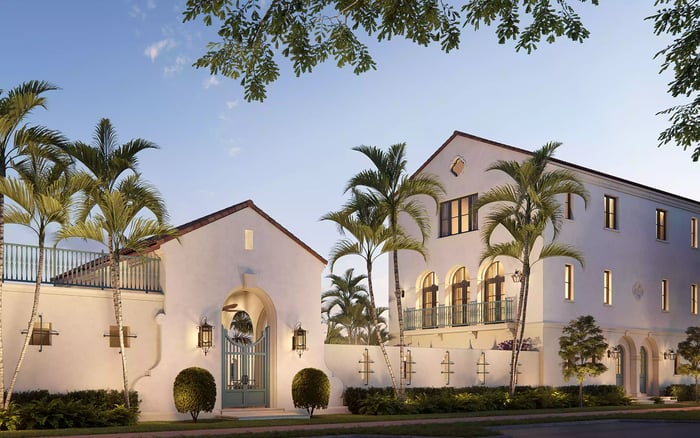
A practical due diligence guide for Coral Gables luxury buyers reviewing reserve studies, SIRS documents, milestone inspections, HOA budgets, and special-assessment exposure.
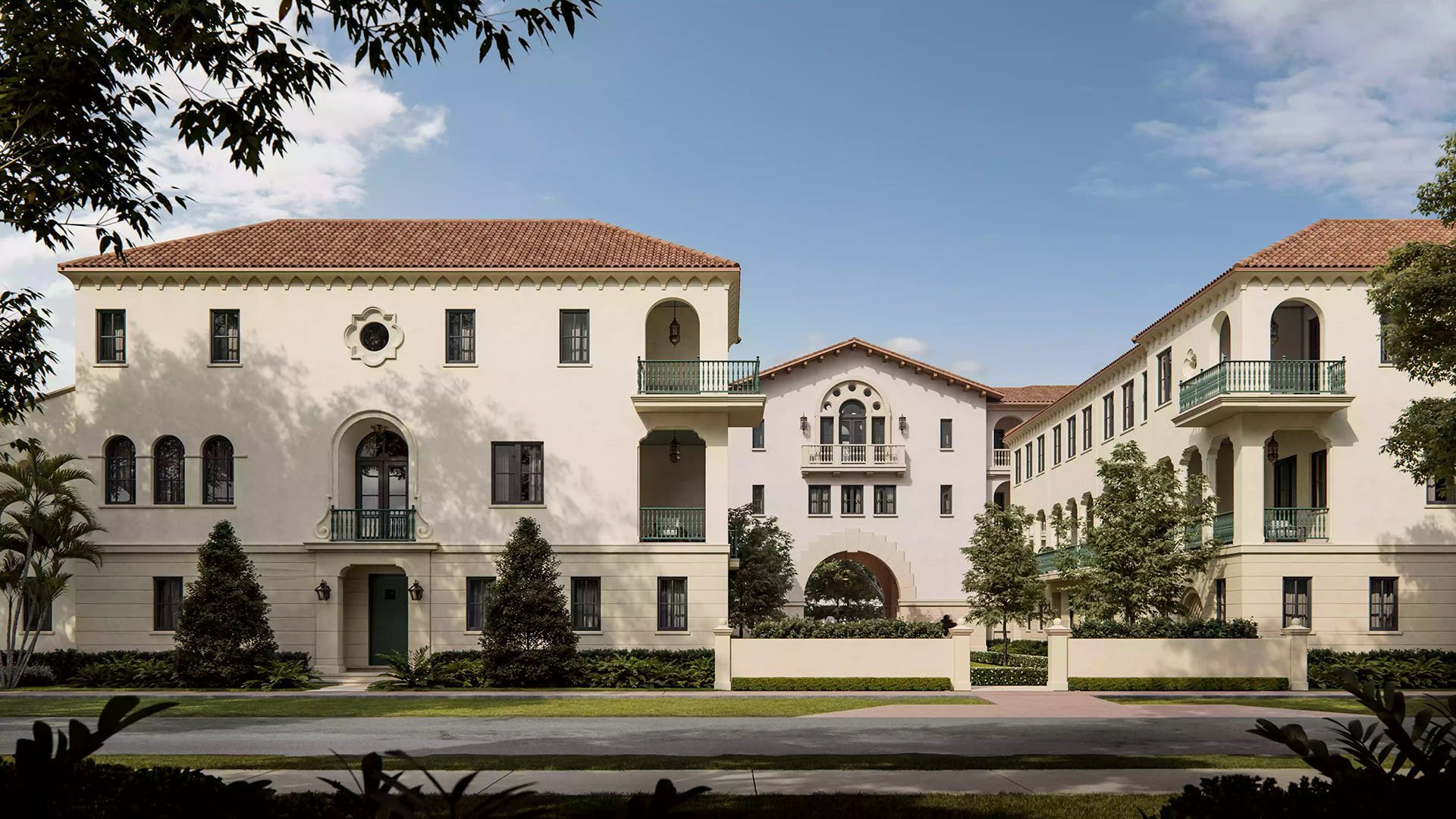
In Coral Gables, a luxury purchase is often judged first by architecture, privacy, landscape, and proximity to the city’s most established enclaves. Yet for discerning buyers, the quieter document set can be just as consequential. A reserve study is not merely an accounting exhibit; it is a financial portrait of how a building, villa community, townhouse association, or gated enclave expects to maintain its physical condition over time.
The essential question is not simply whether reserves are described as funded. That phrase can sound reassuring, but its meaning depends on assumptions: remaining useful life, replacement cost, deferred maintenance expense, inflation, interest earnings, and whether every material component has been considered. In a market where buyers may compare boutique Coral Gables offerings such as Cora Merrick Park with established condominiums, townhomes, or HOA-governed residences, the sophistication of the reserve analysis deserves the same attention as the floor plan.
Before asking about numbers, identify the legal and operating structure. A condominium, cooperative, and homeowners association may not handle reserves, inspection records, owner votes, or common-area obligations in the same way. The structure tells you which documents to request and which future costs may be shared by owners.
That distinction matters in Coral Gables, where buyers may encounter vertical condominium living, townhouse compounds, and single-family residences within associations. Ask for the current budget, reserve schedule, reserve ledger, recent board minutes, and special-assessment history when available. Resale buyers should also ask whether any reserve changes are being discussed but are not yet reflected in regular assessments.
This is the first filter: the ownership structure tells you which questions are mandatory, which are negotiable, and which gaps may become future owner costs.
A strong reserve study should never read like a vague statement that future repairs are anticipated. It should identify the major components the association expects to maintain, the assumed timing for each item, and the estimated cost basis behind the funding plan.
For a luxury buyer, the most revealing question is often: “What major component is not in the reserve schedule?” High-value amenities and building systems can create exposure if they are excluded or understated. In Coral Gables, that may mean scrutinizing waterproofing, exterior painting, windows, exterior doors, roof systems, electrical components, plumbing, pavement, fire-protection systems, and any expensive amenity or common-area feature that the association must maintain.
When considering newer residential settings such as Ponce Park Coral Gables, the questions may feel premature because finishes are fresh and systems may be early in their life cycle. They are not premature. Early assumptions become the foundation for future owner contributions.
Every reserve line item should connect to two core assumptions: estimated remaining useful life and estimated replacement cost or deferred maintenance expense. Ask how each number was calculated. Was the replacement cost based on a recent contract, a professional estimate, a prior invoice, or an internal projection? Has the board updated assumptions for changes in labor, materials, insurance-driven repair requirements, and building-system costs?
A dated study may understate real exposure if assumptions have not been refreshed. A roof with a long nominal life can become a near-term financial event if water intrusion, installation defects, or storm wear accelerate deterioration. Conversely, a line item can appear alarming if the cost assumption is stale or overly conservative. The buyer’s goal is not to argue every number down. It is to understand whether the budget is honest, current, and logically supported.
Also ask whether owners have ever voted to reduce or defer reserve contributions, and whether doing so affected specific components. A history of lower reserve contributions may explain attractive monthly dues, but it can also signal that prior owners pushed costs into the future.
If a Structural Integrity Reserve Study, commonly called a SIRS, applies to the property, request it early in diligence. Ask who prepared the study, what common elements were reviewed, which components were identified as material, and whether the funding plan has been incorporated into the association’s budget.
The SIRS conversation should be practical rather than cosmetic. A lobby can feel immaculate while waterproofing, facade work, roof systems, electrical infrastructure, plumbing, fire systems, or exterior openings carry future obligations. Buyers comparing Coral Gables with nearby Coconut Grove, including settings such as The Village at Coral Gables and surrounding neighborhood offerings, should keep the same discipline across every association structure.
A reserve study should be read alongside inspection and recertification materials when those documents exist. Ask whether milestone inspection reports, engineering correspondence, local recertification updates, or open repair items have been reviewed by the board and reflected in the reserve assumptions.
The next question is whether the reserve study has been updated to reflect those findings or upcoming deadlines. An inspection can identify work that is not yet fully priced into reserves. If the association has received reports, ask whether owners have been informed and whether the related work is separately budgeted, included in reserves, or expected to require a future assessment.
Because Coral Gables sits within Miami-Dade County, buyers should be especially attentive to any structural, electrical, or life-safety correspondence that may affect ownership costs. A reserve schedule that ignores known compliance or repair work is not complete enough for a luxury acquisition decision.
The most useful document request is concise: latest reserve study, SIRS if applicable, milestone inspection reports, recertification correspondence, current budget, reserve ledger, board minutes, and special-assessment history. Read them together, not separately. The reserve study may show the funding model, while the minutes reveal debate, delay, or emerging cost pressure.
Ask whether reserve funds are restricted for particular components and whether money collected for one purpose can be used for another. That matters because a reserve balance may look substantial in the aggregate but still be unavailable for a particular project.
For buyers focused on Coral Gables, the reserve conversation is ultimately about control. Elegant real estate is not only acquired; it is stewarded. The best associations make that stewardship visible through disciplined budgets, transparent assumptions, and timely inspection responses.
Is a fully funded reserve account enough protection? Not by itself. The phrase depends on whether useful-life, replacement-cost, inflation, and deferred-maintenance assumptions are current and complete.
What should I ask first when reviewing reserves? Start by confirming the ownership structure. Condominiums, cooperatives, and HOAs can differ in how they budget, vote, document, and share future costs.
What reserve line items deserve special attention? Focus on roofs, waterproofing, exterior openings, painting, pavement, plumbing, electrical systems, fire systems, and high-cost shared amenities.
Why does remaining useful life matter? It shapes how quickly the association may need to collect funds. A shorter assumed life can create pressure for higher dues or future assessments.
Should I ask who prepared the SIRS? Yes. Ask who prepared it, what was reviewed, which components were included, and whether its recommendations appear in the budget.
What if prior owners reduced reserve contributions? Ask when it happened, which components were affected, and whether the current funding plan has corrected the shortfall.
How can inspections affect reserves? Inspection findings can identify repair needs that should be reflected in updated reserve assumptions, budgets, or assessment planning.
Should Miami-Dade recertification materials be reviewed separately? Yes. Ask whether any structural, electrical, or related repair items remain open and whether the related work is separately budgeted.
Are HOA reserves evaluated the same way as condo reserves? No. HOA reserve practices can depend on governing documents, developer setup, owner votes, and the scope of shared assets.
Which documents should a Coral Gables buyer request? Request the reserve study, SIRS if applicable, inspection reports, recertification correspondence, budget, reserve ledger, minutes, and assessment history.
For a tailored shortlist and next-step guidance, connect with MILLION.
If branded residences are on your mind — as a home or as an allocation — we would be glad to share what we are seeing, privately.
Begin a quiet conversation