A discreet buyer’s guide to evaluating pet-friendly daily life in Coral Gables, from building policies and arrival sequences to outdoor routines, finishes, staffing, and long-term resale discipline.
For buyers with animals, pet-friendly luxury in Coral Gables is not defined by a single amenity line. It is defined by whether the day unfolds elegantly at 7 a.m., after dinner, during a storm, and when houseguests, children, staff, and pets move through the residence at the same time.
The most sophisticated buyers map the pet’s routine before comparing finishes. Where does the dog exit the residence? Which elevator is used? Is the lobby sequence calm or theatrical? Can a wet leash, a carrier, or a visiting groomer move through the building without turning a private moment into a public performance? In Coral Gables, where residential poise is part of the value proposition, the best pet fit often feels almost invisible.
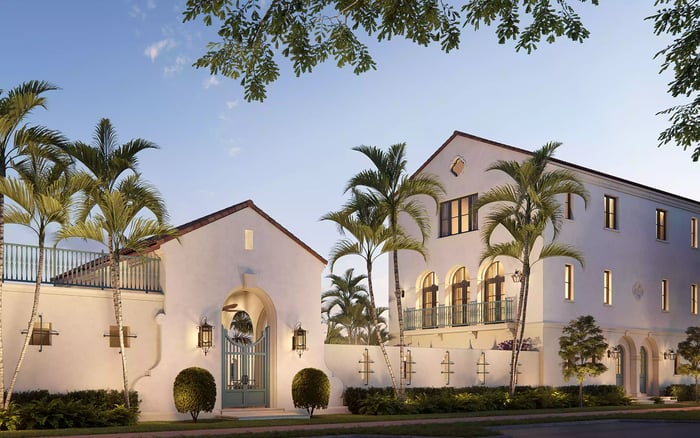
This is especially important for buyers considering new or boutique residences such as Ponce Park Coral Gables, where lifestyle evaluation should extend beyond square footage into the choreography of daily movement.
Before a buyer falls in love with a floor plan, the pet policy deserves the same attention as the budget, reserves, parking, and alteration rules. Ask for the current governing documents and any pet-related house rules. Weight limits, breed restrictions, number-of-pet limits, service animal procedures, vaccination requirements, guest pet rules, elevator protocols, and damage provisions can materially affect ownership comfort.
A buyer should also understand enforcement culture. A rule that exists on paper but is inconsistently enforced can create friction between residents. A rule that is rigidly enforced may be ideal for one household and restrictive for another. The correct answer is not always the most permissive policy. It is the policy that matches the owner’s actual life.
For some households, pets are part of the family’s identity. For others, a pet-friendly building is valuable because it signals flexibility for future resale. Either way, the policy should be reviewed before contract, not treated as a closing-week detail.
Luxury buildings are often judged by arrival, yet pet owners should judge the secondary arrival just as carefully. A dog returning from a rainy walk, a pet sitter arriving with key authorization, or a veterinarian making a house call all reveal how a property truly functions.
During a private tour, buyers should walk the precise route from residence to street. Count the doors. Observe surface changes. Note whether the pet path intersects heavily with valet, concierge, package rooms, club rooms, or formal lobby seating. Consider whether a nervous dog would remain composed, whether an older dog would tolerate the distance, and whether a small dog in a carrier would feel protected during peak building hours.
At Cora Merrick Park, as with any refined Coral Gables address, the question is not simply whether pets are allowed. The question is whether the building’s circulation supports a graceful private routine.
Coral Gables buyers often appreciate greenery, sidewalks, and neighborhood scale, but pet routines still need to be tested against South Florida’s heat, humidity, rain, and seasonal intensity. A shaded route may be more valuable than a longer scenic walk. A nearby relief area may matter more than a dramatic amenity deck if the animal needs quick, predictable access.
A true dog-park preference should be examined practically. Is the buyer seeking socialization, exercise, convenience, or simply an occasional change of scenery? Not every pet benefits from a high-energy communal environment, and not every owner wants to depend on one. The stronger purchase decision evaluates public outdoor options, private outdoor space, and building policy together.
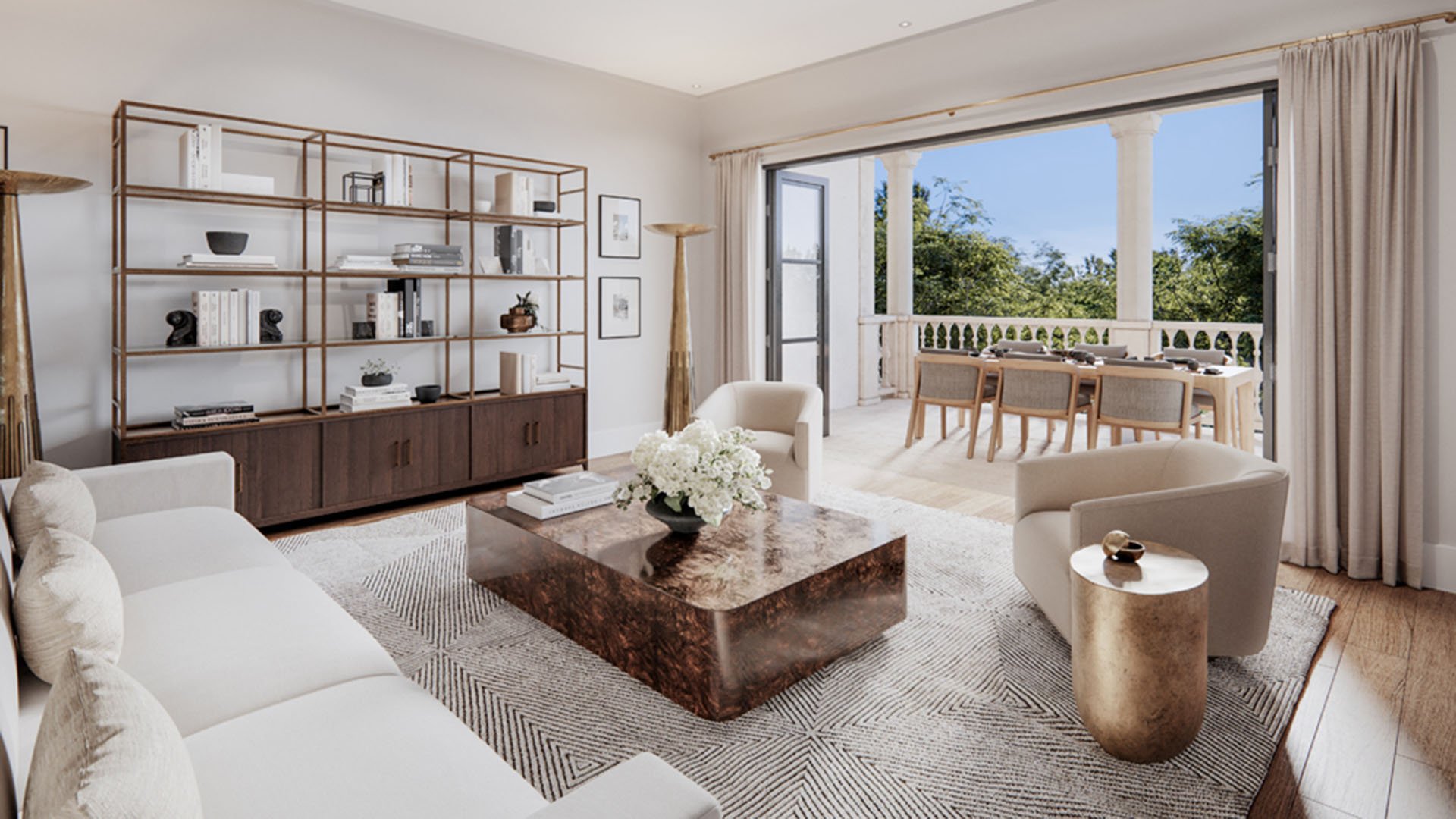
Balcony and terrace space can be meaningful, but buyers should be precise. Outdoor areas are not a substitute for proper walks, and rules may limit what can be placed or done there. Still, for a quiet morning coffee with a small dog nearby, or for giving a pet a calm transition before going downstairs, well-proportioned private outdoor space can materially elevate daily life.
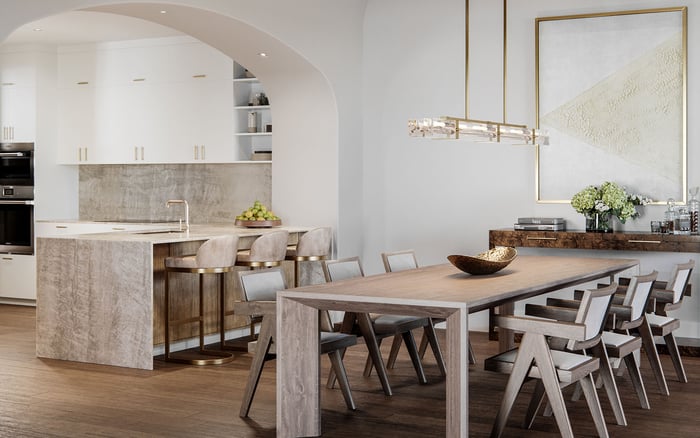
The most beautiful residence can become stressful if its finishes are poorly matched to pet ownership. Buyers should consider flooring durability, transitions between indoor and outdoor zones, ease of cleaning, millwork protection, acoustic control, and where pet supplies will be stored. A dedicated laundry area, utility closet, or discreet mudroom-style sequence can matter more than a decorative niche.
Ask how the building handles common-area maintenance after pet traffic. A polished lobby that is difficult to maintain may produce unnecessary tension. A service corridor that is practical, clean, and well managed can be a quiet luxury for pet owners.
In larger residences and townhome-inspired settings such as The Village at Coral Gables, buyers should study how interior thresholds, outdoor access, and storage can support pets without compromising design discipline.
For ultra-premium buyers, pet care is often integrated with household staffing. Dog walkers, sitters, groomers, trainers, drivers, and assistants may all interact with the building. The buyer should ask how vendors are registered, where they enter, how keys or digital access are handled, and whether recurring service providers are recognized by staff.
Privacy matters. A discreet staff culture can make pet ownership feel seamless, while poor procedures can create unnecessary exposure. The best buildings balance security with hospitality, creating a system in which pets are accommodated without making them a spectacle.
Buyers should also ask about emergency scenarios. If an owner is traveling, can an authorized caretaker access the residence efficiently? If a pet needs urgent attention, is there a clear process for notifying the owner or allowing approved entry? These are not dramatic questions. They are the quiet infrastructure of responsible ownership.
Pet-friendly living is communal. A residence may work beautifully for the owner, but acoustic conditions, hallway exposure, and neighboring layouts still matter. Buyers with vocal dogs should test the unit at different times of day if possible, paying attention to elevator proximity, service areas, and shared walls.
Resale should also be considered. In Coral Gables, a flexible pet posture can widen the future buyer pool, but only if the building’s rules are clear and the residence wears pet ownership lightly. Durable finishes, thoughtful storage, and private outdoor space may help preserve condition and presentation.
The most enduring luxury is not excess accommodation. It is compatibility. The right residence allows the pet routine to happen smoothly while preserving the calm, privacy, and architectural integrity that made the buyer choose Coral Gables in the first place.
Before signing, confirm the pet policy in writing, then walk the pet route in person. Review elevator rules, vendor access, outdoor options, cleaning protocols, insurance considerations, and any restrictions on temporary pet care or visiting animals. If the residence includes outdoor space, clarify what is allowed there.
A buyer should also imagine the least convenient day: heavy rain, a delayed flight, a pet sitter covering the evening walk, a nervous dog in the lobby, or an older pet moving slowly to the elevator. If the property still feels composed in that scenario, it is more than pet-friendly. It is lifestyle-aligned.
What is the first pet-related question a Coral Gables buyer should ask? Ask for the current pet policy and house rules before becoming attached to the residence.
Are pet amenities more important than building rules? No. Amenities are useful, but rules determine what daily ownership actually feels like.
Should buyers tour with their pet in mind? Yes. Walk the exact route from the residence to the street and evaluate every transition.
Do private outdoor areas solve pet routine concerns? Not entirely. They may add comfort, but they do not replace compliant walks or building rules.
Why do elevator procedures matter? They affect privacy, timing, cleanliness, and how comfortably pets move through the building.
Can pet policies affect resale? Yes. Clear, balanced pet policies can broaden appeal while preserving building harmony.
What should buyers ask about pet sitters or dog walkers? Ask how vendors are approved, logged, granted access, and managed by building staff.
Are boutique buildings always better for pets? Not always. A boutique building may feel calmer, but policy and circulation still matter most.
How should owners evaluate finishes for pets? Look for durability, cleanability, acoustic comfort, and discreet storage for supplies.
When should pet diligence happen in the purchase process? It should happen before contract, alongside legal, financial, and lifestyle review.
To compare the best-fit options with clarity, connect with MILLION.
If branded residences are on your mind — as a home or as an allocation — we would be glad to share what we are seeing, privately.
Begin a quiet conversation