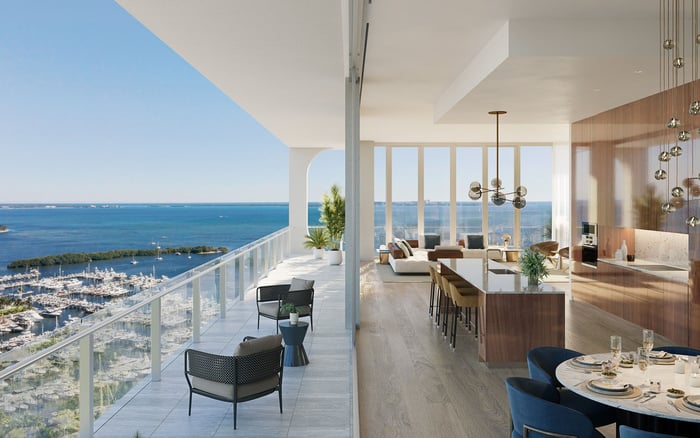
A discreet buyer’s guide to the insurance shift Toronto owners face when acquiring waterfront property in Coral Gables, from flood and windstorm to marine liability and excess coverage.

For a Toronto buyer, Coral Gables can feel familiar at first glance: established neighborhoods, private gardens, refined architecture, and a preference for discretion over spectacle. The insurance conversation, however, is fundamentally different. Toronto water-risk planning is often shaped by heavy rain, basement flooding, sewer backup, sump pumps, backwater valves, stormwater systems, and regulated floodplain mapping. Coral Gables waterfront ownership introduces coastal catastrophe planning, where windstorm, hurricane, flood, storm surge, liability, and sometimes marine exposures must be coordinated before closing.
For MILLION readers, this is a Buyer's Guides topic as much as a lifestyle decision: Coral Gables, Waterfront, Marina, Second-home, and Estates & Single-Family ownership each bring a distinct insurance lens. A Canadian homeowners policy should not be treated as a template for South Florida coverage. The stronger approach is to build a U.S. insurance program around the specific address, elevation, roof, openings, mortgage structure, rebuilding assumptions, personal liability profile, and waterfront use.
That discipline matters whether a buyer is studying a single-family home on a canal, a gated waterfront estate, or a refined urban alternative such as Ponce Park Coral Gables. In South Florida, insurability is not a final administrative detail. It is part of the economics of ownership.
The most elegant transaction can become strained if insurance is left until the week before closing. High-value Coral Gables buyers should seek insurance quotes and underwriting feedback before waiving contingencies, especially where flood zone, elevation, roof age, wind mitigation features, carrier appetite, and replacement-cost limits may materially alter ownership cost.
A Toronto buyer may be accustomed to checking overland water or sewer-backup endorsements in Ontario, then moving on. In Coral Gables, the property itself must be underwritten with far more coastal specificity. Distance to water, flood frequency, flood type, ground elevation, and estimated cost to rebuild can all influence flood pricing. Biscayne Bay and canal-front addresses are not interchangeable, even when they appear comparable on a lifestyle tour.
Before signing a firm offer, buyers should ask for a current elevation certificate if available, wind mitigation information, roof age, opening-protection details, prior coverage history where obtainable, and an early read from a qualified insurance advisor. For those comparing Coral Gables residences with nearby village-style or lock-and-leave options such as The Village at Coral Gables, the underwriting exercise may differ, but it should not disappear.
One of the most important planning points is deceptively simple: most homeowners insurance does not cover flooding. Flood insurance is usually a separate purchase, not an automatic component of a home policy. For Coral Gables properties in a Special Flood Hazard Area, a federally regulated or insured mortgage lender must require flood insurance. Cash buyers may not face the same lender mandate, but the absence of a lender requirement should not be mistaken for the absence of risk.
Luxury buyers also need to understand the scale of standard federal flood limits. National Flood Insurance Program coverage is capped at $250,000 for a one- to four-family residential building and $100,000 for contents. For a Coral Gables waterfront estate, those limits may represent only a small portion of the potential rebuilding or contents exposure. Excess flood or private flood coverage should be part of the conversation early, not a late-stage patch.
Storm surge deserves particular attention. It is an abnormal rise of water generated by a storm over predicted tides, and it is among the defining coastal hazards for Biscayne Bay properties. A home can be beautifully maintained, privately sited, and architecturally significant while still requiring serious flood planning. Buyers evaluating broader bayfront living, including addresses near Coconut Grove such as Vita at Grove Isle, should bring the same discipline to the insurance review.
Atlantic hurricane season runs from June 1 through November 30. For ownership planning, those dates are more than a calendar note. They affect preparedness, underwriting timing, binding restrictions, inspections, and the practical rhythm of a South Florida closing.
Windstorm coverage may be embedded, separately structured, or subject to specific deductibles depending on the policy and carrier. Roof condition, impact-rated openings, shutters, secondary water resistance, and other mitigation features can influence both insurability and premium. Florida’s hurricane-mitigation framework reinforces the point: resilience details are not merely construction trivia. They are part of the financial architecture of ownership.
Market structure also matters. Citizens Property Insurance Corporation functions as Florida’s insurer of last resort for eligible owners who cannot find private coverage or can find only substantially more expensive private coverage. Buyers relying on Citizens for wind or homeowners coverage should be aware that many personal residential policyholders face phased flood-insurance requirements. That can affect the total package, timing, and compliance burden.
Carrier oversight, rates, and market conduct are also relevant to the planning process. For a Toronto family entering Florida for the first time, the goal is not to become an insurance technician. It is to assemble advisors who can translate carrier stability, deductibles, exclusions, replacement-cost assumptions, and claim-service expectations into clear ownership decisions.
Waterfront homes often carry exposures that sit outside a standard homeowners conversation. If the property includes a dock, boat lift, tender, yacht access, or frequent guest use near the water, marine coverage and liability planning should be handled separately. Watercraft risks are commonly addressed through specialized insurance rather than a conventional homeowners policy.
Umbrella liability also deserves cross-border attention. A Toronto buyer may have Canadian personal liability coverage, U.S. homeowners liability, boat coverage, domestic staff considerations, entity ownership, guest use, and seasonal occupancy patterns. These layers should be coordinated so one policy does not assume another is responding. The most expensive gap is often not a missing policy, but an unexamined overlap that fails at the claim stage.
This is especially relevant for buyers comparing estate living with amenitized residences such as Cora Merrick Park, where the physical form of ownership may shift the risk profile. The questions remain similar: who is responsible for what, which perils are excluded, what deductibles apply, and how are limits coordinated across personal, property, flood, wind, marine, and umbrella coverage?
A thoughtful Coral Gables insurance review begins with mapping. Address-level flood-zone and flood-risk tools can help buyers evaluate a specific property before closing, while local flood-protection guidance and loss-reduction measures add context. Toronto buyers may be familiar with municipal basement-flooding programs and regional floodplain map viewers; in Coral Gables, the same mapping instinct should be redirected toward coastal flood zones, elevation, and surge context.
The next step is documentation. Ask for roof information, mitigation reports, elevation materials, prior flood details where available, and any records that help an underwriter distinguish a well-protected property from a merely attractive one. Then obtain quotes that reflect the intended ownership structure, whether personal, trust, corporate, or another advisor-approved arrangement.
Finally, model the full carrying cost. Premiums, deductibles, exclusions, excess layers, private flood alternatives, and marine coverage can affect the comfort of a purchase as much as taxes or maintenance. Toronto buyers are often highly disciplined about currency, residency, and tax planning. The same level of precision belongs in the insurance file.
Does my Canadian homeowners policy cover a Coral Gables property? It should not be assumed. A Coral Gables residence usually requires separate U.S. planning for homeowners, windstorm, flood, liability, and possibly marine exposures.
Is flood insurance always mandatory in Coral Gables? Not always, but it is mandatory for properties in a Special Flood Hazard Area when a federally regulated or insured mortgage lender is involved.
Does a standard homeowners policy include flood coverage? Most homeowners policies do not cover flooding. Flood insurance is typically purchased separately.
Are federal flood limits enough for a luxury waterfront home? Often they are not. Standard limits are capped at $250,000 for a one- to four-family residential building and $100,000 for contents.
What affects flood pricing for a Biscayne Bay or canal-front home? Distance to water, flood frequency, flood type, ground elevation, and cost to rebuild can all matter.
When is hurricane season in South Florida? Atlantic hurricane season runs from June 1 through November 30. Buyers should consider timing, preparedness, and underwriting restrictions around that period.
Why does roof age matter so much? Roof condition and wind-resilience details can affect carrier appetite, premium, deductibles, and the ability to secure coverage.
What is Citizens Property Insurance Corporation? It is Florida’s insurer of last resort for eligible owners who cannot find private coverage or only find substantially more expensive private coverage.
Do boats and docks need separate insurance planning? Yes. Watercraft, docks, yacht access, and marine liability are commonly handled through specialized coverage outside a standard homeowners policy.
When should I start the insurance review? Begin before waiving contingencies. Early underwriting feedback can clarify flood, wind, replacement-cost, and liability issues before the contract becomes difficult to unwind.
For a discreet conversation and a curated building-by-building shortlist, connect with MILLION.
If branded residences are on your mind — as a home or as an allocation — we would be glad to share what we are seeing, privately.
Begin a quiet conversation