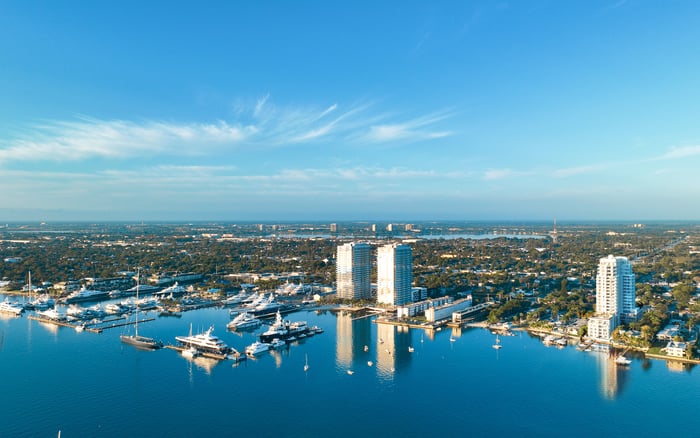
A discreet Palm Beach buyer’s guide to the questions that matter before taking title through a trust or LLC, from county records and Sunbiz visibility to homestead, financing, tax, and federal reporting considerations.
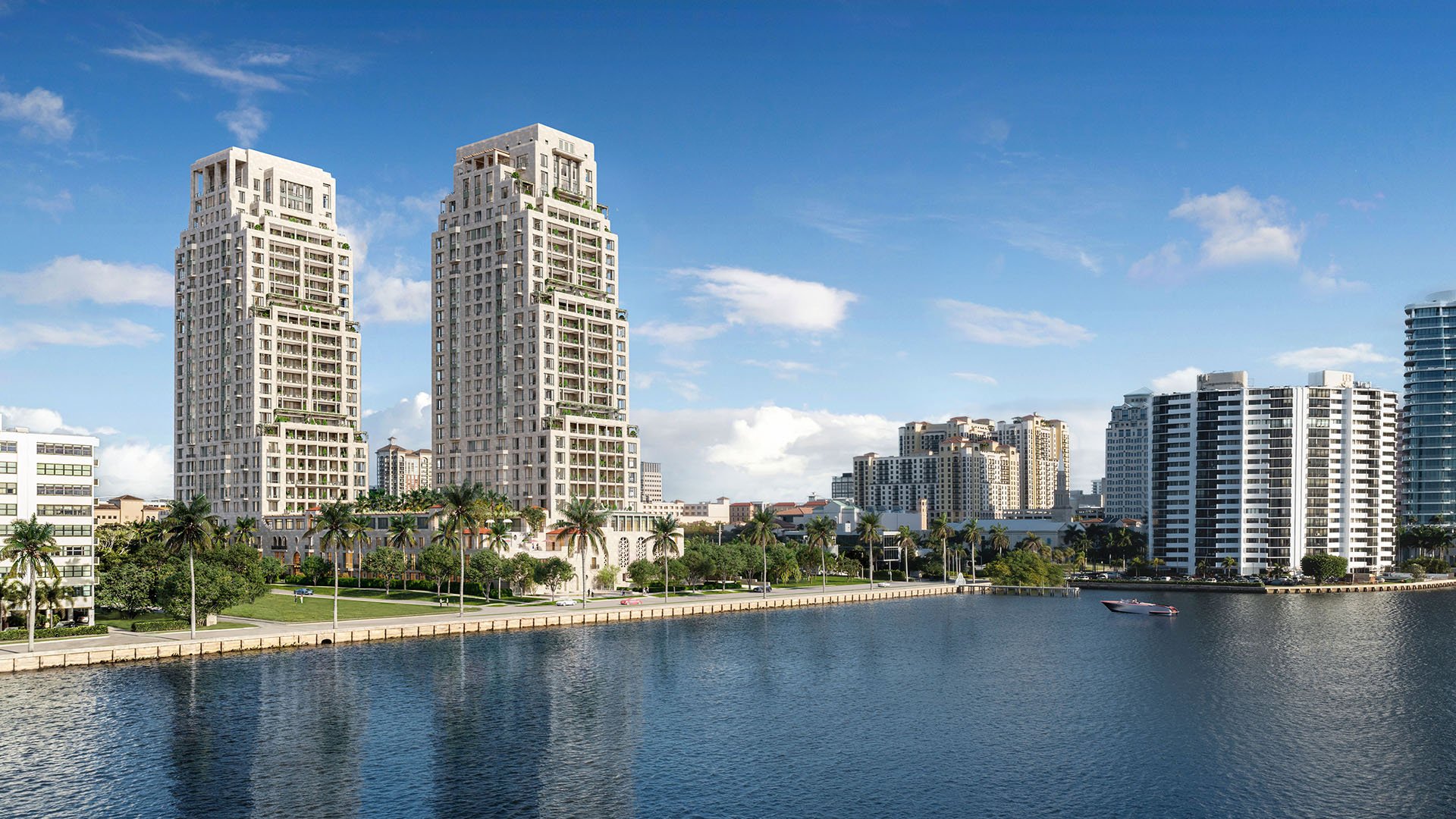
For a Palm Beach buyer, privacy is not a decorative preference. It is part of the acquisition architecture. The essential question is not simply whether to buy through a trust or an LLC. It is what will be visible, where it will appear, and who may be able to connect the dots after closing.
Florida gives the public broad access to government records, and real estate creates several record trails at once. A deed may be recorded in county official records. A mortgage may reveal a borrower. A tax roll may display ownership and mailing information. An LLC filing may be searchable at the state level. A lender, title agent, accountant, insurance broker and federal reporting framework may each require different forms of disclosure.
That is why a refined buyer should treat privacy as a pre-contract issue. Before selecting a residence at Palm Beach Residences or negotiating a waterfront estate, the ownership structure should be discussed with counsel, tax advisers, lending contacts and the title team. Restructuring later can be costly, imperfect and sometimes visible.
The first privacy question is basic: whose name appears on the deed, mortgage and related recorded instruments? Palm Beach County official records can include deeds, mortgages and other filings. Even if the buyer does not appear personally, the name of a trustee, trust, LLC, registered agent or mailing address may create a traceable path.
The second question is separate but equally important: what will appear on property-tax records? The property appraiser’s database is not the same thing as the deed book, but it can be just as revealing. Ownership name, tax mailing address and property details can be searched outside the recorded deed itself.
A dedicated privacy address may be preferable to a home address, family office address or recognizable business address. Repeated use of the same mailing address across multiple properties can link otherwise separate acquisitions. In Palm Beach, where buyers often hold a residence, a nearby office, a yacht-related property interest or a future development site, a single careless address can undo an otherwise sophisticated structure.
An LLC may help keep an individual name off the deed, but it does not make the acquisition invisible. Florida business-entity records are publicly searchable, and a Florida LLC filing strategy must account for the entity name, principal office, mailing address, registered agent and annual-report updates.
The naming convention matters. An LLC named after the property address, family name, yacht name or known holding company can reveal more than it conceals. The registered agent and mailing address matter as well. If the registered agent is the buyer’s longtime attorney, family office or another known entity, the privacy wall may be thinner than expected.
Buyers should also ask whether the LLC will be manager-managed or member-managed. Florida LLC law governs management rights, and the public-facing structure may reveal control details. The cleanest title name is not always the best operating structure, particularly when family governance, succession, liability segregation and lender requirements are all part of the decision.
A trust can be more aligned with estate planning than an LLC, especially for buyers focused on succession, probate avoidance or family governance. Florida law recognizes land trusts, and the beneficial interest in a land trust is treated as personal property. That can make a land trust an important privacy and planning tool in the right circumstances.
Still, the details matter. Ask whether the trustee’s name, the trust name or a trust memorandum will appear in the deed or other recorded instruments. A trust called the “Smith Family Palm Beach Trust” is not a privacy strategy. Nor is a trustee arrangement that points directly to a public-facing principal.
Revocable trusts, irrevocable trusts, land trusts, LLCs and layered structures serve different purposes. The right answer may depend on whether the residence is a primary home, a seasonal residence, a dynastic estate asset or part of a broader portfolio that includes West Palm Beach, Boca Raton, Miami or international holdings.
Investment, Second-home and New-construction buyers face a special challenge: the ownership vehicle often must satisfy more than privacy. It may also need to align with financing, insurance, property management, rental limitations, estate planning and tax treatment.
For example, a buyer considering Alba West Palm Beach may be thinking about long-term family use, a lock-and-leave lifestyle and future resale flexibility. A purchaser evaluating The Ritz-Carlton Residences® West Palm Beach may have additional questions about lender expectations, insurance documentation and how title should be shown for a branded condominium residence.
Portfolio buyers should also think beyond Palm Beach County. Owners with assets in Brickell, including residences such as The Residences at 1428 Brickell, may want consistency across entities, addresses and estate-planning documents. Consistency is useful, but overuse of the same visible address or entity pattern can make holdings easier to connect.
Privacy and homestead are not the same analysis. If the buyer intends to claim Florida homestead protection or a homestead tax exemption, counsel should review how trust or LLC ownership affects eligibility before title is chosen.
An ownership structure that obscures identity may not be ideal for constitutional homestead protection, creditor-planning goals or tax exemption requirements. The most private structure on paper may be the wrong structure for a primary residence. Conversely, a structure designed for estate planning may be less efficient for an investment residence.
The key is to decide the priority order before closing. Is the leading objective public-record privacy, homestead protection, estate continuity, liability segregation, financing execution or tax simplicity? In a sophisticated Palm Beach acquisition, the answer is often a hierarchy rather than a single goal.
A buyer should ask tax counsel whether moving title into or out of an LLC or trust after closing could create documentary stamp tax or other Florida transfer-tax consequences. Privacy planning done late can become expensive, and post-closing transfers may create new public records rather than reduce old ones.
If either party is foreign, FIRPTA withholding and reporting should be raised early because the rules can affect escrow, timing and closing mechanics. A buyer using an entity or trust should also ask whether the transaction is covered by federal residential real estate reporting rules for certain non-financed transfers to legal entities and trusts.
Current beneficial-ownership reporting guidance should be reviewed before forming or using an entity. Privacy from casual public search is different from confidentiality in lender, title, tax and federal reporting environments. The goal is not non-disclosure everywhere. The goal is lawful, deliberate disclosure in the right places and minimal accidental exposure in public-facing records.
Financing can change everything. Some lenders may lend to a trust or LLC, while others may require personal guaranties, beneficial-owner disclosure or a different borrowing structure. Those requirements should be known before the contract is signed, not days before closing.
The title agent should be asked to map every document that will carry a name: the closing statement, deed, mortgage, title policy, tax forms and post-closing notices. Privacy can be lost through closing documents even when the deed itself uses an entity. The buyer’s advisers should review the full paper trail as a system.
Before committing to a trust or LLC, a buyer should ask five practical questions. First, what will the public see in county official records? Second, what will the public see on the property-tax roll? Third, what will the state show for any LLC? Fourth, what will lenders, title agents, tax authorities and federal reporting rules require? Fifth, does the structure still support homestead, estate planning, insurance and future sale objectives?
The most elegant privacy plans are usually simple in appearance and rigorous underneath. They do not depend on secrecy. They depend on disciplined names, addresses, trustees, managers, entity records and closing documents. In Palm Beach, discretion is not an afterthought. It is part of the purchase price.
Is an LLC always more private than owning in my personal name? Not always. An LLC may keep your personal name off the deed, but state filings, registered-agent details and mailing addresses can still create public connections.
Can a trust keep my name out of Palm Beach County records? It may help, but the deed can still show the trustee, trust name or other recorded information. Counsel should review the exact deed language before closing.
Will the property appraiser show different information than the deed records? Yes. Tax-roll records are a separate visibility point and may show ownership and mailing information outside the deed records.
Should I use my attorney’s office as the mailing address? Possibly, but only after reviewing whether that address links you to other properties or entities. A dedicated privacy address may be cleaner.
Can I claim homestead if I buy through an LLC? Do not assume so. Homestead eligibility should be reviewed before choosing title, because privacy and homestead planning can point in different directions.
Is a Florida land trust useful for Palm Beach privacy? It can be useful in the right circumstances. The trust name, trustee and recorded documents still need careful design.
Can I transfer the property into an LLC after closing? Sometimes, but post-closing transfers may create tax consequences and new public records. Ask tax counsel before relying on a later transfer.
Will my lender allow a trust or LLC borrower? That depends on the lender. Ask before signing the contract because financing terms, guaranties and disclosure requirements can affect the structure.
Do federal reporting rules eliminate privacy? They do not necessarily make information public, but they can require disclosure in specific covered transactions. Public-record privacy and regulatory reporting are different issues.
When should I assemble the privacy team? Before the offer is finalized. Attorney, CPA, lender, title agent and insurance adviser should coordinate before contract deadlines begin.
For a tailored shortlist and next-step guidance, connect with MILLION.
If branded residences are on your mind — as a home or as an allocation — we would be glad to share what we are seeing, privately.
Begin a quiet conversation