A discreet buyer guide to using portfolio leverage when moving capital from Dallas into West Palm Beach luxury real estate, with emphasis on liquidity, underwriting, timing, and asset selection.
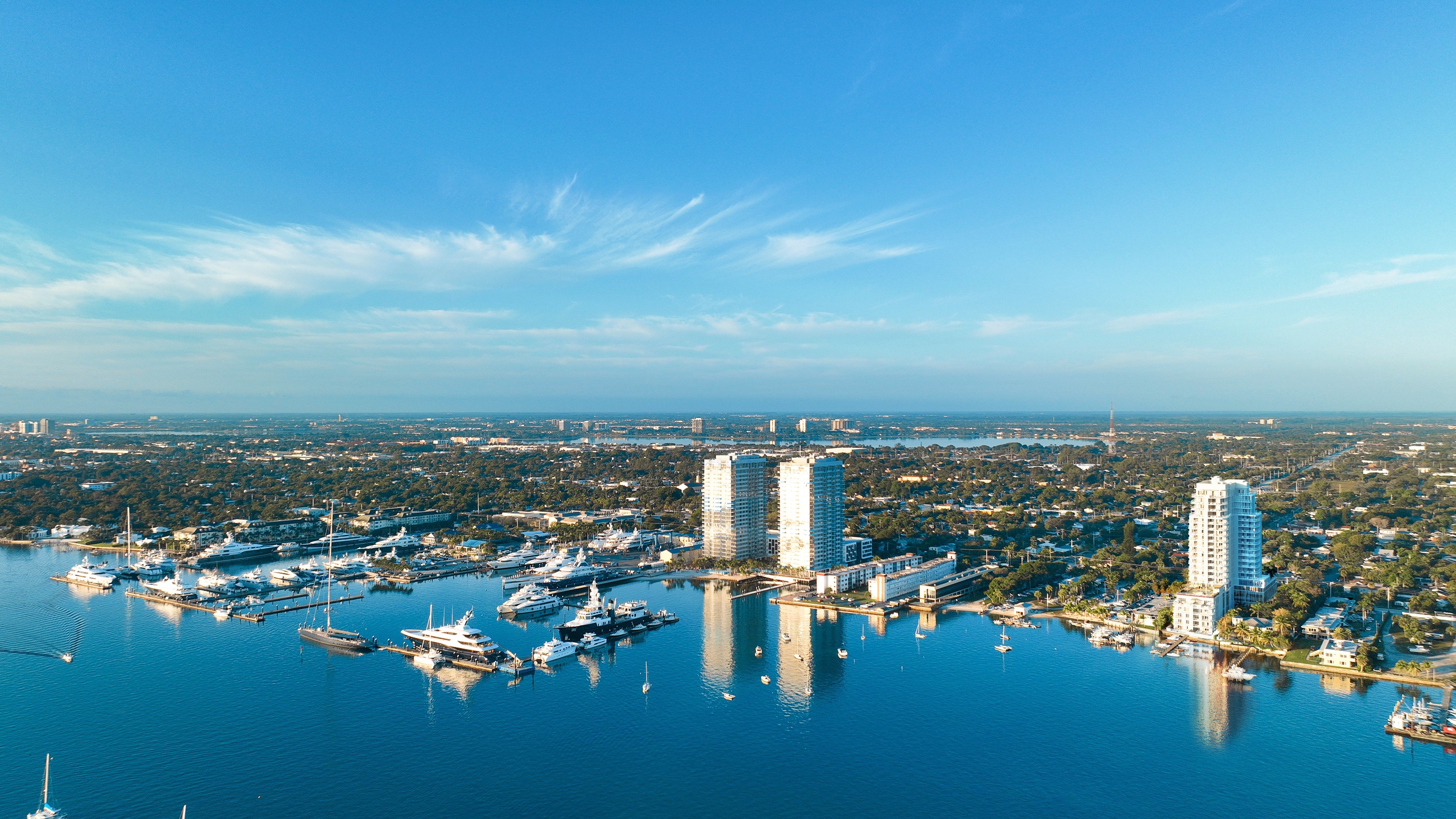
For a Dallas buyer considering West Palm Beach, the first conversation is rarely about square footage. It is about balance-sheet architecture. Portfolio leverage can turn a luxury real estate acquisition into a liquidity strategy, allowing a buyer to preserve invested assets while pursuing a residence that supports family, tax, lifestyle, and legacy goals.
That does not make leverage inherently aggressive. In the ultra-premium segment, disciplined buyers often use debt not because they need to, but because they value optionality. They may want to keep a concentrated securities position intact, avoid triggering a taxable sale, maintain operating capital for a private business, or bridge timing between a Dallas disposition and a Florida acquisition.
The key is to treat leverage as a tool, not a thesis. A residence still has to stand on its own merits: location, privacy, build quality, service, maintenance burden, exit depth, and fit with the family’s real use pattern.
Portfolio leverage generally refers to borrowing against eligible assets rather than relying only on the property being purchased. The collateral may sit outside the home itself, while underwriting may focus on liquidity, asset quality, concentration, and the borrower’s broader financial profile.
For luxury buyers, this can create several advantages. It may accelerate the ability to make a strong offer, reduce the need to sell investments under pressure, and create a cleaner transition into a Second-home purchase. It may also help coordinate multiple moving parts, including a primary residence in Dallas, a business liquidity event, a family office allocation, and a Florida closing calendar.
The limitation is just as important. Portfolio leverage can introduce market exposure, margin calls, rate sensitivity, and covenant discipline. A buyer should understand how the loan behaves if asset values move, rates reset, or the property takes longer than expected to close, renovate, or resell. The cleanest structure is often the one that remains comfortable under stress, not simply the one with the most elegant pricing.
Dallas and West Palm Beach share a preference for privacy, service, and low-friction living. Many buyers arriving from Texas are not seeking a louder version of their current life. They are seeking waterfront calm, cultural access, club proximity, secure buildings, and a residential rhythm that can support seasonal stays or eventual relocation.
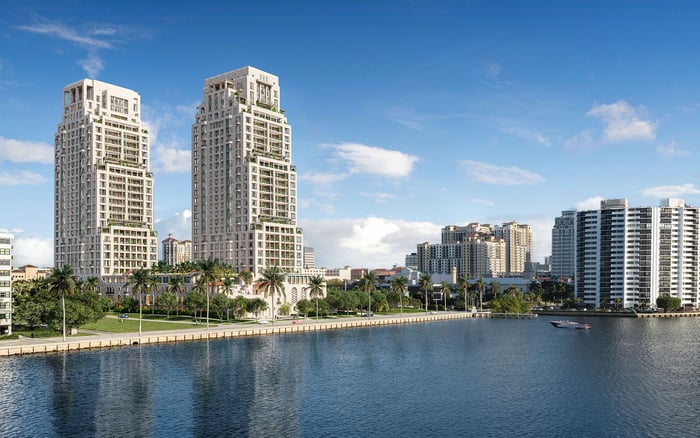
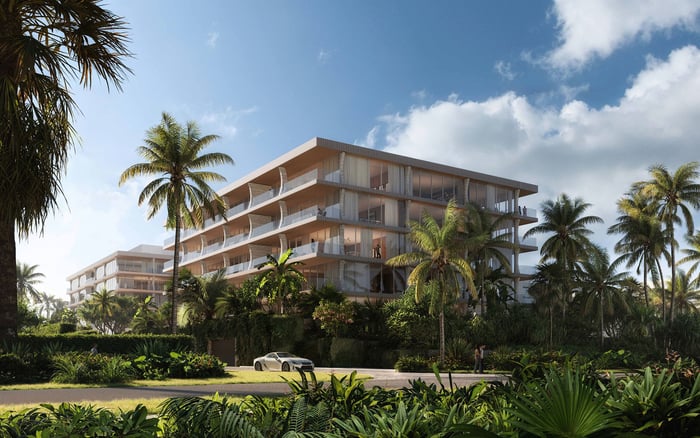
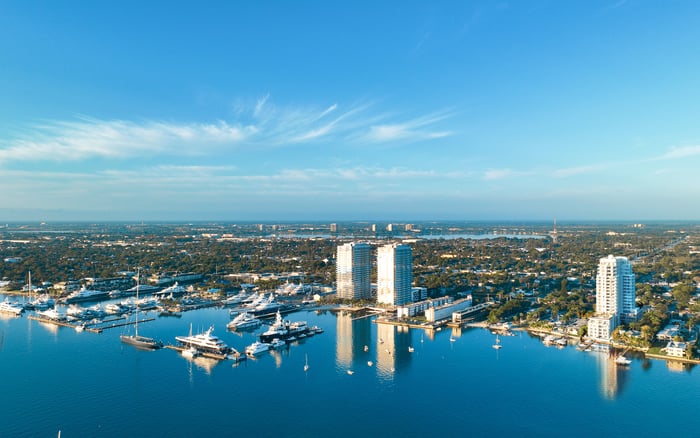
This is where West Palm Beach holds a distinct advantage for balance-sheet-oriented buyers. The market offers condominium living with lock-and-leave convenience, new residential towers with service infrastructure, and a Palm Beach-adjacent lifestyle without requiring every buyer to pursue a single-family estate. For some, Alba West Palm Beach represents the type of residence that can be evaluated not only as a home, but as a managed lifestyle asset within a larger portfolio.
The language of the purchase should remain practical. Is the residence meant for winter use, eventual full-time occupancy, family visits, or long-horizon wealth placement? A buyer who is honest about use will structure leverage more intelligently than one who begins with prestige and works backward.
The most common mistake in luxury leverage is a mismatch between the debt and the plan. A short-term liquidity solution may be appropriate for a bridge, but uncomfortable for a long-term hold. A flexible securities-backed facility may feel efficient until market volatility changes the collateral conversation. A traditional mortgage may offer familiarity, but may not align with a buyer’s asset profile or timing.
Before touring, a Dallas buyer should define the intended hold period in plain language. If the West Palm Beach residence is a multi-year family anchor, the loan should prioritize durability. If it is a transitional purchase before a larger Palm Beach move, flexibility may matter more than absolute rate. If the acquisition is tied to New-construction, the buyer should consider deposit schedules, completion uncertainty, and the possibility that personal liquidity needs change before closing.
Buildings such as Forté on Flagler West Palm Beach invite this more nuanced thinking because the purchase is not merely a transaction. It is a commitment to a lifestyle timeline, a service model, and a capital plan.
Portfolio leverage can make the acquisition feel seamless, but the property itself still carries the long-term risk. Monthly carrying costs, insurance environment, association reserves, service expectations, and future buyer depth all matter. For a buyer accustomed to Dallas single-family ownership, condominium governance and shared building economics deserve careful review.
The strongest approach is to underwrite the residence in three layers. First, the personal layer: Will the family actually use it enough to justify the commitment? Second, the financial layer: How does the purchase affect liquidity, taxes, debt capacity, and estate planning? Third, the property layer: Is the asset differentiated enough to remain desirable in a more selective resale environment?
For buyers focused on service and brand alignment, The Ritz-Carlton Residences® West Palm Beach may enter the conversation because hospitality-driven living can reduce friction for seasonal owners. That value should be measured against carrying costs and the family’s actual preference for staffed residential environments.
A Dallas buyer may compare West Palm Beach with Brickell, Miami Beach, Boca Raton, or Palm Beach Gardens. That comparison is useful, provided it does not blur the thesis. Brickell may suit a buyer who wants a more urban, financial-district lifestyle, and St. Regis® Residences Brickell offers a very different ownership profile from a quieter Flagler Drive residence.
The question is not which market is universally better. The question is which exposure belongs in the portfolio. Investment logic varies by use. A pied-à-terre used six weeks a year should not be financed or underwritten like a primary residence. A family base intended for eventual relocation should not be judged only by short-term liquidity. A trophy purchase may be emotionally rational, but it still needs a disciplined capital stack.
For high-net-worth buyers, reserves are often more important than headline borrowing power. A lender may approve a structure, but the family office or advisor may still prefer a lower advance rate, a larger cash buffer, or a staged purchase strategy. This is particularly relevant when the same balance sheet supports a business, private investments, philanthropic commitments, and multiple homes.
A strong reserve plan can prevent forced decisions. It allows the buyer to handle market volatility, unexpected assessments, furnishing costs, tax timing, or a delayed liquidity event without disturbing the real estate plan. It also makes negotiations calmer. Sellers and developers respond to certainty, and certainty is easier to project when the buyer’s liquidity is not stretched to its edge.
For MILLION clients, the most elegant purchase is usually the one that feels quiet after closing. The residence works, the debt is not intrusive, and the portfolio remains resilient.
Is portfolio leverage the same as a mortgage? Not necessarily. A mortgage is secured primarily by the property, while portfolio leverage may involve other eligible assets as collateral.
Why would a cash-capable buyer use leverage? Some buyers prefer to preserve liquidity, avoid selling investments at an inconvenient time, or coordinate a larger financial plan.
Is leverage risky for luxury real estate? It can be if the structure is too aggressive. The risk depends on collateral, rates, covenants, liquidity, and the buyer’s reserve position.
Should Dallas buyers arrange financing before touring? Yes. A clear capital plan helps define price range, timing, negotiation posture, and the type of property that fits the portfolio.
Does portfolio leverage work for New-construction purchases? It can, but buyers should consider deposit timing, closing uncertainty, and liquidity needs between contract and completion.
How should a Second-home be underwritten? Start with actual use, then evaluate carrying costs, liquidity impact, tax planning, and potential resale depth.
Is West Palm Beach different from Palm Beach? Yes. The lifestyle, property format, and ownership experience can differ materially, even when the two markets are closely connected.
Can leverage help with a Dallas sale and Florida purchase? It may help bridge timing, but the structure should be reviewed carefully so the buyer is not pressured by market or closing delays.
What should buyers ask their advisors first? Ask how the purchase affects liquidity, taxes, estate planning, investment concentration, and risk tolerance under a stressed scenario.
What is the best leverage strategy? The best strategy is the one that supports the buyer’s life plan while keeping the portfolio durable and the residence easy to own.
For a confidential assessment and a building-by-building shortlist, connect with MILLION.
If branded residences are on your mind — as a home or as an allocation — we would be glad to share what we are seeing, privately.
Begin a quiet conversation