A discreet buyer’s framework for testing whether a West Palm Beach residence supports the real rhythm of second-home ownership before purchase.
A second home in West Palm Beach should not be evaluated as a beautiful object alone. It should be tested as a recurring pattern of life. The right residence shortens the distance between arrival and ease, between a long week elsewhere and a morning that feels already composed. For the ultra-premium buyer, that rhythm is not incidental. It is the reason to purchase.
A second-home decision begins with a candid question: how often will the residence be used, and in what state will the household arrive? Some buyers come for extended winter stays. Others arrive for long weekends, family gatherings, private dinners, cultural plans, or quiet recovery. Each pattern places different demands on the building, the floor plan, the service culture, and the neighborhood.
This is a Buyer's Guides exercise as much as a design decision. The most successful purchasers do not start with the prettiest view. They begin with the calendar. They map the first hour after arrival, the first morning, the final night before departure, and the weeks when no one is in residence. A polished second-home rhythm is what remains elegant even when the owners are not there to manage it.
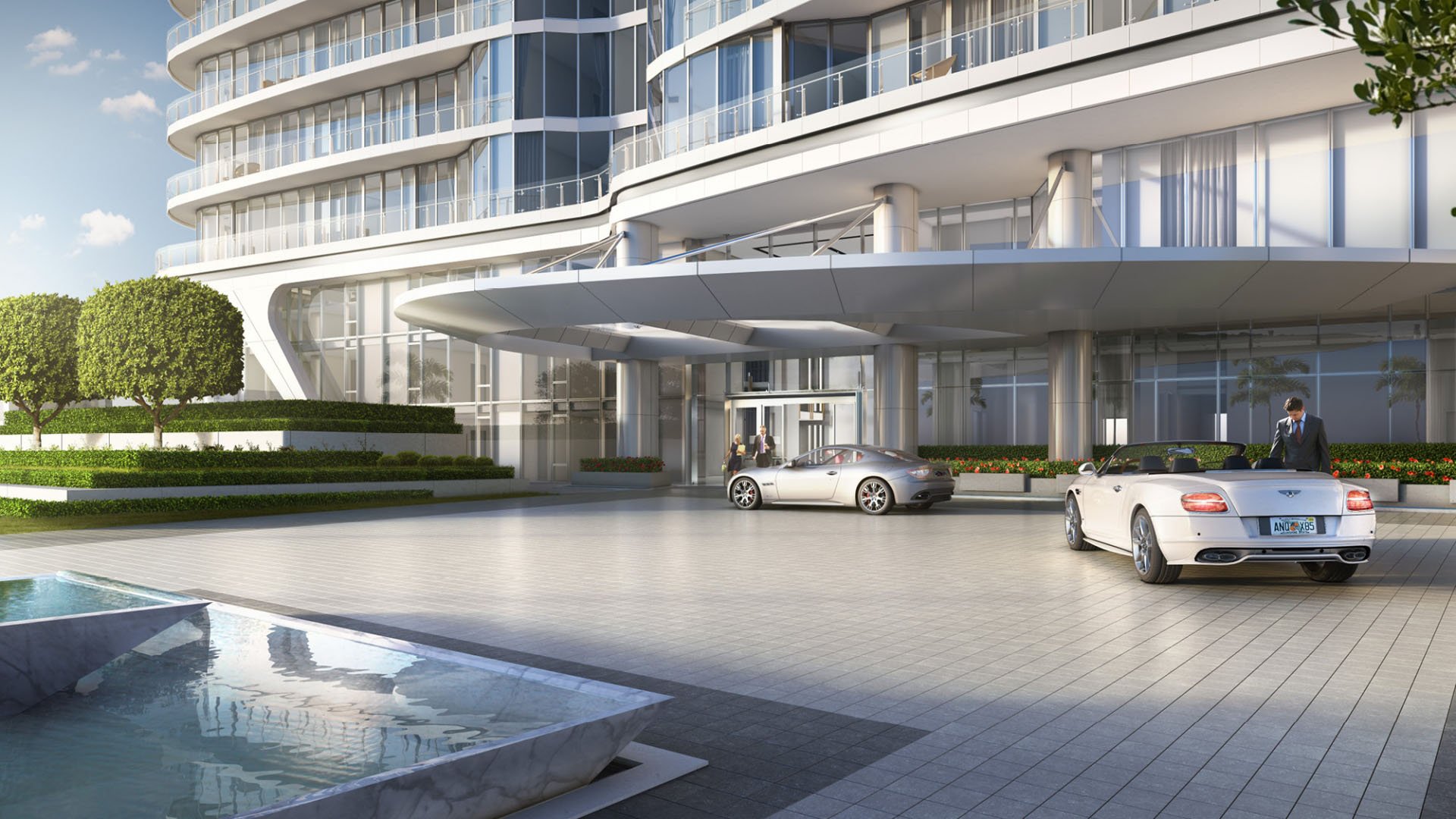
Before falling in love with a residence, rehearse the arrival. Where does the car stop? How is luggage handled? Does the transition from curb to private space feel discreet or performative? Can guests arrive without complication? Is there a comfortable sequence for family, staff, pets, packages, and the occasional unexpected delay?
Luxury buyers often tour during ideal conditions, yet second-home ownership is defined by repetition. A building that feels serene once should still feel serene after a late arrival, a rainy afternoon, or a quick turnaround between obligations. The experience should not depend on the owner improvising each visit.
When comparing residences such as Alba West Palm Beach and Forté on Flagler West Palm Beach, the question is not simply which presentation feels more impressive. It is which setting best supports the way the buyer will actually enter, settle, entertain, rest, and depart. A polished arrival is quiet, legible, and repeatable.
Second-home ownership is as much about absence as presence. The residence must sit gracefully between visits. Buyers should understand building access, maintenance coordination, package procedures, housekeeping logistics, storm preparation practices, vendor access, and the clarity of communication when the owner is away.
This is where a luxury residence either becomes a refuge or becomes another asset requiring constant attention. The finest experience is not maximal service for its own sake. It is proportionate service that anticipates predictable needs while preserving privacy. Staff should know how to assist without intruding, and the building should have a clear operating culture that feels calm rather than improvised.
Ask how the residence will be opened before arrival. Ask who notices if something is wrong. Ask whether preferred vendors can be coordinated without creating friction. Ask what happens when travel plans change. A buyer who tests these small moments before purchase is not being difficult. They are protecting the rhythm that makes a second home worth owning.
Lifestyle is often treated as a vague word, but in a luxury purchase it should be precise. In West Palm Beach, the best second-home choice is the one that aligns with the buyer’s private rituals. Morning light, quiet reading, wellness routines, family meals, artful entertaining, club life, boating interests, dining habits, and the desire for a walkable or more sheltered day all point toward different residential answers.
Waterfront desire should be examined carefully. Some buyers want the water as a visual anchor. Others want it as part of a daily outdoor routine. Some prefer elevation and openness, while others prioritize a more intimate sense of enclosure. A view may sell the first visit, but the correct rhythm determines whether the home is used often and loved consistently.
Projects such as Mr. C Residences West Palm Beach invite buyers to think about the social and service dimensions of ownership, while Shorecrest Flagler Drive West Palm Beach may prompt a different conversation about privacy, orientation, and daily calm. The point is not to rank them in isolation. It is to understand which one fits the buyer’s recurring week.
Amenities should be audited like a household calendar, not admired like a still life. A pool matters differently to a lap swimmer, a grandparent hosting children, or a couple seeking quiet afternoon shade. A fitness center matters differently if it replaces a private trainer’s studio or simply supports travel recovery. Lounges, dining rooms, terraces, guest suites, screening rooms, and wellness spaces should be evaluated by frequency, privacy, and ease of reservation.
The more polished the building, the more important it becomes to distinguish between amenity abundance and amenity relevance. Buyers should ask which spaces they would use weekly, which would be useful only for entertaining, and which are unlikely to shape daily life. The right building does not need to offer every possible feature. It needs to offer the features that remove friction from the owner’s specific pattern.
This is especially important for buyers considering The Ritz-Carlton Residences® West Palm Beach or other service-oriented residential settings. Brand, design, and hospitality can enhance ownership, but only when they correspond to the buyer’s preferred level of formality, staff interaction, and domestic independence.
New-construction can be compelling for buyers who want a fresh building, contemporary planning, and the opportunity to align finishes, furnishings, and systems with the way they intend to live. It can also require patience, careful review of timelines, and a willingness to make decisions before the residence is fully experienced in daily use.
A resale or move-in-ready option may better suit a buyer who wants to test light, noise, furniture scale, elevator flow, and staff interaction in a more tangible way. There is no universal winner. The correct answer depends on whether the buyer values customization and future positioning more than immediate certainty.
Before committing, walk the residence at different times if possible. Sit where breakfast would be served. Open the terrace doors. Imagine hosting two guests, then six. Consider where luggage, golf clubs, beach bags, pet supplies, flowers, and deliveries will go. Small operational details often reveal whether a residence will feel polished after the novelty fades.
A disciplined buyer should create a personal scorecard. It should include arrival, privacy, staff culture, elevator experience, parking, storage, guest accommodation, terrace usability, natural light, sound, maintenance coordination, and the ease of leaving the residence unattended. The scorecard should also include emotional criteria: Does the home make arrival feel lighter? Does it encourage the owner to visit more often? Does it support the life the buyer claims to want?
The best West Palm Beach second home should feel edited. It should reduce decisions, not multiply them. It should allow a buyer to host beautifully one weekend and disappear quietly the next. It should be refined enough for formal evenings and relaxed enough for an unplanned morning in linen and bare feet.
A polished rhythm is ultimately a form of privacy. It means the home functions without spectacle. It receives the owner, supports the household, holds its value as a personal sanctuary, and never demands more attention than it returns.
What is a polished second-home rhythm? It is the repeatable pattern of arrival, daily living, service, maintenance, and departure that makes a second home feel effortless.
Should I choose a building before defining my usage pattern? No. Define how often you will visit, who will travel with you, and how you will use the home before comparing residences.
Why does arrival matter so much in West Palm Beach? Arrival sets the emotional tone of ownership. A smooth transition from travel to privacy is central to the second-home experience.
How should I evaluate amenities? Focus on the amenities you will use regularly, not the longest list of features. Relevance matters more than abundance.
Is service always better in a second-home building? Service is valuable when it is discreet, consistent, and aligned with your privacy preferences. Too much formality can feel unnecessary for some buyers.
What should I ask about when I am away? Ask about access, maintenance, communication, package handling, vendor coordination, and procedures for preparing the residence before arrival.
Is a waterfront residence always the best choice? Not always. A waterfront setting is most valuable when it supports your daily rituals, privacy, light preferences, and long-term enjoyment.
How do I compare new-construction with move-in-ready options? Compare the value of customization and future positioning against the comfort of testing a completed residence before purchase.
What role should lifestyle play in the decision? Lifestyle should guide the entire search. The residence should support how you rest, host, move, dine, exercise, and spend quiet time.
When is the right time to engage an advisor? Engage an advisor before touring seriously, so your search can be shaped around rhythm, privacy, service expectations, and long-term use.
When you're ready to tour or underwrite the options, connect with MILLION.
If branded residences are on your mind — as a home or as an allocation — we would be glad to share what we are seeing, privately.
Begin a quiet conversation