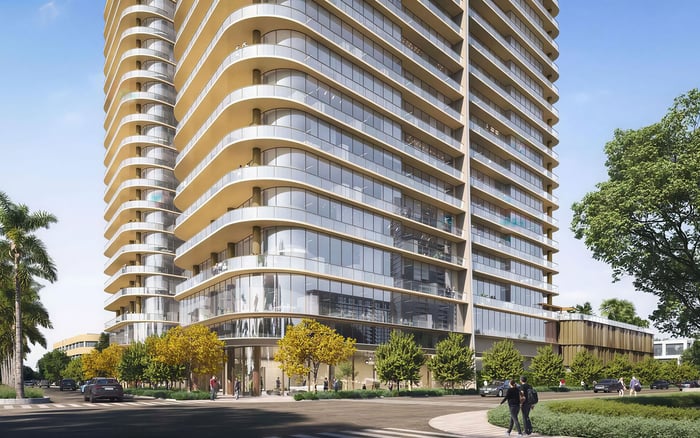
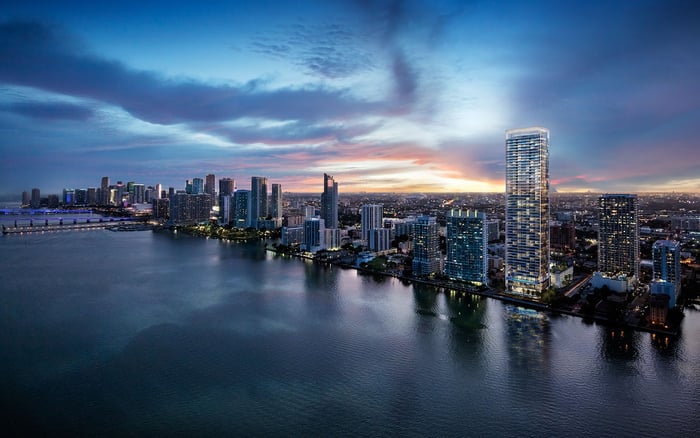
A discreet buyer’s guide to evaluating insurance deductibles before purchasing luxury real estate in and around Miami Design District.

In Miami Design District, the most refined purchase conversations often begin with architecture, walkability, art, restaurants, and access to the city’s cultural core. For luxury buyers, however, the quieter question may be more consequential: how much loss are you expected to absorb before insurance responds?
Insurance deductibles are not a closing detail. They can shape annual carrying costs, reserve planning, lender comfort, and the real cost of ownership after a storm, water event, or building-wide claim. For a buyer considering a pied-à-terre, primary residence, or investment property, deductible language deserves the same discipline applied to the floor plan, view corridor, parking rights, and association budget.
The Miami Design District buyer often compares options across nearby urban and waterfront neighborhoods. A residence near the district, such as Kempinski Residences Miami Design District, may require a different insurance review than a tower in Brickell or Edgewater, not because one is automatically preferable, but because each property type, association structure, and policy package merits its own scrutiny.
The first question is deceptively simple: which deductible applies to each category of loss? A single policy may treat wind, hurricane, named storm, water intrusion, fire, theft, and flood differently. Some deductibles are flat dollar amounts. Others are calculated as a percentage. At luxury price points, the practical impact can be substantial.
Ask your advisor to translate the deductible schedule into plain language. What would the owner pay first for a wind event? What would the association pay first for damage to common elements? What portion could be assessed to individual owners? What is the deductible for an interior water event originating inside the unit? If the residence is leased seasonally or held as a second home, confirm whether the occupancy pattern changes coverage expectations.
A sophisticated buyer should also ask whether the deductible is per occurrence, per building, per unit, or tied to insured value. That distinction may determine whether a manageable exposure becomes a material liquidity event.
In a condominium, the buyer’s personal policy is only one part of the insurance picture. The association’s master policy, deductible levels, exclusions, reserves, and claim history can influence the owner’s real exposure. Before closing, request the insurance summary, declarations, deductible schedule, and any association materials that explain how deductible obligations may be allocated.
The key question is not simply, “Is the building insured?” The better question is, “How are deductibles funded if there is a major claim?” If the association deductible is large, will it be paid from reserves, a special assessment, a line of credit, or owner allocation? Has the association planned for that deductible, or would owners be asked to contribute after the event?
New-construction buyers should be especially attentive during the transition from developer control to association control. Marketing materials may emphasize finishes, amenities, and design pedigree, while insurance mechanics may evolve as the property matures. In Midtown and the broader district corridor, projects such as Miami Design Residences Midtown Miami make it natural to focus on lifestyle. The underwriting question is whether the long-term ownership structure is equally well understood.
A Miami Design District purchase is rarely evaluated in isolation. Buyers may compare the district with Wynwood, Edgewater, Brickell, Miami Beach, and other lifestyle-driven markets. The visible price per square foot is only one metric. Deductible structure, premium trajectory, association reserves, and potential assessments can all affect the economic comparison.
A buyer considering Miami Tropic Residences may be weighing access to cultural energy and newer residential product. Another buyer may look south toward 888 Brickell by Dolce & Gabbana, where the urban luxury thesis is different. In Edgewater, a project such as EDITION Edgewater brings another set of considerations tied to tower living, views, amenities, and association governance.
None of these comparisons should be reduced to a single insurance figure. Instead, ask for a side-by-side view of premium, deductible, flood requirements if applicable, association reserves, and the buyer’s maximum plausible cash exposure after a covered event. This is where refined acquisition strategy moves beyond aesthetics.
Before finalizing a contract, buyers should ask direct questions and request written documentation. What is the deductible for hurricane or named storm damage? Is the deductible calculated as a percentage of building value, unit value, or another insured amount? Are there separate deductibles for flood and wind? Does the owner need loss assessment coverage, and if so, at what level?
Ask whether the association has recently changed carriers, altered deductibles, or adjusted coverage terms. Ask if reserves contemplate insurance deductibles. Ask whether any pending claims, open repairs, or deferred maintenance could affect future underwriting. For single-family homes near the district, request wind mitigation information, roof details, elevation information, and any documentation that may influence coverage options.
For financed purchases, confirm lender requirements early. A lender may care not only that coverage exists, but also whether deductible levels are acceptable. If a high deductible is permitted, the buyer still needs to decide whether that retained risk is appropriate for their balance sheet.
Insurance deductibles can influence negotiation without becoming a blunt discount request. If deductible exposure is materially higher than expected, the buyer may seek a longer diligence period, additional association records, clarification from management, or a revised view of reserves and carrying costs. In some cases, the right response is not to renegotiate price, but to adjust the hold strategy, liquidity reserve, or coverage package.
For luxury buyers, the deductible reserve should be treated as part of the acquisition budget. A residence may be affordable on paper while still requiring a dedicated cash buffer for uninsured or pre-insurance exposure. This is particularly relevant for owners with multiple homes, art collections, custom interiors, or significant improvements that may require separate attention.
A polished closing is not the same as a protected ownership position. The strongest buyers know the premium, understand the deductible, know who pays first, and have already decided how much risk they are willing to retain.
What is the most important deductible question to ask first? Ask which deductible applies to each type of loss, including wind, hurricane, water, and flood if relevant.
Why do condo buyers need to review the association policy? The master policy may carry deductibles that can affect reserves, assessments, and owner exposure after a claim.
Is a lower premium always better? Not necessarily. A lower premium can be paired with a higher deductible or narrower coverage terms.
Should cash buyers still care about deductible levels? Yes. Even without lender requirements, deductibles affect liquidity planning and the true cost of ownership.
Can deductible exposure differ between Brickell and the Design District? It can differ by building, policy structure, association reserves, and property type rather than by neighborhood alone.
What should new-construction buyers ask before closing? Ask how insurance will transition to association control and whether deductible funding is reflected in budgets.
How does loss assessment coverage fit into the review? It may help address certain owner assessments, but limits and exclusions should be reviewed carefully.
Should Wynwood buyers ask the same questions? Yes. Any urban luxury buyer should understand deductibles, reserves, and insurance responsibility before closing.
Can insurance terms affect investment strategy? Yes. Deductibles, premiums, and assessment risk can influence yield, hold period, and resale planning.
When should the insurance review begin? Begin during due diligence, before the deposit becomes difficult to recover or financing deadlines become compressed.
If you'd like a private walkthrough and a curated shortlist, connect with MILLION.
If branded residences are on your mind — as a home or as an allocation — we would be glad to share what we are seeing, privately.
Begin a quiet conversation