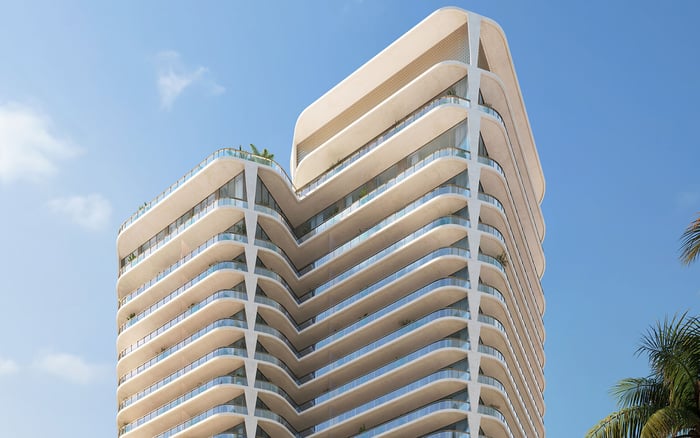
A refined due diligence guide for South Flagler buyers evaluating HOA fee escalation, reserves, insurance, staffing, amenities, and long-term ownership risk before purchasing luxury real estate.
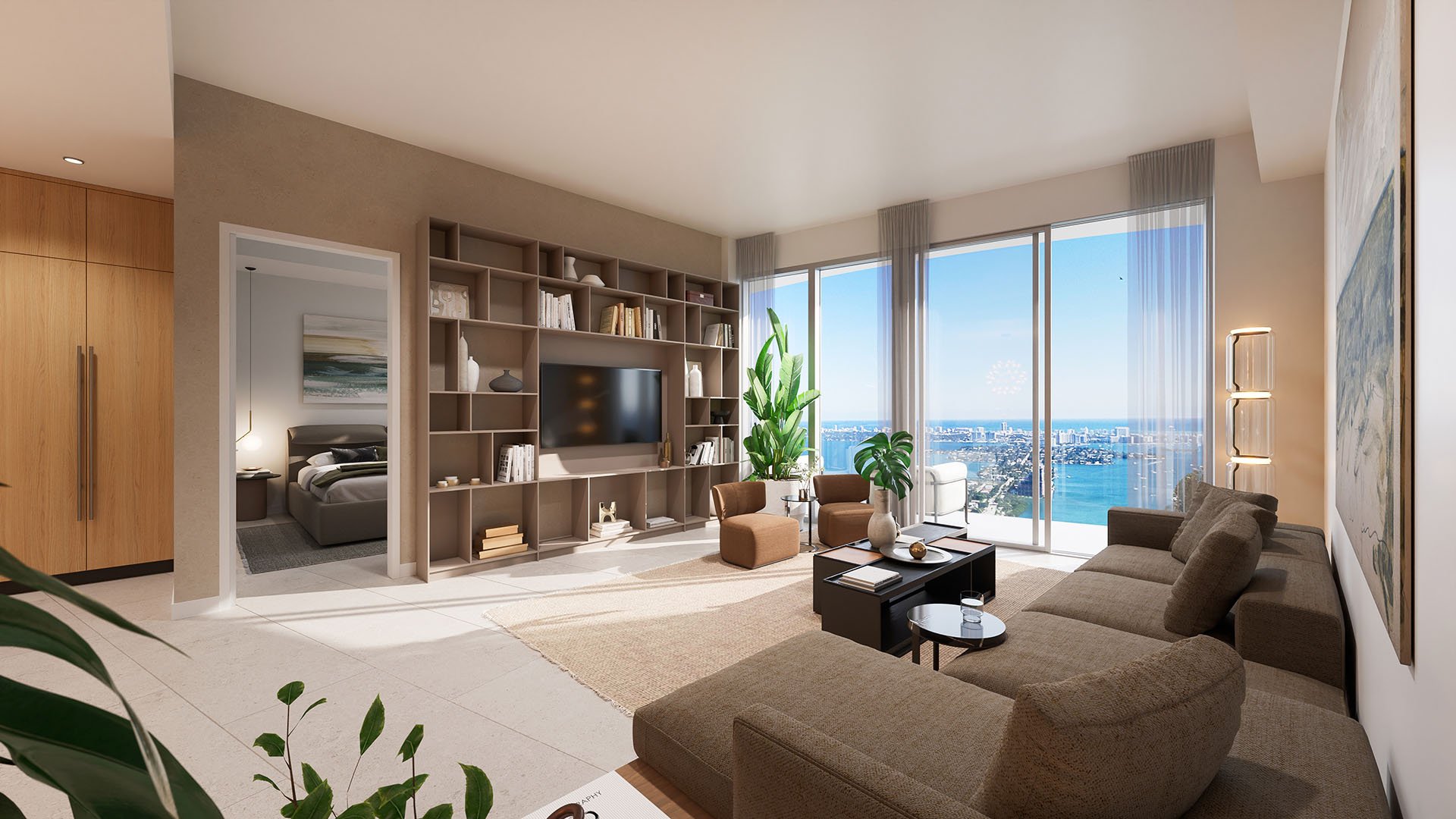
In South Flagler, buyers often focus first on views, architecture, privacy, and proximity to Palm Beach. Yet the monthly association fee can be one of the most revealing documents in a luxury purchase. It is not merely a line item. It is the operating model for the building, the staffing philosophy, the maintenance culture, and the long-term standard of ownership.
A refined residence can be attractively priced and still carry a fee structure that deserves closer review. The essential question is not whether the current fee feels acceptable today. It is whether the fee is realistic, durable, and aligned with the level of service the building is promising. In a corridor where buyers may be comparing South Flagler House West Palm Beach with established waterfront options and nearby new offerings, fee escalation can affect both lifestyle and exit value.
Begin with the simplest question: what is included, and what is excluded? A luxury HOA fee may appear high when viewed in isolation, then become more rational when measured against staffing, insurance, reserve contributions, building maintenance, utilities, security, valet operations, amenity programming, landscaping, management, and professional services. Conversely, a fee that appears restrained may be leaving out costs that later surface through special assessments, service reductions, or annual increases.
Ask for a plain-English breakdown by major category. The goal is not to challenge every expense, but to understand whether the building is funded to operate at the level being marketed. For ultra-premium buyers, underfunded elegance is not a bargain. It is deferred exposure.
For a new or recently completed building, request clarity on the first-year budget assumptions. Was the budget created by the developer, the association, or a professional management team? Does it assume full occupancy, partial occupancy, or a transition period? Are service contracts already negotiated, or are they estimates? Does the staffing plan match the promised service experience?
This matters when comparing pre-construction and new-construction opportunities with resale inventory. The same caution applies whether the purchase is for investment, second-home use, or long-term residence. In West Palm Beach, fee discipline is part of luxury because the owner is buying into an operating ecosystem, not just a private floor plan.
A building with exceptional amenities should also have a serious reserve strategy. Buyers should ask how reserves are calculated, what components are covered, and whether contributions are expected to rise. Elevators, roofing, facade systems, mechanical equipment, pools, garages, seawalls where applicable, and amenity spaces all have useful lives. A reserve plan is the difference between disciplined maintenance and surprise funding calls.
The question is not simply, “Are there reserves?” Ask whether reserves are being funded in a way that reflects the quality of the asset. A luxury building should not rely on optimism to preserve its physical condition. When evaluating residences such as Forté on Flagler West Palm Beach, buyers should ask their advisors to review the association structure with the same care given to contracts, deposits, and closing costs.
Insurance can be one of the most consequential variables in Florida condominium ownership. Buyers should ask what policies are maintained by the association, what deductibles apply, how premiums are budgeted, and whether recent increases have already been absorbed. Also ask what coverage the owner must carry separately.
The key issue is visibility. If the association fee reflects current premiums and a thoughtful contingency posture, that is different from a budget that may need to catch up. Sophisticated buyers do not need certainty, which no association can guarantee. They need candor about how risk is priced.
In a luxury waterfront building, staffing often defines daily life. Front desk personnel, valet, security, management, maintenance, housekeeping, porters, pool attendants, and amenity staff create the experience buyers expect. Staffing is also one of the most persistent operating costs.
Ask how many full-time and part-time positions are assumed, whether payroll is handled directly or through vendors, and whether benefits, overtime, and coverage gaps are reflected. If a building intends to feel like a private club, the fee should show how that promise is funded. If staffing appears thin, ask whether owners should expect future increases as the building stabilizes.
Luxury buyers are increasingly drawn to wellness spaces, private lounges, pools, guest suites, dining concepts, and curated resident experiences. The sharper question is who pays, how consistently, and through which budget line. Some amenities require staffing. Others require maintenance, supplies, licensing, insurance, or outside operators.
When a buyer compares Shorecrest Flagler Drive West Palm Beach with other residences along the broader waterfront market, the amenities should be understood as recurring obligations. An amenity is only as valuable as the association’s ability to maintain it gracefully.
For existing buildings, request several years of budgets, meeting minutes, current financials, reserve information, and any notice of pending assessments. Look for patterns. Have fees risen steadily, irregularly, or only after long periods of restraint? Were increases tied to insurance, reserves, labor, repairs, or service enhancements?
For new buildings, ask whether there is a projected escalation schedule or any disclosed expectation that fees may adjust after turnover. Buyers should be cautious about treating early figures as permanent. A launch budget may be a starting point, not the mature cost of ownership.
The size of the ownership base affects how expenses are distributed. A boutique building may offer privacy and intimacy, but fewer owners share fixed costs. A larger building may distribute costs more broadly, although service expectations and amenity scale can also be larger. There is no universal answer. The right question is whether the per-unit burden feels proportionate to the building’s promise.
For buyers considering Alba West Palm Beach or other nearby options, the fee should be studied in relation to unit size, building scale, amenities, reserves, and anticipated services. Monthly cost is only meaningful when compared with what it supports.
A special assessment is not automatically a sign of mismanagement. Sometimes it is the proper way to fund a defined capital need. Still, buyers should ask whether any assessments are pending, discussed, recently completed, or reasonably anticipated. Ask what work is being contemplated, how it would be funded, and whether the seller or buyer would be responsible if an assessment is approved before or after closing.
This is where legal and financial review becomes essential. The purchase contract, condominium documents, resale disclosures, and association records should be read together. In a luxury acquisition, ambiguity is not a strategy.
Future buyers will ask the same questions you are asking today. If fees rise because the building is properly insured, well staffed, and responsibly reserved, the market may understand the logic. If fees rise because prior budgets were unrealistic, the explanation becomes less elegant.
Resale strength depends on confidence. A buyer should be able to explain the monthly fee in one composed sentence: what it covers, why it is appropriate, and how the building plans for the future. If that cannot be done, continue the diligence.
What is the first HOA fee question to ask before buying in South Flagler? Ask what the fee includes, what it excludes, and whether the budget supports the promised level of service.
Are higher HOA fees always a negative? No. A higher fee may be rational if it funds reserves, insurance, staffing, maintenance, and amenities responsibly.
Why do new condominium fees sometimes change after purchase? Early budgets may be based on estimates or transition assumptions, while stabilized operations can reveal fuller costs.
Should I review reserves before signing a contract? Yes. Reserve funding helps show whether the building is planning for long-term capital needs or deferring them.
How does insurance affect HOA escalation? Association insurance can materially influence annual budgets, especially when premiums or deductibles change.
What should I ask about staffing costs? Ask whether the staffing plan is fully budgeted, scalable, and consistent with the level of service being marketed.
Can amenities increase monthly fees over time? Yes. Amenities may require staffing, maintenance, supplies, insurance, and periodic replacement or upgrades.
What documents should a buyer request? Request budgets, financial statements, reserve information, meeting minutes, association documents, and assessment notices.
Do boutique buildings have different fee risks? They can. Fewer owners may share fixed costs, so privacy should be evaluated alongside operating efficiency.
How should HOA fees be compared between buildings? Compare fees against services, reserves, insurance, building scale, amenity obligations, and the quality of maintenance.
If you'd like a private walkthrough and a curated shortlist, connect with MILLION.
If branded residences are on your mind — as a home or as an allocation — we would be glad to share what we are seeing, privately.
Begin a quiet conversation