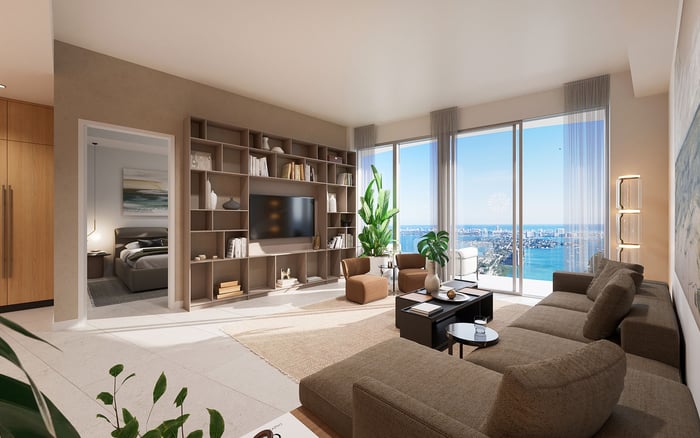
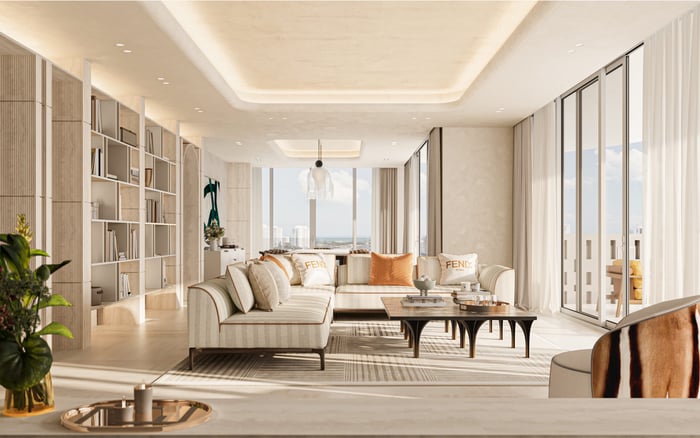
A practical 2026 due-diligence framework for evaluating Banyan Tree Residences West Palm Beach through the lens of appraisal resilience, liquidity, cash structure, and exit discipline.
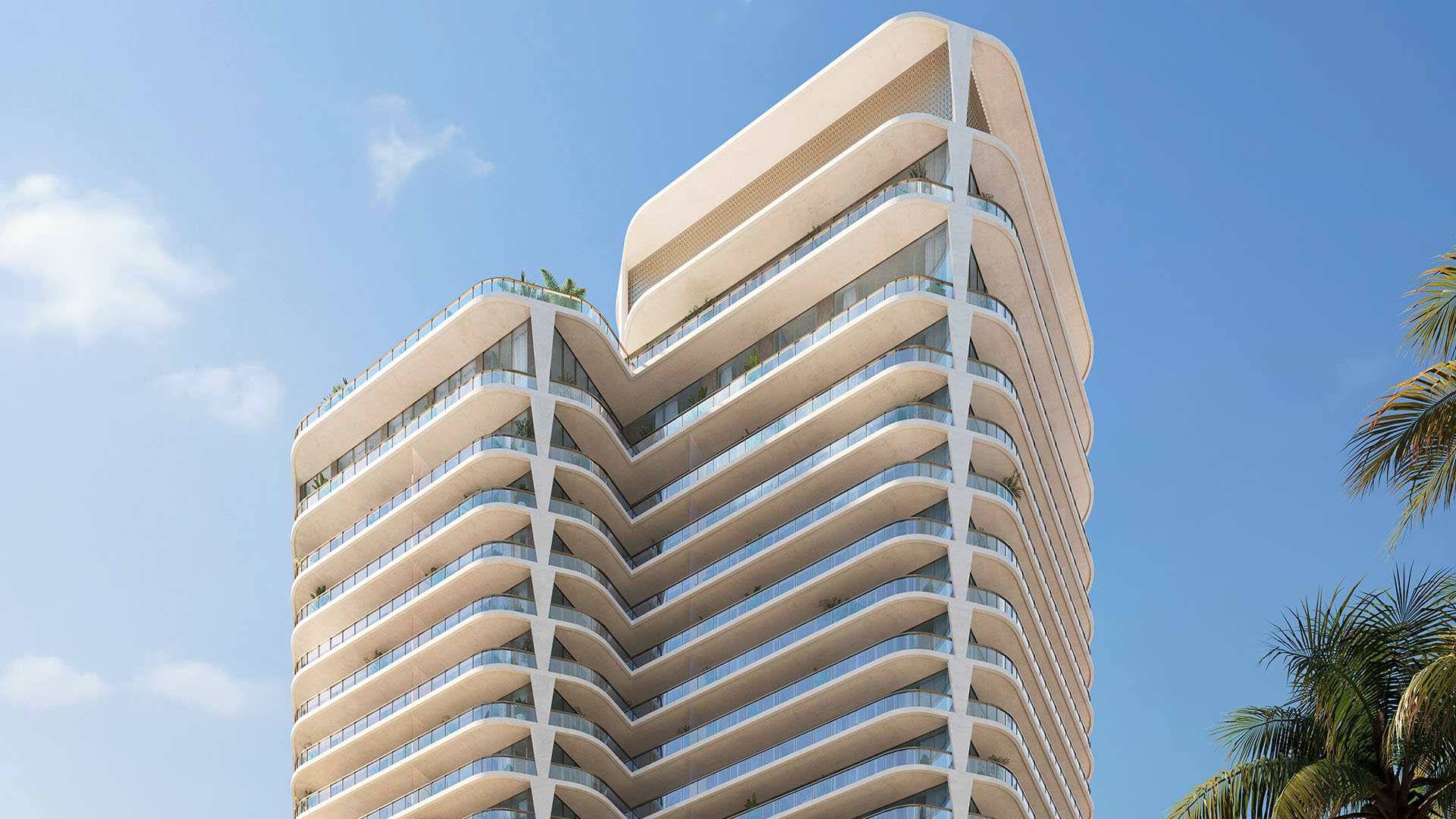
Banyan Tree Residences West Palm Beach sits in a category of purchase that demands more than emotional conviction. For a buyer considering a branded residence in a rising South Florida market, the central question is not simply whether the home is beautiful. It is whether the agreed price can still be defended when a lender, appraiser, attorney, insurance reviewer, and future resale buyer each examine the file.
That is the purpose of appraisal-proof pricing. It does not mean an appraisal can never come in low, and it does not offer immunity from market cycles. It means the buyer has built a pricing thesis strong enough to withstand scrutiny. The file should explain why this residence, this stack, this view line, this finish level, this amenity program, and this contract structure justify the number.
For a MILLION client, the working file often carries six labels: West-palm-beach, Investment, New-construction, Pre-construction, Resale, and Second-home. Each label raises the diligence standard. A second-home buyer may prioritize lifestyle and privacy, while an investment-minded buyer may focus on liquidity, basis, carrying costs, and resale depth. In 2026, the strongest buyers will evaluate all of them at once.
A trophy price is usually supported by a story: brand, scarcity, architecture, amenity access, privacy, service, and buyer interest in Palm Beach County. The story matters, but it must be translated into evidence. Buyers should separate which components of the price are tangible, which are emotional, and which depend on future demand remaining strong.
The first checkpoint is the unit’s internal hierarchy. A residence with a stronger view corridor, better ceiling volume, larger outdoor living, more efficient layout, or more desirable exposure can justify a different price from another unit in the same building. The second checkpoint is the project hierarchy. A branded residence may command a premium, but that premium should be tested against comparable new offerings, established luxury resale product, and the likely replacement cost of future supply.
The third checkpoint is the buyer’s own hold period. A five-year owner has a different risk profile from a generational owner. The shorter the expected hold, the more important entry basis becomes. A buyer who may resell soon after delivery should be especially disciplined about upgrades, closing costs, financing assumptions, and the spread between contract price and likely appraised value.
The cleanest luxury transactions are not always the ones with the highest leverage. In an ultra-premium purchase, appraisal risk is often a negotiation and liquidity issue more than a pure financing issue. If the appraisal trails the contract price, the buyer should know in advance whether they will bridge the gap, renegotiate, restructure, or walk away.
A serious 2026 checklist should establish three numbers before contract: the target price, the defensible price, and the walk-away price. The target price is what the buyer hopes to achieve. The defensible price is what can be supported by comparable evidence and project-specific advantages. The walk-away price is the point at which lifestyle desire begins to overtake financial discipline.
This framework is especially important in branded product, where the emotional premium can be real but difficult to quantify. Appraisers often look backward, while buyers of new residences are often paying for a future condition. The difference between those perspectives can create tension. A well-prepared buyer acknowledges the gap early and decides how much of the premium they are willing to carry with cash.
First, examine the contract price against the unit’s own attributes. View, elevation, outdoor space, plan efficiency, parking, storage, and privacy should all be itemized. A beautiful brand name cannot compensate for a weaker line if another residence in the building offers a materially better living experience.
Second, model the full cash requirement. The purchase price is only the beginning. Deposits, closing costs, potential design upgrades, association obligations, taxes, insurance assumptions, and furnishing reserves should be reviewed together. Even the most elegant purchase can become uncomfortable if the buyer underwrites only the headline number.
Third, evaluate financing before it is needed. Even cash buyers benefit from understanding lender treatment, because future buyers may rely on financing. If a building, price point, or contract structure narrows the lending audience, future liquidity may be affected.
Fourth, compare the branded premium with unbranded alternatives. A branded residence can deliver service, hospitality standards, design coherence, and recognition. The buyer should decide what those qualities are worth in dollars, not adjectives.
Fifth, rehearse the exit. A buyer should be able to describe the future resale audience in one paragraph. If the likely buyer pool is narrow, the entry price should reflect that. If the pool is deep and aligned with the product, a stronger premium may be easier to defend.
Before signing, the buyer’s team should build a single decision memo. It should include the unit attributes that support the price, the competing alternatives considered, the likely appraisal range, the buyer’s cash reserve plan, and the hold-period assumption. This memo is not ceremonial. It is the document that keeps a high-emotion decision anchored to disciplined logic.
The buyer should also request clarity on what is included in the purchase and what remains optional. Finishes, appliances, technology, private storage, parking rights, club access, service obligations, and future fees can alter value. In the luxury segment, small exclusions can become meaningful once multiplied across a large residence.
Legal review should focus on timing, remedies, delivery conditions, association documents, and buyer protections. Financial review should focus on deposits, liquidity, tax treatment, carrying costs, and tolerance for an appraisal shortfall. Lifestyle review should focus on daily use: arrival sequence, staff access, pet protocols, guest privacy, wellness routines, and proximity to the buyer’s preferred Palm Beach and West Palm Beach patterns.
The strongest buyers do not negotiate by simply asking for a discount. They negotiate by identifying risk and assigning value to it. If the appraisal path is uncertain, that may support a financing contingency, additional time, a modified deposit schedule, or a more carefully structured closing condition. If the buyer is paying a brand premium, they may seek certainty on included services, finish specifications, or delivery standards.
Concessions should be considered through the lens of basis. A visible price reduction may help future resale optics, while a credit may help cash flow. The better choice depends on the buyer’s financing strategy, tax advice, and exit horizon. In some cases, preserving a clean contract price matters. In others, reducing the recorded basis is more important.
Buyers should also avoid over-personalizing early. Highly specific upgrades may be enjoyable, but they do not always translate into resale value. The more tailored the design, the more the future buyer must share the same taste. Appraisal-proof pricing rewards choices with broad market appeal.
For Banyan Tree Residences West Palm Beach, the disciplined buyer’s advantage is preparation. Appraisal-proof pricing is not about resisting luxury. It is about respecting it enough to underwrite it carefully. The strongest purchase file should read like a calm argument: this is the home, this is the premium, this is why it is justified, and this is how the buyer remains protected if the market changes.
In 2026, disciplined buyers may continue to favor residences that combine privacy, service, design, and a credible exit. The difference between a sophisticated acquisition and an expensive indulgence will often be found before contract, in the diligence that no guest will ever see.
What does appraisal-proof pricing mean? It means the buyer has built a defensible pricing thesis that can withstand appraisal, financing, and future resale scrutiny.
Does appraisal-proof pricing guarantee the appraised value will match the contract price? No. It reduces surprise by identifying the likely gap between market enthusiasm and formal valuation.
Why is this especially important for Banyan Tree Residences West Palm Beach? Branded residences can carry premiums tied to service, design, scarcity, and lifestyle, so buyers should quantify the premium before signing.
Should cash buyers still care about appraisal risk? Yes. Even without a loan, future resale buyers may use financing, and that can influence liquidity.
What is the first number a buyer should establish? The buyer should establish a defensible price, separate from the aspirational target price and the walk-away price.
How should a buyer evaluate a brand premium? Compare it with unbranded alternatives, established resale product, and the specific benefits that matter to daily life.
Can concessions protect the buyer? They can, but structure matters. A price reduction, credit, or contract adjustment may each affect basis differently.
What role does the hold period play? A shorter hold period demands stricter entry pricing because transaction costs and resale timing matter more.
Which team members should review the purchase? The buyer should coordinate real estate, legal, lending, insurance, tax, and design guidance before major deposits become nonrefundable.
What is the simplest rule for 2026 buyers? If the premium cannot be explained clearly, it should not be paid casually.
If you'd like a private walkthrough and a curated shortlist, connect with MILLION.
If branded residences are on your mind — as a home or as an allocation — we would be glad to share what we are seeing, privately.
Begin a quiet conversation