A discreet due-diligence guide for luxury Hillsboro Beach buyers reviewing milestone inspection history, structural reserves, assessments, local building-safety records, and lender concerns before closing.
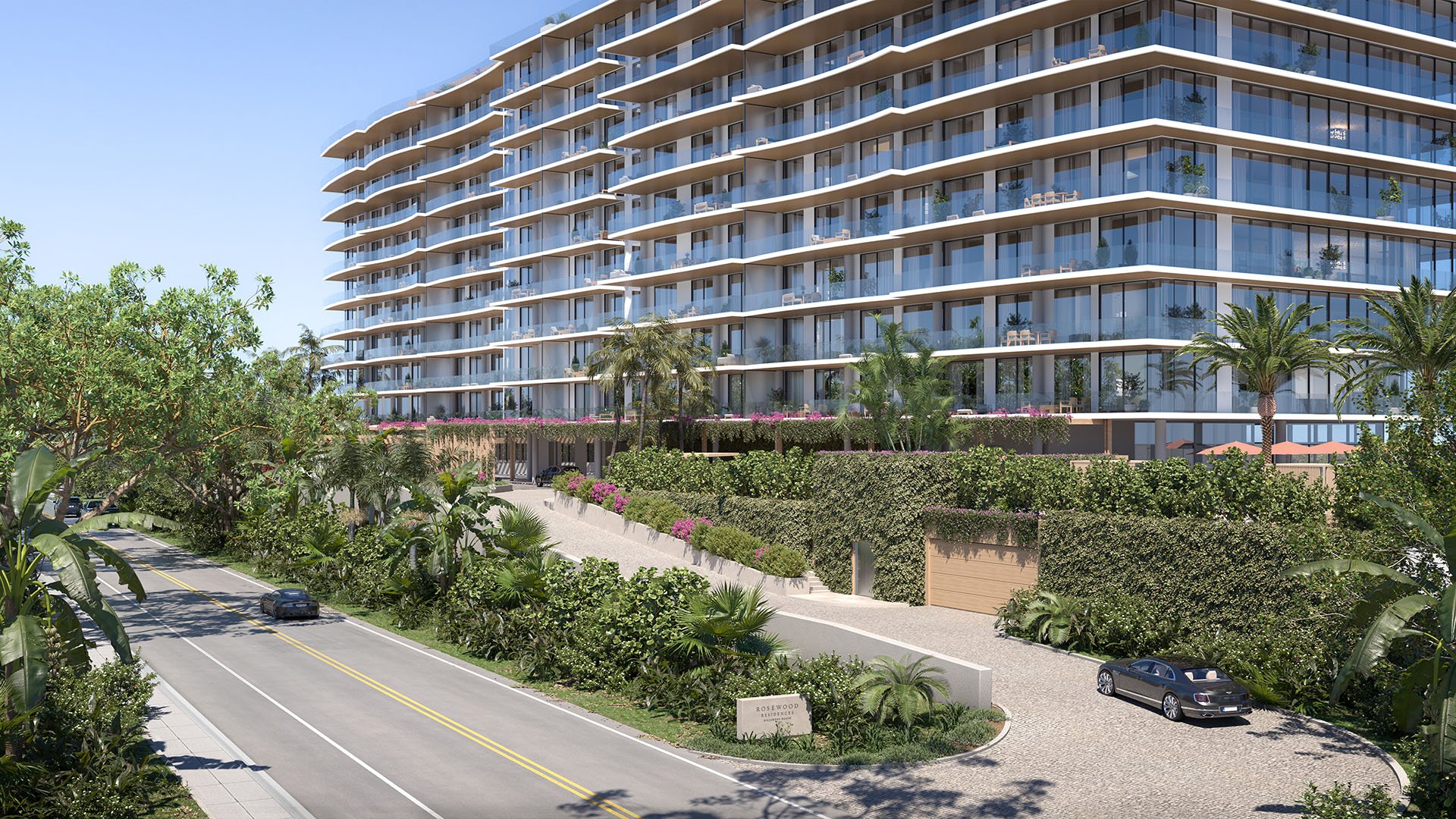
In Hillsboro Beach, the view is often immediate: Atlantic light, deep terraces, quiet sand, and the private cadence of a barrier-island address. Yet for today’s luxury buyer, the most consequential part of a condominium purchase may sit well beyond the balcony line. It is in the building file, the engineering report, the reserve schedule, the board minutes, and the repair history that follows a milestone inspection.
Florida’s milestone-inspection framework applies to condominium and cooperative buildings that are three stories or more. For a buyer evaluating oceanfront property in Broward, that threshold should be among the first questions asked, because it determines whether a building falls within the statewide structural-inspection regime. The next questions are the certificate-of-occupancy date and whether the first milestone inspection was due at 30 years, or earlier if a local enforcement agency required a shorter timeline because of coastal exposure.
This is especially relevant for resale acquisitions, where a residence may show beautifully while the association is still working through structural, waterproofing, electrical, concrete, balcony, or life-safety obligations. Newer options such as Rosewood Residences Hillsboro Beach may be part of the same buyer conversation as established coastal buildings, but the diligence question remains consistent: what has been inspected, what was found, what was funded, and what remains open?
A polished lobby does not answer whether a building has completed every required milestone inspection. Ask the association or seller to identify the building type, number of stories, certificate-of-occupancy date, milestone-inspection due date, and whether any notices, deadlines, or extensions remain open. If the association has received communications from a municipality or county, those records should be reviewed before a deposit becomes emotionally irreversible.
For buyers comparing Hillsboro Beach with nearby coastal addresses such as Armani Casa Residences Pompano Beach or The Ritz-Carlton Residences® Pompano Beach, even the most elegant building tour should be paired with a disciplined record request. Ask whether the milestone report was submitted to the local enforcement agency and whether it was accepted, returned for follow-up, or tied to additional repair requirements.
A buyer’s attorney can also request the inspector-prepared summary that must be distributed to unit owners and posted or published as required. That summary is useful, but it is not a substitute for the full underlying report.
Phase 1 is the architect’s or engineer’s visual examination of habitable and non-habitable areas. For a luxury buyer, the full Phase 1 report matters because it may reveal the scope, tone, and seriousness of the inspection in a way meeting summaries cannot. Ask for the complete report, appendices, photographs if included, and any correspondence that followed.
The essential question is whether Phase 1 found substantial structural deterioration. If it did, a Phase 2 inspection is triggered. If it did not, ask what conditions were observed and whether any items were characterized as surface imperfections, cosmetic distress, or other conditions excluded from substantial structural deterioration. That distinction can matter for valuation, financing, insurance comfort, and future assessment exposure.
Balcony conditions deserve particular attention in coastal buildings. Cosmetic cracking is not the same as a structural finding, but a buyer should not be left interpreting technical language alone. Have qualified counsel and, when appropriate, an independent engineer review the reports before waiving contingencies.
If a Phase 2 inspection was required, ask for the full Phase 2 report. That means more than a letter stating that additional review occurred. A Phase 2 package may include destructive or nondestructive testing, repair recommendations, estimated timelines, and conclusions about whether repairs are needed to address substantial structural deterioration.
This is where many luxury buyers discover the real issue. The question is not only whether an association obtained an inspection. It is whether the association has funded and completed the repairs made necessary by that inspection. Ask for repair bids, contracts, engineering correspondence, payment schedules, contractor updates, board approvals, budgets, and any owner communications concerning the work.
For a buyer cross-shopping Broward waterfront markets, from Hillsboro Beach to Fort Lauderdale properties such as Auberge Beach Residences & Spa Fort Lauderdale, the most important comparison may not be design language or amenity programming. It may be the relationship between the engineering file and the association balance sheet.
For condominium buildings three stories or higher, ask whether the association has a current Structural Integrity Reserve Study. Then ask whether it covers the major structural and life-safety components that matter in coastal ownership: roof, load-bearing walls, primary structural systems, floors, foundations, fireproofing, plumbing, electrical systems, waterproofing, exterior painting, windows, and other qualifying components.
Reserve funding deserves a direct conversation. Has the association fully funded required structural reserves, or has it relied on a waiver, reduction, or other funding strategy that could lead to future assessments? A strong reserve position does not eliminate every risk, but it can change the buyer’s view of near-term cash exposure.
Ask specifically whether special assessments have already been levied, are pending, or are being discussed to fund milestone-related repairs. Then request an estoppel certificate showing assessments, fees, and amounts due. The estoppel can reveal current owner obligations tied to repairs or association funding, and it should be reconciled with the seller’s disclosures and contract terms.
Florida condominium associations must maintain official records available for inspection. For a serious buyer, that means asking for association meeting minutes, engineering correspondence, repair bids, executed contracts, budgets, reserve records, and related owner communications. If the seller or association provides only a summary, your attorney can request the underlying official records directly from the association.
In Broward, buyers should also ask whether the building has been subject to local building-safety inspection requirements in addition to statewide milestone rules. Ask whether any county or municipal inspection resulted in required electrical, structural, balcony, concrete, waterproofing, or life-safety repairs. Before closing, confirm whether there are outstanding permits, failed inspections, unsafe-structure notices, or code-enforcement issues.
Contract protections can be drafted around these questions. A buyer may request delivery of full engineering reports, board minutes, reserve studies, pending-assessment disclosures, permit searches, and a right to cancel if the findings are materially adverse. In the upper tier of the market, that is not adversarial. It is simply appropriate.
Even cash buyers should understand how a building’s inspection history can affect marketability. If financing is involved, ask the lender whether inspection history, reserves, insurance, litigation, or special assessments could affect condominium project approval or loan terms. A residence can be exceptional and still face underwriting friction if the building file is unresolved.
This is why buyer’s guides for luxury coastal property increasingly treat structural diligence as part of value analysis, not an afterthought. In Hillsboro Beach, the best purchase decisions combine lifestyle conviction with forensic patience. The right questions preserve optionality, strengthen negotiation posture, and help ensure that a spectacular view is paired with a building history the buyer can live with.
Does Florida milestone inspection law apply to every condo? It applies to condominium and cooperative buildings that are three stories or more. Ask the association to confirm the building type and story count in writing.
What date should I ask for first? Ask for the certificate-of-occupancy date. It helps determine whether the first milestone inspection was due at 30 years or earlier due to coastal exposure requirements.
Is a board summary enough for review? No. Request the full Phase 1 report, because it is the architect’s or engineer’s visual examination of habitable and non-habitable areas.
What triggers a Phase 2 milestone inspection? A Phase 2 inspection is triggered when Phase 1 finds substantial structural deterioration. Ask for the full Phase 2 report if one was required.
Should I worry about cosmetic cracking? Cosmetic distress is not always substantial structural deterioration. Have a qualified professional distinguish excluded surface conditions from true structural issues.
What reserve document should I request? Ask for the most recent Structural Integrity Reserve Study. Review whether it covers major structural and life-safety components.
Can reserves affect future assessments? Yes. If required reserves are not fully funded, or if funding has been reduced or waived, future special assessments may become more likely.
What association records are most useful? Ask for meeting minutes, engineering correspondence, repair bids, contracts, budgets, and reserve records. These documents often show what remains unresolved.
Should I check local building-safety records too? Yes. Ask whether local inspections produced required electrical, structural, balcony, waterproofing, concrete, or life-safety repairs.
What is the best way to shortlist comparable options for touring? Start with location fit, delivery status, and daily lifestyle priorities, then compare stacks and elevations to validate views and privacy.
To compare the best-fit options with clarity, connect with MILLION.
If branded residences are on your mind — as a home or as an allocation — we would be glad to share what we are seeing, privately.
Begin a quiet conversation