A practical buyer’s guide to understanding generator coverage in Pompano Beach luxury real estate, from condo life-safety systems to whole-home backup loads, fuel logistics, maintenance records, and negotiation strategy.
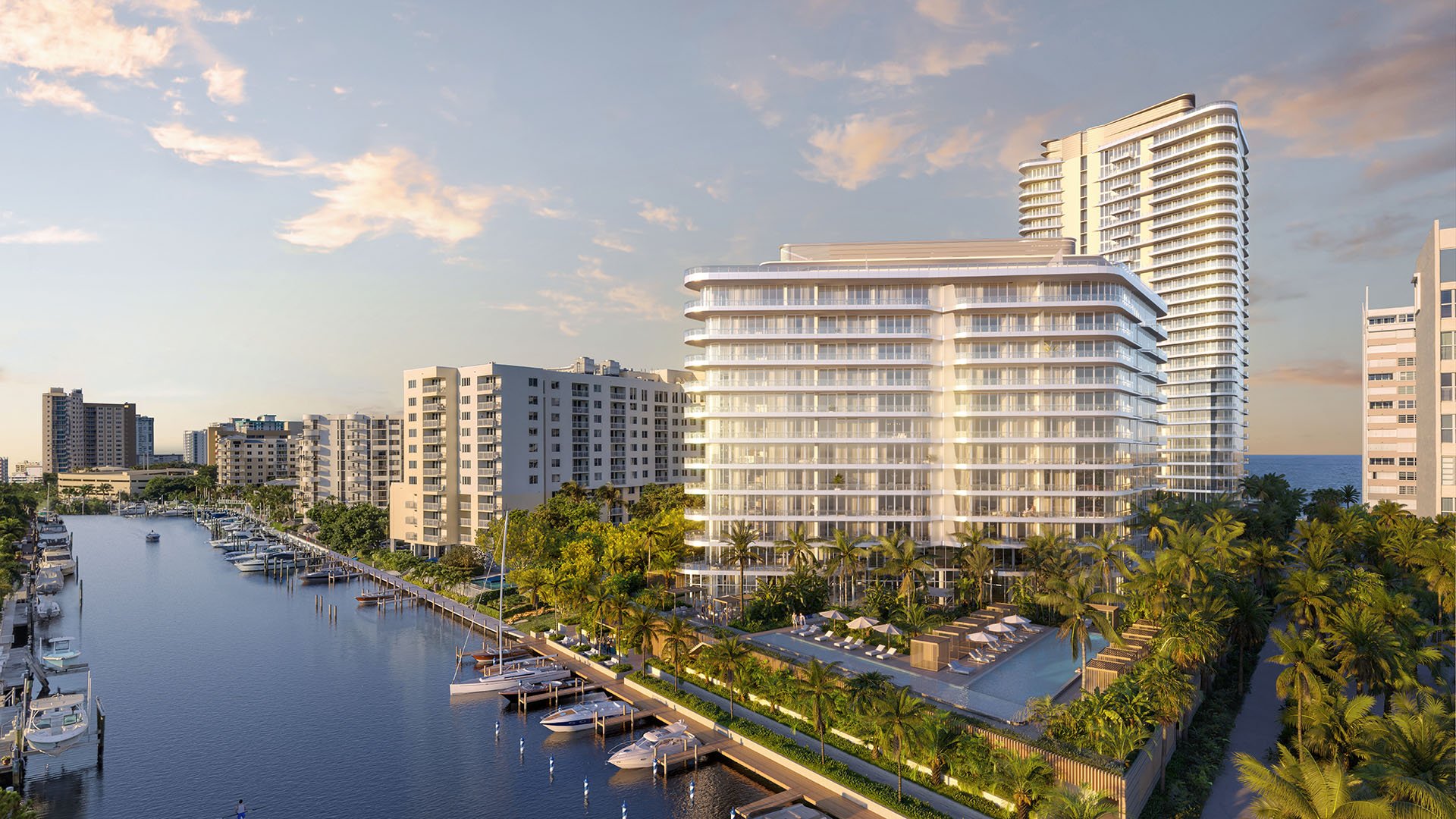
In Pompano Beach luxury real estate, backup power is no longer a technical footnote. It is part of comfort, continuity, and risk management. For a buyer considering an Oceanfront condominium, a waterfront estate, or a New-construction residence, the central question is not simply whether a generator exists. The more important question is what it powers, for how long, and under what conditions.
A building can accurately describe itself as having generator capacity while that capacity is limited to emergency lighting, fire systems, stairwell pressurization, garage access, and partial elevator service. That may satisfy life-safety expectations, but it does not mean the residence itself will have air conditioning, refrigeration, internet equipment, smart-home controls, or full appliance use during an outage.
For buyers comparing Pompano Beach projects such as The Ritz-Carlton Residences® Pompano Beach or Armani Casa Residences Pompano Beach, generator review belongs beside views, finishes, parking, and service culture. It is an infrastructure question with direct lifestyle consequences.
Begin with a simple request: identify every system connected to backup power. In a condominium, separate life-safety coverage from operational coverage and in-unit coverage. Ask whether elevators are fully supported or limited to one cab at a time. Ask whether cooling is available in lobbies, amenity spaces, corridors, or residences. Ask whether access control, security cameras, fire systems, water pressure systems, garage gates, package rooms, and communications equipment remain active.
For individual residences, the inquiry becomes more specific. Does backup power support all HVAC zones or only selected circuits? Does it cover refrigeration, freezers, security, lighting, pool equipment, gate systems, irrigation controls, dock utilities, and home automation? A large generator can still fall short if the load plan is poorly designed or key systems were excluded.
The buyer’s goal is to turn a marketing phrase into a usable schedule of covered loads. The difference between “generator equipped” and “whole-residence backup power” can be substantial.
In a luxury condominium, backup power is usually tied to association governance. Buyers should ask whether generator maintenance is included in the operating budget, whether replacement reserves have been planned, and whether fuel contracts are in place. A generator may be physically present, but its long-term reliability depends on testing, servicing, fuel access, and replacement planning.
This matters across Broward, where coastal properties must balance hospitality-level expectations with practical storm readiness. When evaluating W Pompano Beach Hotel & Residences or Waldorf Astoria Residences Pompano Beach, buyers should request the same level of specificity they would expect from any major building system: what is covered, how it is tested, who maintains it, and how future costs are shared.
If a generator requires replacement or significant modernization after closing, the issue becomes financial as well as technical. Reserves, maintenance history, and potential assessments can affect the true cost of ownership.
Waterfront ownership adds another layer. Beyond interior comfort, a buyer should ask whether backup power supports pumps, drainage equipment, dock systems, boat lifts, gates, exterior lighting, sump systems, elevators, and any seawall-related equipment that depends on power. The most elegant residence can become inconvenient quickly if key waterfront systems are offline after a storm.
For single-family-homes and boutique coastal residences, fuel type and runtime are especially important. Ask whether the system uses natural gas, diesel, propane, or another fuel source. Then ask how much on-site fuel capacity exists, how runtime changes under heavy load, and how refueling would occur during a regional disruption.
In a Pompano Beach acquisition, the generator conversation should be paired with flood exposure, insurance review, roof condition, drainage, and mechanical elevation. These items work together. Backup power is one part of a broader resilience profile.
A polished showing is not the time to rely on broad verbal comfort. Buyers should request permits, final inspections, load calculations, transfer switch details, maintenance logs, service agreements, recent test results, and records of any repairs. If the system has been expanded, ask whether the expansion was permitted and whether the load study was updated.
For newer projects such as Ocean 580 Pompano Beach, buyers should also ask that backup-power claims be reflected in contract documents, specifications, or association materials rather than left as sales-gallery language. If a residence is marketed as offering a certain standard of resilience, the buyer should know where that standard appears in writing.
The most useful question is often the most direct: “If power is out for an extended period, what will I be able to use inside my residence?” The answer should be concrete, not atmospheric.
Generator adequacy can influence valuation, closing terms, and post-closing capital planning. If a system supports only essential circuits, a buyer of a large residence may need to budget for upgrades. If a condominium association has limited reserves for generator replacement, a buyer may want clarity before waiving contingencies. If fuel logistics are uncertain, the buyer may push for additional diligence.
This does not make generator coverage a reason to reject a property. It makes it a basis for intelligent comparison. In the upper tier of Pompano Beach real estate, the most desirable homes are not only beautiful. They are legible, maintainable, and prepared for South Florida living.
Does a condo generator usually power individual units? Not always. In many buildings, generator capacity may be limited to life-safety systems, common areas, and partial elevator operation.
What is the first question to ask about generator coverage? Ask for a written list of every system and circuit connected to backup power, separated between common areas and the private residence.
Should luxury buyers ask for load calculations? Yes. Load calculations help show whether the generator is sized for the systems the buyer expects to use during an outage.
Why do fuel logistics matter? Fuel type, storage capacity, runtime, and refueling access determine whether backup power remains practical during an extended disruption.
What documents should a buyer request? Request permits, inspection records, maintenance logs, service contracts, transfer switch information, and recent generator test results.
Are waterfront homes different? Yes. Buyers should ask whether backup power supports pumps, drainage, dock systems, lifts, gates, elevators, and other exterior infrastructure.
Can generator coverage affect negotiation? Yes. Limited coverage, unclear maintenance, or weak reserve planning can support further diligence, credits, or revised pricing discussions.
Should new-development buyers rely on marketing language? No. Backup-power promises should be translated into contract documents, specifications, or association materials whenever possible.
Is whole-house backup power always necessary? Not for every buyer, but expectations should be explicit. The right answer depends on lifestyle, occupancy patterns, and tolerance for interruption.
Who should review generator details before closing? Buyers should involve qualified inspectors, electricians, and counsel as appropriate, especially when backup power is central to the purchase decision.
To compare the best-fit options with clarity, connect with MILLION.
If branded residences are on your mind — as a home or as an allocation — we would be glad to share what we are seeing, privately.
Begin a quiet conversation