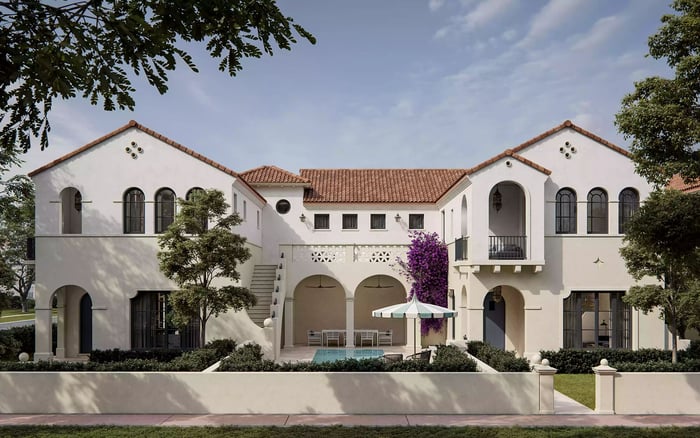
A practical luxury-buyer guide to testing Coral Gables residences for hosting, from guest arrival and privacy to kitchens, terraces, acoustics and nearby lifestyle comparisons.
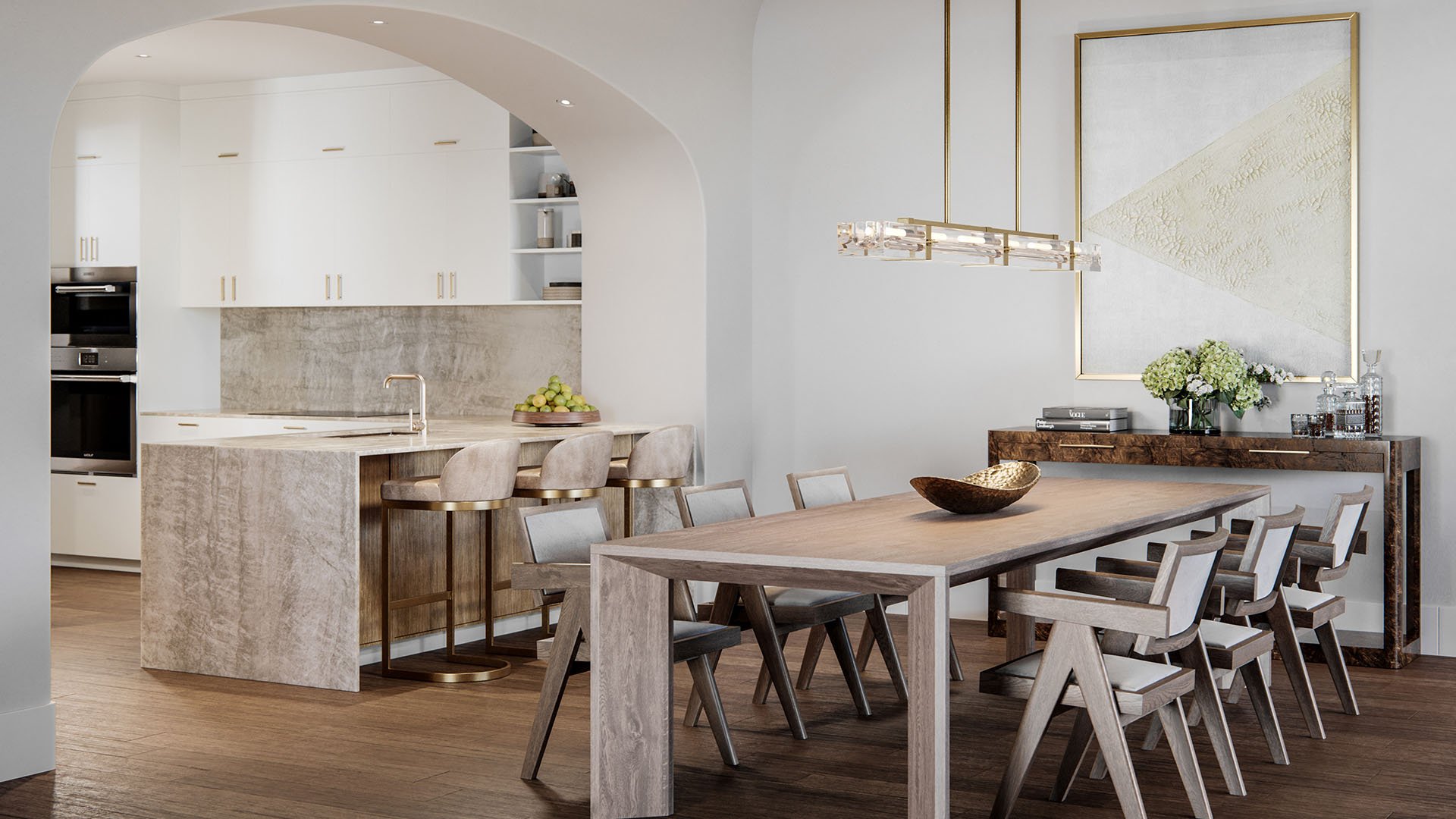
A luxury residence can photograph beautifully and still fail the evening it is asked to perform. For buyers who entertain often, Coral Gables should be pressure-tested with the same discipline one would apply to a private club, a boutique hotel suite or a formal dining room at home. The question is not simply whether the address is elegant. It is whether the residence supports how you gather, receive, serve, protect privacy and end an evening without friction.
That discipline matters for buyers with layered social calendars: family dinners, school-related receptions, philanthropic cocktails, visiting relatives, business guests and intimate late-night conversations. A home that feels perfect at noon during a showing may read very differently after sunset, when lighting, acoustics, valet logistics, kitchen workflow and neighbor sensitivity all become part of the experience.
The most useful lens is operational. Before committing, walk through the property as if your next dinner is already on the calendar. Where does the first guest arrive? Where does the caterer unload? Where do children disappear after dessert? Where does a guest take a private call? The best Coral Gables purchase is not necessarily the largest or most dramatic. It is the one whose plan allows hospitality to feel effortless.
Start with arrival. A residence that entertains well should create a graceful first five minutes. Drive the approach at the same hour your guests would arrive, ideally at dusk or early evening. Notice visibility, turning radius, lighting, guest parking, gate sequence, lobby experience if applicable and how intuitive the address feels to someone arriving for the first time.
If the home is a condominium or boutique development, study the transition from car to elevator to front door. A host should not have to apologize for confusion before the evening begins. In Coral Gables, buyers comparing refined new-residence options may naturally study projects such as Ponce Park Coral Gables, where due diligence should include not only residence finishes, but also the choreography of guest arrival and the building’s approach to service.
For single-family homes, test the driveway and entry court with real numbers. If you host twelve guests, imagine six cars. If you host thirty, imagine caterers, florals, rentals and ride-share arrivals occurring at once. The pressure-test is simple: if the arrival sequence feels improvised during the showing, it may feel chaotic during the party.
Daylight sells architecture; evening reveals performance. Return after dark before making a final decision. Watch how the living room reads under artificial light. Stand on the terrace or loggia and listen. Open the doors, close them, sit in the dining area and imagine music at a civilized level. The goal is not to create a nightclub. It is to understand how the home behaves when conversation, glassware, service and outdoor air meet.
Balcony depth, terrace orientation and ceiling height matter because they shape how guests circulate. A beautiful outdoor space that cannot hold furniture comfortably may be more visual than functional. A dramatic room with poor acoustic separation may make an intimate dinner feel loud. A formal living area without a discreet secondary zone may leave every guest in the same conversation, which is rarely how sophisticated entertaining works.
A buyer should also test transitions. The ideal entertaining plan allows people to move from cocktails to dinner to after-dinner seating without crossing through service clutter. In more urban luxury settings, compare that experience with the vertical hospitality style of Brickell residences such as Cipriani Residences Brickell. The contrast can clarify what you actually want from Coral Gables: more residential calm, more garden-like privacy or a closer relationship between interior rooms and outdoor gathering space.
Entertaining buyers often over-focus on the show kitchen and under-focus on the back-of-house. The service path is where a residence either supports the host or exposes every preparation detail. Ask where platters are staged, where wine is held, where ice is stored, where staff can pause and where deliveries can arrive without crossing the main guest path.
Storage deserves equal attention. Seasonal tableware, folding chairs, outdoor cushions, linens, candles, glassware, luggage from visiting family and children’s overflow all need places to disappear. A home may feel minimal only because it has not yet absorbed real life. Open every closet with an entertaining calendar in mind.
The same standard applies to condominium living. At Cora Merrick Park, or any comparable Coral Gables residence under consideration, a serious buyer should ask how the floor plan handles catering, deliveries, pets, children, overnight guests and the quiet reset after an event. Luxury is not merely the finish of the countertop. It is the absence of logistical strain.
Pressure-testing Coral Gables also means comparing it honestly with neighboring luxury patterns. Coconut Grove may appeal to buyers who want a lush, village-like rhythm and a more relaxed social texture. Residences such as Four Seasons Residences Coconut Grove can help buyers understand how serviced living and a different neighborhood cadence might change the hosting experience.
Pinecrest may enter the conversation for buyers who prioritize larger-scale private-home living, family infrastructure and a more expansive domestic footprint. Brickell may suit those who prefer a sharper urban tempo, elevator convenience and proximity to business-oriented dining. None is inherently better. The right answer depends on whether your entertaining is mostly family-led, philanthropic, corporate, culinary, school-centered or weekend-based.
Coral Gables often attracts buyers who want polished residential character without surrendering access to the broader Miami social map. Still, that assumption should be tested. Drive to the restaurants you actually use. Time the school run if children are part of the household. Invite your spouse or advisor to walk the area with you at the hour you would normally return from dinner. A residence is only luxurious if it respects your real calendar.
Before making an offer, write down the last ten times you entertained. Not the fantasy version, the real version. How many guests came? Did anyone stay overnight? Was dinner catered or cooked? Did children attend? Did people move outside? Did the evening end early or late? Did guests include business associates, close friends or extended family?
Then map those events onto the residence. A formal dining room may matter less than a generous informal zone if most evenings begin in the kitchen. A pool may matter less than shade if gatherings happen during late afternoon. A private office may become essential if guests often include people with whom you also do business. The exercise prevents the purchase from being driven by someone else’s idea of prestige.
For buyers who want a more village-scaled residential expression, The Village at Coral Gables may belong in the conversation, alongside single-family options and other condominium residences. The point is not to chase a category. The point is to identify the hosting platform that fits your rituals.
Ask direct questions before contract. What are the rules for private events, deliveries and vendors? How are service elevators scheduled, if relevant? What noise expectations govern terraces, pools and common areas? Where can guests wait if they arrive early? How does security handle names, cars and unexpected arrivals? If the residence is a house, what are the practical limits of parking, lighting and outdoor sound?
Then return to the property with your designer, architect, property manager or trusted advisor. A second set of experienced eyes will often see what a buyer in love with the address misses. The best advisors think beyond acquisition and into use: furniture plans, circulation, lighting layers, art placement, table count, exterior maintenance, staffing and privacy.
The final test is emotional. After all the practical questions, ask whether the home allows you to be present with your guests. If you imagine yourself managing problems all night, keep looking. If you imagine yourself opening the door, greeting friends and letting the residence do its quiet work, Coral Gables may be ready for you.
What is the first thing entertaining buyers should test in Coral Gables? Start with guest arrival, including parking, lighting, entry sequence and how easily visitors understand where to go.
Should I visit a property at night before buying? Yes. Evening visits reveal lighting, acoustics, privacy, exterior ambience and how the residence feels during real hosting hours.
How important is outdoor space for entertaining? Very important if you regularly host cocktails, family gatherings or dinners that move between interior and exterior areas.
What should I look for in the kitchen? Look beyond finishes and study staging space, storage, refrigeration, service access and how food reaches the dining area.
Are condominiums suitable for frequent entertainers? They can be, provided the building supports deliveries, guest access, elevators, privacy and event-related logistics gracefully.
How should I compare Coral Gables with Brickell? Compare residential calm and privacy with urban convenience, vertical living and proximity to business-centered dining.
When should Pinecrest be part of the search? Consider Pinecrest if your entertaining depends on a larger private-home footprint, family space or more expansive grounds.
Do rules matter for luxury residences? Yes. Event rules, terrace use, vendor access and guest protocols can materially affect how freely you can entertain.
Should I bring an advisor to a second showing? Yes. A designer, architect or property manager can identify circulation, storage and service issues before you commit.
What is the simplest pressure-test question? Ask whether the residence lets you enjoy your own gathering, rather than manage its logistics throughout the evening.
When you're ready to tour or underwrite the options, connect with MILLION.
If branded residences are on your mind — as a home or as an allocation — we would be glad to share what we are seeing, privately.
Begin a quiet conversation