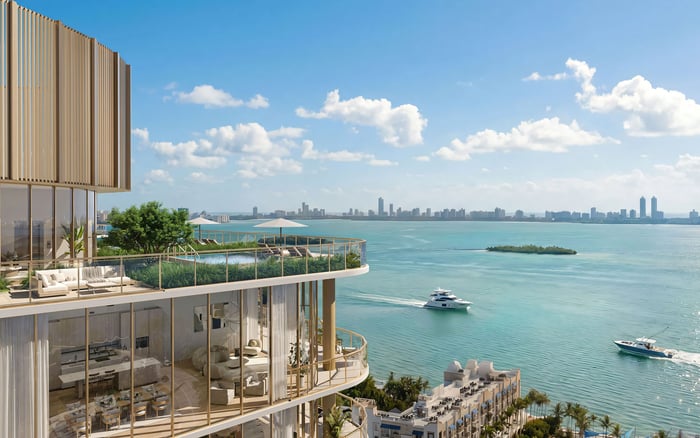
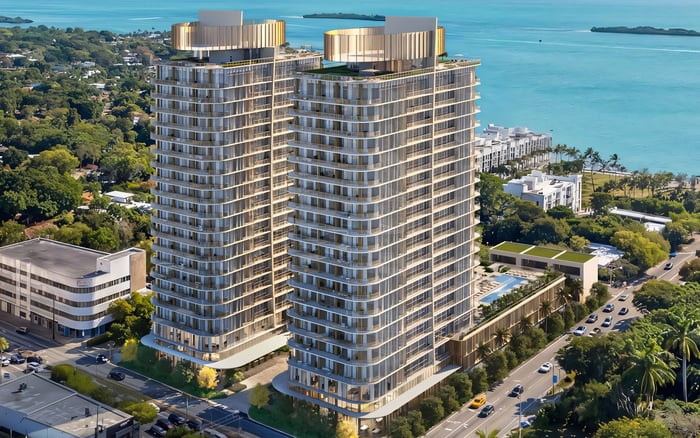
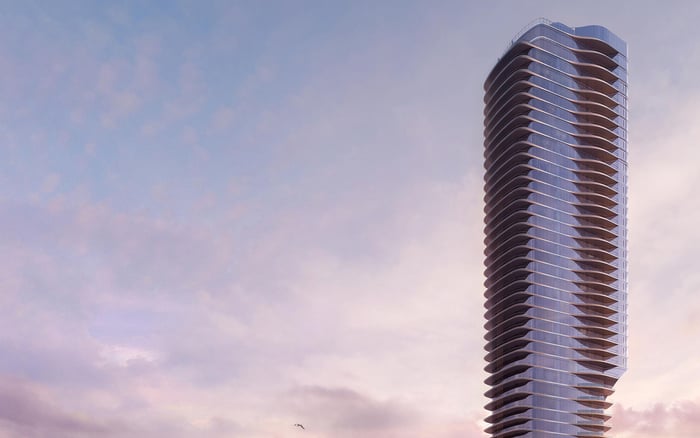
A buyer-focused guide to generator coverage diligence at Faena Residences Miami, with the key questions to ask about life-safety systems, elevators, water pressure, HVAC, fuel planning, association responsibility and in-unit resilience before committing to a Downtown Miami residence.

At Faena Residences Miami Downtown Miami, the question is not simply whether the building has a generator. The more important question is what that generator is designed to protect. In a luxury tower, backup power can mark the difference between basic code compliance and a broader continuity plan for vertical living, security, water pressure, cooling and the preservation of fine interiors.
For a buyer considering Faena Residences Miami Downtown Miami, generator coverage belongs in the core diligence conversation. It is a livability and value issue, not a mechanical footnote. Downtown Miami residences depend on elevators, domestic water booster pumps, access controls, corridor lighting, parking systems and staffed service areas. During an outage, the ownership experience is defined by which systems remain available, which are reduced to emergency-only function and which stop entirely.
The right approach is discreet but exacting: request the generator load schedule or, at minimum, a plain-English summary showing precisely what is included and excluded. That single document can clarify whether backup power is limited to code-required life-safety systems or extends to the broader expectations of a luxury residential environment.
Every serious review should begin with life-safety loads. Buyers should confirm whether backup power supports fire pumps, emergency egress lighting and elevator service for emergency operations. Those systems are essential, but they do not fully answer the questions that matter to an owner in a high-service residence.
The distinction is critical. Code-required emergency power may keep a building compliant, while standby power may support a more refined level of resilience. Ask whether the system was sized only for minimum emergency loads or whether additional capacity was planned for comfort, security and service continuity. This is especially relevant in New-construction and Pre-construction purchases, where buyers often have time to request technical exhibits before final commitments are made.
Downtown buyers comparing nearby luxury towers such as Waldorf Astoria Residences Downtown Miami and Aston Martin Residences Downtown Miami should apply the same standard: do not accept the word generator as a complete answer. Ask what it powers, how quickly it starts and how long it can run.
For High-floors, the most immediate outage questions are vertical circulation and water pressure. Buyers should verify whether at least one elevator remains operational during an outage and whether any additional passenger or service elevators receive generator power. One emergency elevator may satisfy a baseline requirement, but it may not support the rhythm of a fully occupied luxury tower, particularly if residents, staff, deliveries and emergency personnel are all competing for access.
Water is just as important. Ask whether generator power supports domestic water booster pumps so upper-floor residences can maintain water pressure during an outage. A residence can be beautifully finished and still become difficult to occupy if basic pressure falls away. In a Waterview tower environment, where owners may be seasonal, traveling or hosting guests, continuity of essential building infrastructure becomes part of the ownership proposition.
It is also worth asking whether backup power starts automatically when utility service fails or whether manual intervention by building staff is required. Automatic transfer can reduce delay and uncertainty; manual procedures place more weight on staffing, training and access during adverse conditions.
The most sensitive questions are often in-unit. Buyers should confirm whether individual residences receive any backup power or whether generator service is restricted to common areas and life-safety infrastructure. This is where assumptions can become costly.
Ask specifically whether in-unit air conditioning is connected to emergency or standby power. Code-required emergency power does not necessarily cover residential HVAC, and in South Florida, cooling is more than comfort. It can affect finishes, art, millwork, wardrobe storage and the overall ability to occupy a home after a prolonged outage.
Then move room by room through the systems that matter to your household. Are refrigerators, wine storage, smart-home controls, security systems and critical low-voltage components backed up? Are routers, access panels or residence-level monitoring devices connected to any protected circuit? If not, can an owner add private battery backup, UPS systems or other supplemental in-unit resilience measures without violating condominium rules or building standards?
Buyers considering design-led residences such as Casa Bella by B&B Italia Downtown Miami should treat backup power as part of interior stewardship. The more bespoke the finishes and systems, the more important it becomes to understand how the home behaves when utility service is interrupted.
A luxury tower is also a service ecosystem. Ask whether corridors, lobbies, amenity areas, valet zones and parking levels receive full, partial or emergency-only lighting during an outage. The difference is not cosmetic. Lighting affects security, navigation, staff operations and the sense of calm residents expect from a premium building.
Amenities deserve the same scrutiny. Confirm whether pools, fitness areas, spa spaces, private dining rooms and club-level services can operate during a prolonged outage. The answer may be no, or it may be limited. Either way, it should be understood before purchase, not discovered after a storm.
This is also where comparisons across the urban luxury market become useful. A buyer looking at Baccarat Residences Brickell may be evaluating a different neighborhood and lifestyle profile, but the generator questions remain strikingly similar: what is essential, what is enhanced and what is excluded?
Generator coverage is only as strong as the operating plan behind it. Ask how long the generator can operate under expected load before refueling is required. The phrase expected load matters, because runtime can change depending on which systems are actually drawing power.
Then ask whether the building has a documented fuel-delivery plan for post-storm conditions. Roads, bridges and supplier access can be disrupted after severe weather, and a fuel contract is not the same as a practical delivery plan. Buyers should understand whether the building has addressed access, vendor commitments and operational contingencies.
Finally, consider the post-turnover obligation. Ask whether the condominium association will be responsible for generator maintenance, routine testing, fuel contracts and reserve funding. Confirm the testing schedule and whether service logs, inspection records and test results will be available to owners. In a luxury condominium, resilience is not only installed during construction. It must be maintained, documented and funded over time.
Does generator coverage always include power inside my residence? No. Buyers should confirm whether backup power reaches individual residences or is limited to common-area and life-safety systems.
Should I ask whether in-unit air conditioning is backed up? Yes. Emergency power required for code compliance does not necessarily include residential HVAC.
What elevator question matters most during due diligence? Ask whether at least one elevator remains operational and whether any additional passenger or service elevators receive generator power.
Why do water booster pumps matter? Upper-floor residences may depend on booster pumps for reliable water pressure, so buyers should ask whether those pumps are generator-backed.
Is automatic generator start important? Yes. Automatic transfer can reduce uncertainty when utility service fails, while manual intervention depends on staffing and access.
Should amenity operation be part of the review? Yes. Ask whether pools, fitness areas, spa spaces, private dining and club services can operate during a prolonged outage.
How should buyers evaluate generator runtime? Ask how long the generator can operate under expected load before refueling is required.
Why ask about post-storm fuel delivery? Fuel access can be disrupted by road, bridge or supplier constraints, so the building should have a documented delivery plan.
Who maintains the generator after turnover? Buyers should ask whether the condominium association will handle maintenance, testing, fuel contracts and reserve funding.
What is the best way to shortlist comparable options for touring? Start with location fit, delivery status, and daily lifestyle priorities, then compare stacks and elevations to validate views and privacy.
If you'd like a private walkthrough and a curated shortlist, connect with MILLION.
If branded residences are on your mind — as a home or as an allocation — we would be glad to share what we are seeing, privately.
Begin a quiet conversation