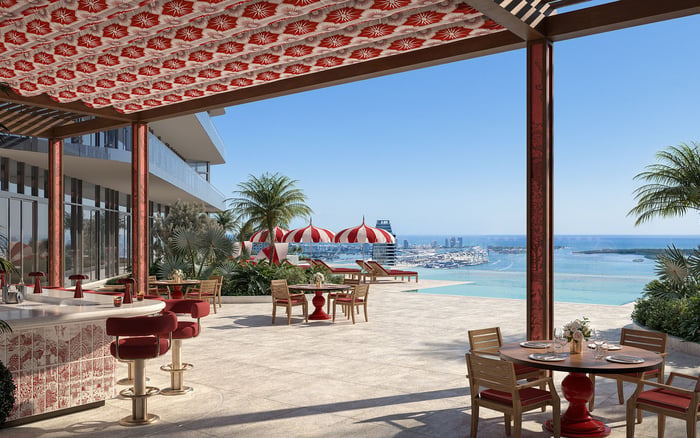
A discreet buyer’s comparison of Kempinski Residences Miami Design District and Faena Residences Miami Downtown, focused on lifestyle fit, neighborhood rhythm, design context, bayfront orientation, and long-term ownership logic.
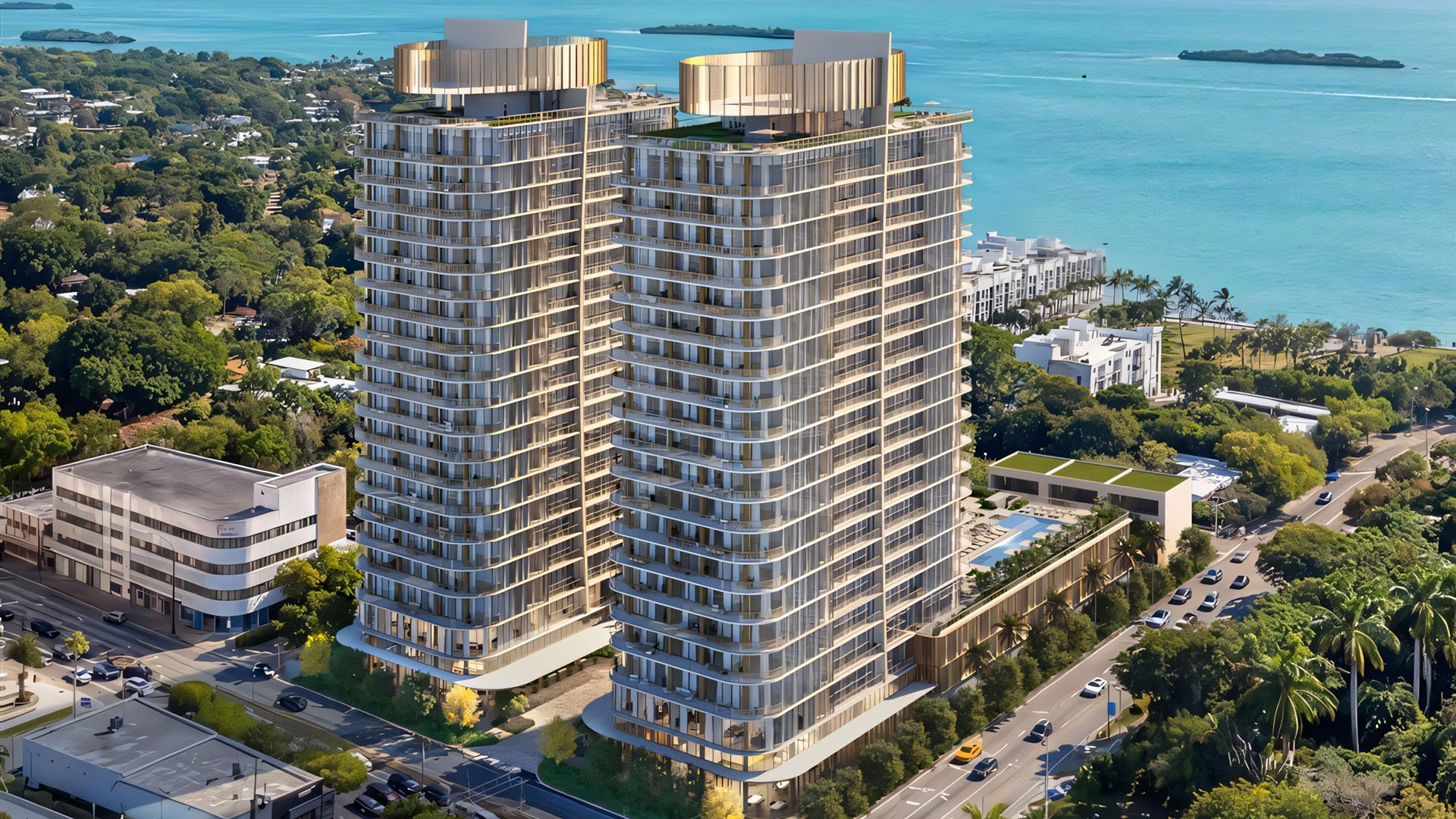
The comparison between Kempinski Residences Miami Design District and Faena Residences Miami Downtown is not simply a matter of which address carries more prestige. It is a question of how a buyer wants Miami to unfold each day: through the curated intimacy of a design-retail district, or through the broader civic theater of Downtown bayfront living.
Both propositions sit within Miami’s increasingly branded, design-conscious residential market, yet they speak to different temperaments. One favors proximity to fashion, galleries, interiors, collectible objects, and a neighborhood shaped by taste-making. The other favors waterfront outlook, cultural access, city energy, and the feeling of connection to Miami’s larger urban stage.
For the ultra-prime buyer, the most useful comparison begins with lifestyle choreography. Where do you want to take coffee? How often do you host? Do you prefer a quieter district that feels curated and contained, or a bayfront environment where movement, performance, dining, and skyline drama define the daily atmosphere?
The Design District buyer tends to be highly intentional. This is often someone who sees a residence not only as shelter or investment, but as an extension of an aesthetic system. The appeal is adjacency: design showrooms, luxury retail, art, restaurant culture, and the quiet pleasure of being surrounded by objects and spaces made with discernment.
In this context, Kempinski’s name carries a hospitality association that can feel natural to buyers seeking service language without necessarily wanting the density of a more conventional business district. The neighborhood setting suggests a lifestyle of short, precise movements rather than long commutes for refined experiences. It is a choice for the buyer who prefers edited access over maximal urban spectacle.
This is also where Miami’s residential conversation has broadened. Buyers considering Kempinski may also study nearby or adjacent urban alternatives such as Miami Design Residences Midtown Miami, not because the offerings are interchangeable, but because both belong to a larger question: how close should home be to the creative and retail core of mainland Miami?
Faena Residences Miami Downtown sits in a different mental category. Downtown is not merely a location; it is a more kinetic environment, with the bay, civic institutions, cultural venues, restaurants, and skyline movement shaping the residential experience. For buyers who want Miami to feel expansive, connected, and visually open, this orientation has clear appeal.
The phrase “bayfront living” matters because it implies more than a view. It suggests a day organized around light, water, changing weather, evening reflections, and the drama of the city’s edge. A buyer drawn to Faena Downtown may be less concerned with being steps from luxury retail and more focused on living within a cultural corridor where entertainment, dining, arts, and waterfront presence shape the mood.
This is why Downtown comparisons often include other vertical, skyline-driven residences such as Waldorf Astoria Residences Downtown Miami and Casa Bella by B&B Italia Downtown Miami. Each frames Downtown differently, yet all speak to buyers who see the city center as a legitimate luxury residential environment rather than simply a commercial core.
The essential distinction is not quiet versus busy, or boutique versus grand. It is precision versus panorama. Kempinski’s Design District context is about proximity to a rarefied ecosystem. Faena’s Downtown bayfront context is about scale, culture, and the feeling of Miami as a city in motion.
A Design District owner may value the ability to step into a world of curated fashion, furniture, art, and dining without needing a resort-style setting. The neighborhood itself does part of the amenity work. It can feel polished, deliberate, and highly specific.
A Downtown bayfront owner may value a broader itinerary: waterfront walks, events, dining before or after performances, and the option to move quickly into Brickell, Edgewater, Miami Beach, or the airport corridor. Downtown is less singular in mood, but more connected to multiple versions of Miami.
This is a new-construction and pre-construction style decision shaped by Downtown energy, Brickell adjacency, and the premium many buyers place on water-view orientation. The words matter because each points to a different ownership strategy, not just a different building.
For many luxury buyers, the real test is arrival. How does the building feel when returning from dinner, a flight, a private meeting, or a weekend away? A Design District residence may offer a more composed return, with a neighborhood experience that feels curated even before one reaches the lobby. The energy is selective rather than expansive.
Downtown’s arrival is more urban. It may feel more dramatic, more vertical, and more connected to the city’s pulse. For some buyers, that is the point. A primary residence in Downtown can make Miami feel like a true international city rather than a seasonal resort market.
Privacy also has different expressions. In the Design District, privacy may come from a sense of neighborhood control and a narrower lifestyle orbit. Downtown privacy is more likely to depend on the quality of building design, vertical separation, service, access, and residence orientation. Neither is inherently superior. The better choice depends on how visible or removed the owner wants to feel.
Ultra-prime buyers rarely purchase only on yield. They purchase scarce positioning, brand language, service confidence, and a story that will remain legible to future buyers. Still, resale logic matters.
Kempinski’s Design District thesis is linked to the continuing desirability of living near Miami’s most concentrated design-retail environment. If a future buyer values that immediate cultural and commercial adjacency, the argument remains clear and easy to explain.
Faena Downtown’s thesis is tied to the broader maturation of Downtown bayfront living. If Miami’s center continues to attract buyers who want culture, skyline, water, and mobility, the story is similarly coherent. The buyer pool may differ, with more interest from those who want an urban waterfront lifestyle rather than a district-specific design address.
Comparable decisions may pull in neighboring markets as well. Aria Reserve Miami, for example, belongs to the wider waterfront and skyline conversation, while projects in Brickell speak to buyers who prefer a financial-district rhythm. The sophisticated buyer studies these alternatives not to dilute the decision, but to clarify the lifestyle premium being paid.
Choose Kempinski Residences Miami Design District if your ideal Miami is refined, edited, and close to the city’s design-retail core. It is a compelling fit for collectors, frequent hosts of intimate dinners, fashion and design patrons, and owners who prefer a neighborhood with a strong point of view.
Choose Faena Residences Miami Downtown if your ideal Miami is cinematic, connected, and shaped by waterfront light and cultural movement. It is better suited to buyers who want the bay, the skyline, and the city’s performing and dining life to feel like part of the residence itself.
The final decision should be made through lived scenarios. Spend a morning in the Design District, then an evening Downtown. Imagine a weekday, not only a holiday weekend. Picture where guests arrive, where you dine casually, where you walk alone, and where you want the car to remain unused. In Miami’s top tier, the best purchase is often the one that makes daily life feel most natural.
Is Kempinski Residences Miami Design District better for retail access? It is the more natural choice for buyers prioritizing proximity to the Design District’s design-retail environment and curated neighborhood rhythm.
Is Faena Residences Miami Downtown better for bayfront living? It is positioned around the Downtown bayfront lifestyle, making it more aligned with buyers who value water, skyline, culture, and urban movement.
Are the two projects direct substitutes? Not exactly. They compete for sophisticated Miami buyers, but their neighborhood propositions and daily lifestyles are meaningfully different.
Which feels more private? Kempinski may appeal to buyers seeking a more edited district setting, while Faena Downtown may rely more on vertical living, service, and residence orientation.
Which is better for a primary residence? Either can work. The better fit depends on whether your daily routine is more design-district focused or culturally and bayfront oriented.
Which is better for a second home? Kempinski may suit short, refined stays centered on retail and dining, while Faena may suit visits built around events, water views, and city access.
Should Brickell buyers consider Faena Downtown? Yes, if they want proximity to Brickell without living directly inside its business-district rhythm.
Does water-view orientation matter more Downtown? It can be a defining part of the Downtown value proposition because bayfront orientation is central to that lifestyle.
Is new-construction the main appeal here? New-construction is part of the appeal, but the stronger question is whether the neighborhood identity matches the buyer’s long-term routine.
Is pre-construction buying mainly about timing? Timing matters, but the more durable decision is whether the address, brand language, and lifestyle thesis will remain desirable.
When you're ready to tour or underwrite the options, connect with MILLION.
If branded residences are on your mind — as a home or as an allocation — we would be glad to share what we are seeing, privately.
Begin a quiet conversation