A buyer-focused due diligence guide to delivery-room capacity at Ocean 580 Pompano Beach, covering package storage, groceries, vendor circulation, overflow procedures, staffing, and written condo rules.
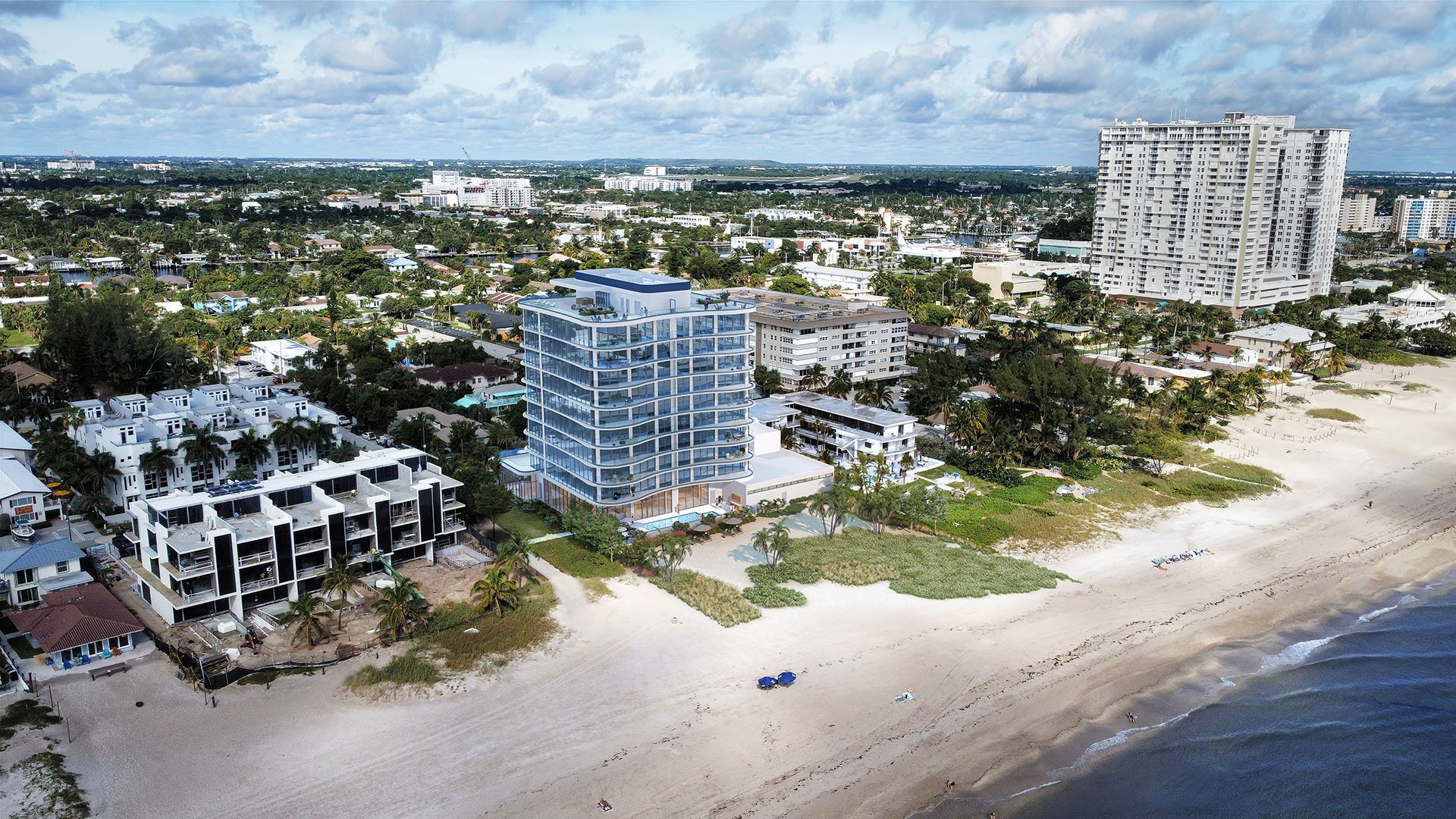
In a refined coastal residence, the most consequential details are often the least theatrical. Before buying at Ocean 580 Pompano Beach, delivery-room capacity deserves the same disciplined review as views, terraces, parking, and amenity access. The question is not simply where a box is placed. It is how the building absorbs the daily cadence of parcels, groceries, restaurant orders, service providers, designer shipments, flowers, wine, and occasional oversized deliveries without compromising privacy or ease.
This is especially relevant in a boutique oceanfront setting, where fewer residences can create a more intimate experience, but not always a limitless back-of-house footprint. Oceanfront living in Pompano Beach is increasingly convenience-driven. Residents expect frictionless arrivals, discreet vendor movement, secure storage, and minimal interruption in primary spaces. Delivery capacity is therefore a lifestyle question, not a minor operations detail.
Ask for the exact size, location, layout, and access route of the mailroom, package room, or delivery-receiving area. A buyer should understand whether Ocean 580 has a dedicated package room or whether deliveries are handled through the lobby, concierge desk, service corridor, or another shared area. Each arrangement can work, but each carries different implications for crowding, security, staff workload, and resident visibility.
Capacity should be discussed in practical terms. How many parcels is the building designed to hold on a normal weekday? What happens during holiday peaks, seasonal occupancy spikes, and storm-preparation periods, when residents may be ordering more than usual? A polished sales presentation may show the front door beautifully; a serious buyer asks what happens behind it at 6 p.m., when groceries, meal kits, dinner orders, and courier packages arrive at the same time.
Also ask whether the delivery area is organized by category. Small parcels, oversized boxes, refrigerated groceries, flowers, wine, meal kits, and temperature-sensitive items do not belong in a single undifferentiated pile. If perishables are common in your household, confirm whether any part of the receiving area is climate-controlled or refrigerated, and who monitors items that require prompt pickup.
The most elegant buildings separate public arrival from service movement. At Ocean 580 Pompano Beach, buyers should ask whether there is a dedicated loading area, service entrance, or loading path that keeps vendors and delivery carts out of primary resident spaces. If a delivery driver enters through the same sequence as owners and guests, that may affect the feeling of privacy during peak hours.
Vehicle logistics matter as well. Can delivery vehicles legally and practically stop near the building without double-parking, blocking traffic, or disrupting beach-area circulation? Are there height, turning-radius, curb, access, or staging limitations for trucks approaching the property? These questions become more important when receiving furniture, art, appliances, renovation materials, or designer shipments, because oversized items rarely move like ordinary parcels.
Buyers comparing the Pompano Beach luxury corridor might ask similar questions at Armani Casa Residences Pompano Beach, The Ritz-Carlton Residences® Pompano Beach, and other premium addresses. The answer is not one-size-fits-all. The point is to make delivery circulation visible before it becomes part of daily life.
A delivery room is only as effective as the operating protocol behind it. Ask who logs, secures, releases, and monitors packages. Is it the concierge, front desk, property manager, third-party staff, or residents themselves? If staffing hours change, does the package process change with them?
Technology is another useful indicator. Ask whether Ocean 580 uses package lockers, digital delivery notifications, access-control logs, cameras, barcode scanning, or other package-management tools. The absence of a particular system is not automatically a problem, but the building should have a coherent method for knowing what arrived, where it is stored, when a resident was notified, and when the item was released.
Food and grocery deliveries require separate attention. Ask what the written policy says about unattended deliveries, restaurant drop-offs, grocery orders, and resident pickup deadlines. Will staff bring packages to residences, or must residents retrieve everything from a central area? If the building allows delivery drivers beyond the lobby, how are resident, guest, contractor, and delivery-driver circulation separated for security and privacy?
For buyer diligence, this is where the distinction between amenity and operation becomes clear. A beautiful lobby is experiential. A well-run package system is protective. Buyers considering W Pompano Beach Hotel & Residences or Waldorf Astoria Residences Pompano Beach should apply the same lens: what is promised, what is documented, and who is responsible for execution?
The true test of delivery capacity is not an average day. It is overflow. Ask what happens when the delivery room exceeds capacity. Where do packages go? Who monitors them? Are overflow items moved to a secondary area, held by staff, left in a corridor, or refused? A luxury buyer should not discover the answer during a December travel week or while furnishing a new residence.
Peak-load procedures are equally important. Ask how the building handles holidays, storms, elevator outages, move-ins, renovations, and major resident events. A residence may feel private on a quiet tour, but move-in activity and contractor scheduling can strain elevators, service corridors, and staff attention. If you plan to renovate, furnish heavily, or maintain a seasonal household, the building’s vendor-access procedures may affect your timeline as much as your designer’s schedule.
Finally, determine who controls the rules. Delivery policies may be set by the developer, condo association, property manager, or concierge operator, and they may change after purchase. Before contract deadlines, review the condo documents, house rules, move-in rules, vendor-access procedures, and any package-room policies. Ask current management or sales representatives for real examples of how the building handles parcel volume, grocery orders, restaurant deliveries, and large-item receiving.
Delivery-room capacity is not a glamorous question, which is precisely why it can be revealing. It exposes how a building thinks about privacy, staffing, circulation, and resident convenience after the closing celebration is over. At Ocean 580 Pompano Beach, the right diligence is not to assume a problem or a solution. It is to ask for the room, the route, the policy, the staffing model, the overflow plan, and the documents that govern them.
For a high-value coastal purchase, serenity is created by design and preserved by operations. The most satisfying residences make the everyday feel effortless. Delivery capacity is one of the quiet systems that helps make that possible.
Why should delivery-room capacity matter at Ocean 580 Pompano Beach? Delivery volume can affect convenience, privacy, lobby experience, staff workload, and daily livability in a boutique luxury condo.
What should I ask to see first? Ask for the exact size, location, layout, and access route of the mailroom, package room, or receiving area.
Is a dedicated package room essential? Not always, but you should know whether deliveries are handled in a dedicated room, lobby, concierge area, service corridor, or improvised space.
How should groceries and meal kits be handled? Ask whether there are separate zones for perishables and whether any storage area is climate-controlled or refrigerated.
What about oversized deliveries? Ask how furniture, art, appliances, renovation materials, and designer shipments are received, staged, and moved through the building.
Should I ask about delivery vehicles? Yes. Confirm whether vehicles can stop legally and practically without blocking traffic or interfering with beach-area circulation.
Who is responsible for package security? Ask whether concierge, front desk, management, third-party staff, or residents log, secure, monitor, and release packages.
What happens if the delivery room is full? Ask where overflow packages go, who monitors them, and whether the building has written procedures for peak periods.
Can delivery policies change after purchase? They can, depending on whether policies are controlled by the developer, association, property manager, or concierge operator.
When should I review delivery rules? Review condo documents, house rules, move-in rules, vendor-access procedures, and package policies before contract deadlines.
If you'd like a private walkthrough and a curated shortlist, connect with MILLION.
If branded residences are on your mind — as a home or as an allocation — we would be glad to share what we are seeing, privately.
Begin a quiet conversation