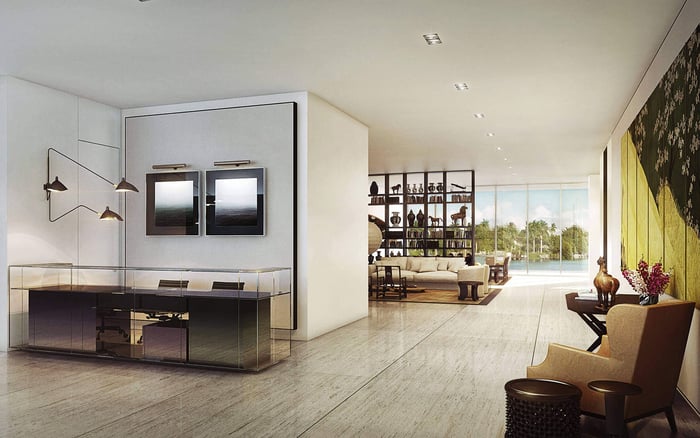
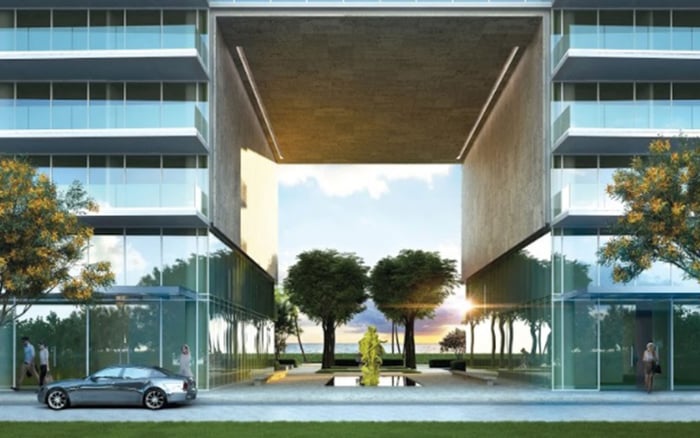
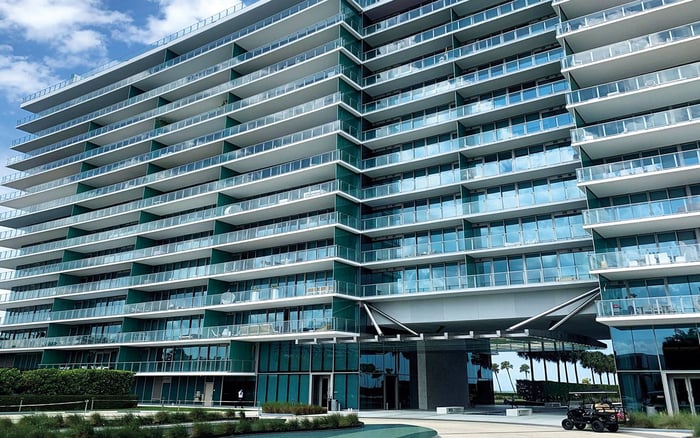
A buyer-focused look at how THE WELL Bay Harbor Islands frames wellness as daily residential infrastructure, not decorative spa luxury, within a quieter Bay Harbor Islands setting near Bal Harbour and Surfside.
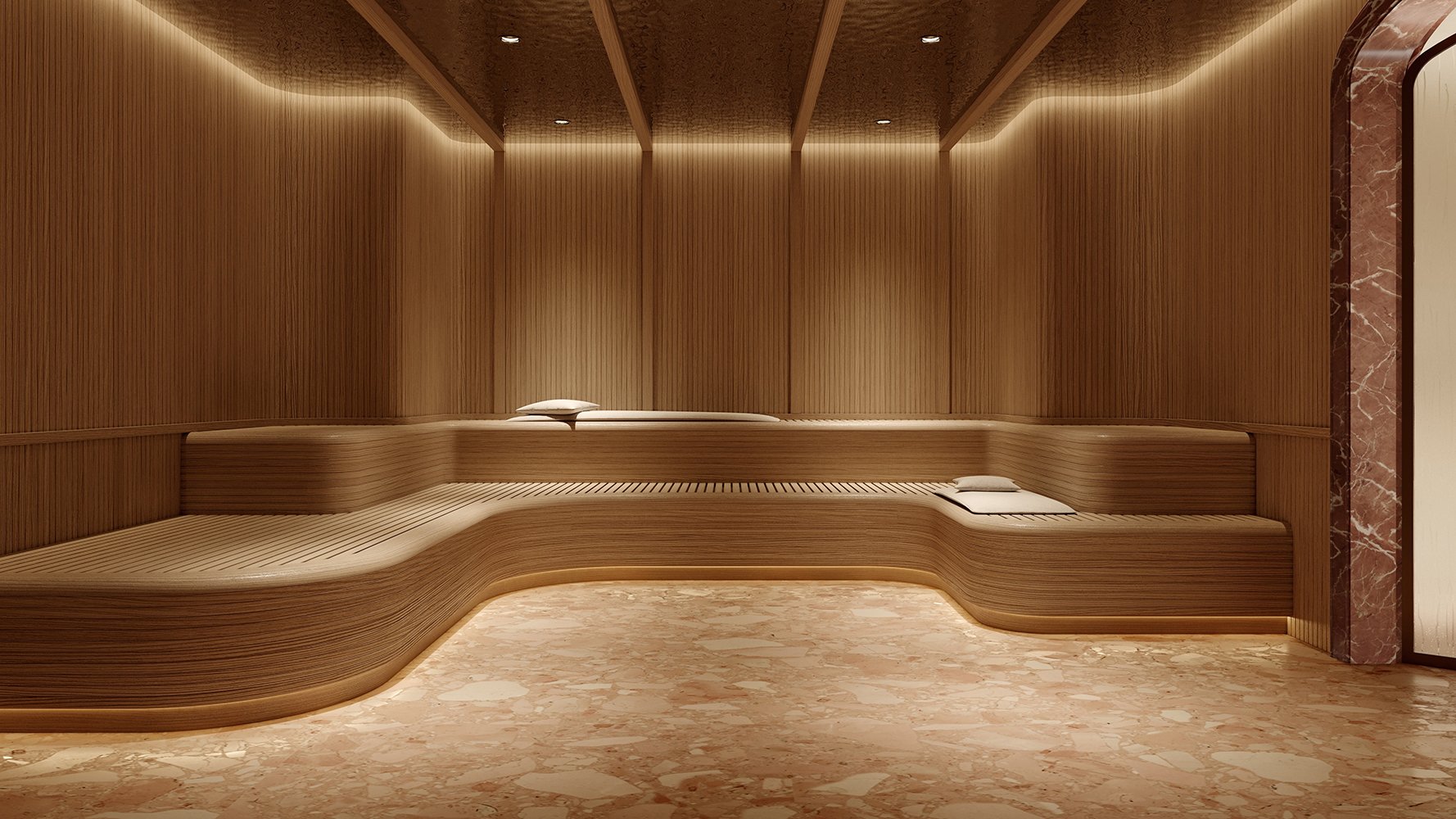
For years, wellness in luxury real estate was easy to recognize: a serene treatment room, a sculptural pool, a eucalyptus-scented lounge, or a yoga deck staged for golden-hour photography. Those elements can still shape perception, but the most sophisticated buyers in South Florida are asking a more consequential question: what does the building do for daily life when no one is watching?
That is the lens through which The Well Bay Harbor Islands should be understood. The project is positioned as a wellness-branded residential address in Bay Harbor Islands, yet its more durable proposition is not simply that it looks calm. It is that wellness is meant to be considered through architecture, building systems, programming, and the resident experience.
This distinction is central to the next chapter of branded residences in South Florida. Hospitality once entered the condominium market through service, design, and name recognition. Wellness now asks to be judged by a more intimate standard: how a home supports physical comfort, mental clarity, and emotional ease across ordinary routines.
The highest-value wellness features are often the least theatrical. Buyers may tour a residence and remember the view, the kitchen, or the terrace first. Yet the deeper daily experience can be shaped by air quality, water quality, lighting, acoustics, and materials. These are not merely decorative gestures. They are infrastructure decisions that affect how a space feels in the morning, during focused work, after travel, or in the quiet hours before sleep.
At THE WELL Bay Harbor Islands, the wellness narrative is best evaluated through these less visible choices. Lighting, for example, should be reviewed as more than a purely aesthetic layer. A buyer assessing wellness value should ask how the residence handles brightness, glare, softness, and the transition between daytime energy and evening calm.
Acoustics also belong in this conversation. South Florida’s most desirable addresses are often defined by energy, water, dining, and movement. In that context, quiet becomes a luxury of its own. A wellness-focused residence is not only a place to entertain or display taste. It is a place to recover from the intensity of the market around it.
Location gives the concept its credibility. Bay Harbor Islands offers a quieter, more intimate alternative to denser Miami luxury nodes while remaining close to Bal Harbour and Surfside. That combination matters. A wellness-branded residence would feel less convincing if its neighborhood worked against the promise of calm.
The Bay Harbor setting supports a smaller-scale, more residential rhythm. It is close enough to established luxury destinations to remain connected, yet removed enough to feel intentionally composed. That is particularly relevant for buyers who split time between multiple homes, travel frequently, or want proximity without constant exposure to Miami’s highest-density districts.
Nearby projects help illustrate the area’s broader residential appeal. Alana Bay Harbor Islands reflects the boutique character many buyers associate with the islands, while Rivage Bal Harbour underscores the strength of the luxury corridor just beyond the neighborhood. Across the bridge, Ocean House Surfside speaks to the enduring demand for refined coastal living in a nearby enclave.
Wellness branding is easy to state and difficult to operationalize. A building can present a spa-like palette, but buyers ultimately discover value through repeated experience. Programming and service integration are therefore essential to the proposition at THE WELL Bay Harbor Islands.
This is where the concept moves beyond amenities. A gym is a room. Programming gives it a point of view. A treatment suite is a feature. Service integration can make it part of a resident’s weekly rhythm. A tranquil lobby is pleasant. A building that consistently supports recovery, movement, nutrition, rest, and privacy becomes more difficult to replicate.
For affluent buyers, that operational layer may be as important as the architecture itself. The best version of wellness real estate does not require residents to manage every detail independently. It reduces friction. It makes healthy choices easier to access. It allows the home to act less like a static asset and more like a platform for better routines.
This is also why comparisons to other wellness-minded addresses should be made carefully. The Well Coconut Grove extends the same broader conversation into a different Miami neighborhood context. The more important point is not which address feels more serene in a rendering. It is how each project translates wellness into livability, privacy, and repeatable daily value.
For buyers, the most important due diligence is to separate mood from mechanism. Spa aesthetics can be photographed. Building systems, material decisions, lighting strategies, acoustic intent, and service programming require more careful review.
The questions should be practical. How does the residence manage light at different times of day? What parts of the wellness experience are built into the home, and what parts depend on shared spaces? How does the building support privacy, quiet, and ease of movement? Which services are central to the resident experience rather than simply optional enhancements?
This is especially relevant in new-construction luxury, where buyers often make decisions before a building has matured into lived experience. In that environment, a wellness claim should be understood as a promise of design intent and operational discipline. The strongest projects will be those where the concept survives contact with daily life.
THE WELL Bay Harbor Islands is positioned for buyers who evaluate wellness through infrastructure and livability, not just amenities. That makes the project less about indulgence and more about alignment. The home is expected to support the owner’s routines, recovery, focus, and sense of balance.
South Florida luxury has already absorbed the language of hospitality, design, and brand identity. Wellness may be the next filter through which buyers distinguish projects that feel current from those that simply feel expensive.
THE WELL Bay Harbor Islands is an early signal of how wellness-driven residential assets may influence expectations in Miami’s luxury market. If the concept resonates, it could encourage buyers to look more closely at what is behind the walls, not only what is visible on the amenity deck. That would be a meaningful evolution.
The lifestyle implication is subtle but powerful. Luxury is no longer measured only by access, square footage, finishes, or views. It is increasingly measured by how a residence helps its owner live with less friction. In Bay Harbor Islands, that idea has a natural setting: intimate, connected, and composed enough to make wellness feel like a residential discipline rather than a marketing theme.
What is THE WELL Bay Harbor Islands? THE WELL Bay Harbor Islands is positioned as a wellness-branded residential project in Bay Harbor Islands, Florida.
How is its wellness concept different from a spa amenity? Its value is framed around wellness integrated into the residence, including architecture, systems, programming, and daily experience.
Why do less visible features matter in wellness real estate? Air quality, water quality, lighting, acoustics, and materials can shape comfort even when they are not immediately visible.
What should buyers ask about lighting? Buyers should ask how the residence manages brightness, glare, softness, and transitions between daytime and evening use.
Why does Bay Harbor Islands fit the wellness positioning? The neighborhood offers a quieter, smaller-scale residential setting while remaining close to Bal Harbour and Surfside.
Who is the likely buyer for this type of residence? The project is positioned for affluent South Florida buyers who value infrastructure, livability, and wellness-oriented routines.
Does wellness branding guarantee health outcomes? No. Buyers should view wellness features as design and lifestyle supports, not as guarantees of specific medical results.
How should buyers evaluate the project? They should examine building systems, lighting, acoustics, materials, programming, and how services translate into daily life.
Is this part of a broader Miami luxury trend? Yes, it reflects the rise of branded residential hospitality and wellness-driven buyer expectations in South Florida.
What makes the project strategically notable? It suggests that future luxury buyers may weigh wellness infrastructure as seriously as visible amenities and design.
If you'd like a private walkthrough and a curated shortlist, connect with MILLION.
If branded residences are on your mind — as a home or as an allocation — we would be glad to share what we are seeing, privately.
Begin a quiet conversation