A buyer-focused guide to smart-home cybersecurity due diligence at Palm Beach Residences, covering connected systems, network separation, privacy, access control, vendors, updates, incident response, and association turnover.
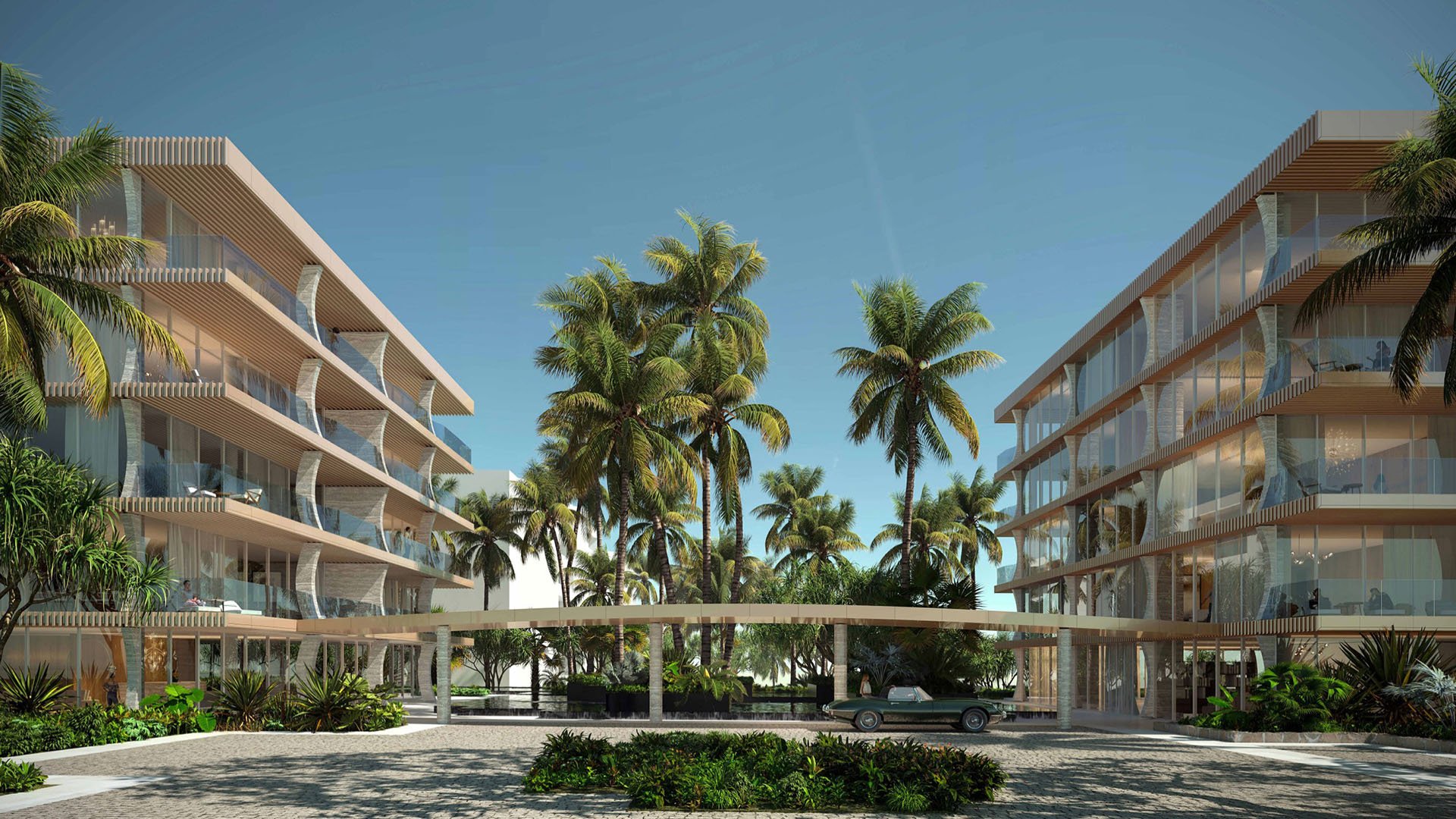
In the most refined residences, technology is designed to disappear. Lights adjust without friction, shades respond quietly, climate is calibrated before arrival, and access is managed through phones, fobs, apps, intercoms, and concierge systems. That seamlessness is part of the appeal. It is also why a buyer considering Palm Beach Residences should treat smart-home cybersecurity as a core part of pre-purchase due diligence.
For Palm Beach buyers comparing new-construction offerings, the cyber layer belongs beside physical security, structural quality, hurricane resilience, insurance review, and building governance. The point is not to assume weakness. It is to ask disciplined questions before closing, while documents can still be reviewed, permissions clarified, and long-term responsibilities understood.
The first question is direct: what exactly is networked inside the residence? A serious review should identify locks, lighting, climate controls, tablets, intercoms, cameras, speakers, shades, leak sensors, and appliance integrations. Buyers should ask whether those systems are fully owner-controlled, partially vendor-managed, or connected to building platforms.
The second question moves beyond the front door. Which building-wide systems connect to resident units? Access control, elevators, parking, visitor management, concierge apps, package rooms, amenity reservations, and Wi-Fi can all shape the resident experience. They can also create shared digital dependencies. In a luxury market where buyers may compare Palm Beach with Alba West Palm Beach or other nearby residences, the sophistication of the technology conversation can be as revealing as the finishes.
A buyer does not need to become a systems engineer. A buyer does need a plain-English explanation of the network architecture. The essential question is whether resident devices, building operations, guest Wi-Fi, security cameras, and property-management systems are segmented.
Segmentation matters because luxury buildings combine private life with shared infrastructure. Ask whether each residence has a private network isolated from other units and from shared building systems. Ask whether guest Wi-Fi is separated from resident devices. Ask whether cameras, access systems, and property-management tools sit on distinct networks with limited permissions.
The answer should be clear without jargon. If it cannot be explained plainly, the buyer should keep asking until the practical risk is visible: who can connect, what they can reach, and what happens if one part of the system is compromised.
In a connected residence, administrator access is a form of control. Buyers should ask who has it: the owner, developer, condominium association, property manager, technology integrator, concierge staff, vendors, or cloud-service providers. The answer should distinguish between temporary setup access, ongoing maintenance access, emergency access, and full administrative privileges.
Owners should also confirm whether they can change default passwords, disable unused features, remove vendor access, and set permissions for staff, guests, family members, and assistants. Remote access to locks, cameras, intercoms, HVAC, and smart-home dashboards deserves particular scrutiny, including whether multi-factor authentication is required.
This is not a theoretical luxury issue. A residence may be occupied seasonally, staffed regularly, and visited by family, advisors, contractors, and guests. The more fluid the household, the more important it becomes to revoke access cleanly when a phone, fob, vendor account, or staff credential no longer belongs in the system.
Privacy in a high-end condominium is not only about sightlines, elevators, and service protocols. It is also about data. Buyers should ask what the building and smart-home systems collect: entry logs, guest names, license plates, elevator activity, amenity use, camera footage, app activity, and staff access records.
Then ask how long that information is retained, who can view it, who can export it, and whether access is logged. The condominium documents, privacy policy, or resident-app terms should explain data ownership, vendor sharing, retention practices, and breach-notification procedures.
For a buyer considering the broader West Palm Beach corridor, including Forté on Flagler West Palm Beach, these questions help separate lifestyle language from operational clarity. A polished app is not enough. The documents should define what the app knows, who controls it, and what rights the owner has.
Smart locks, fobs, mobile credentials, elevator permissions, and visitor systems sit at the intersection of cybersecurity and physical security. Ask whether smart locks and access-control systems include audit logs, tamper alerts, emergency override procedures, and a secure process for revoking lost phones, fobs, or staff credentials.
If the building uses cloud-connected cameras or video intercoms, ask whether video access is restricted, logged, encrypted, and limited by role. A concierge may need one level of access, a property manager another, and a vendor something far narrower. The system should reflect that hierarchy.
Luxury buyers often focus on whether access is effortless. The deeper question is whether access is accountable. When a guest enters, a credential changes, or a device is lost, the building should be able to respond without confusion.
Connected buildings require ongoing care. Ask how software and firmware updates are handled for smart-home panels, locks, cameras, routers, access systems, building automation, and resident apps. Buyers should know whether updates are automatic, scheduled, vendor-managed, association-approved, or owner-controlled.
Third-party vendors deserve equal scrutiny. Ask whether they undergo security review, carry cyber liability insurance, and are contractually required to protect resident data. Ask what happens if a technology vendor goes out of business, discontinues a product, suffers a breach, or loses cloud-service availability.
This type of questioning is increasingly relevant across branded and service-forward residences, from Palm Beach to projects such as Mr. C Residences West Palm Beach. The more a lifestyle depends on integrated technology, the more important vendor continuity becomes.
Buyers should ask whether they can opt out of specific smart features, replace in-unit networking equipment, or install independent cybersecurity controls without violating building rules. Some owners may want a separate router, a privacy-focused camera policy, or stricter permissions for household staff.
The turnover question is equally important. Cybersecurity responsibilities should transfer clearly from the developer to the condominium association after turnover. Who maintains building systems? Who approves vendors? Who manages incident response? Who trains staff on phishing, credential handling, visitor verification, privacy, and safe use of concierge and access-control platforms?
In residences such as The Ritz-Carlton Residences® West Palm Beach, buyers naturally evaluate service, privacy, and operational polish. The same standard should apply to smart-home governance: clear roles, documented procedures, and a resident experience that is elegant because it is controlled.
What is the first cybersecurity question to ask before buying? Ask for a complete list of in-unit and building-wide systems that connect to networks, apps, cloud services, or resident devices.
Should smart-home cybersecurity be part of legal due diligence? Yes. It should be reviewed alongside condominium documents, privacy terms, insurance considerations, physical security, and building operations.
Why does network segmentation matter in a condominium? Segmentation helps separate private resident devices from other units, guest Wi-Fi, cameras, building operations, and management systems.
Who should have administrator access to smart-home controls? Buyers should ask exactly who has access, why they need it, how long they keep it, and whether the owner can remove it.
Is multi-factor authentication important for smart-home systems? Yes. Remote access to locks, cameras, intercoms, HVAC, and dashboards should be protected with stronger login requirements.
What privacy questions should buyers ask? Ask what data is collected, how long it is retained, who can view it, who can export it, and how breaches are handled.
Do smart locks require special review? Yes. Ask about audit logs, tamper alerts, emergency overrides, and procedures for revoking lost phones, fobs, or staff credentials.
What should buyers ask about software updates? Ask who updates panels, locks, cameras, routers, building automation, access systems, and resident apps, and how updates are approved.
Can an owner opt out of smart-home features? Buyers should ask whether opt-outs, equipment replacement, or independent cybersecurity controls are allowed under building rules.
What happens after condominium association turnover? Cybersecurity duties should transfer clearly, including vendor oversight, staff training, incident response, and ongoing system maintenance.
For a confidential assessment and a building-by-building shortlist, connect with MILLION.
If branded residences are on your mind — as a home or as an allocation — we would be glad to share what we are seeing, privately.
Begin a quiet conversation