In Palm Beach Gardens, buyers evaluating waterfront living should examine dockage rights, vessel fit, route constraints, marina arrangements, and related costs alongside the residence itself.
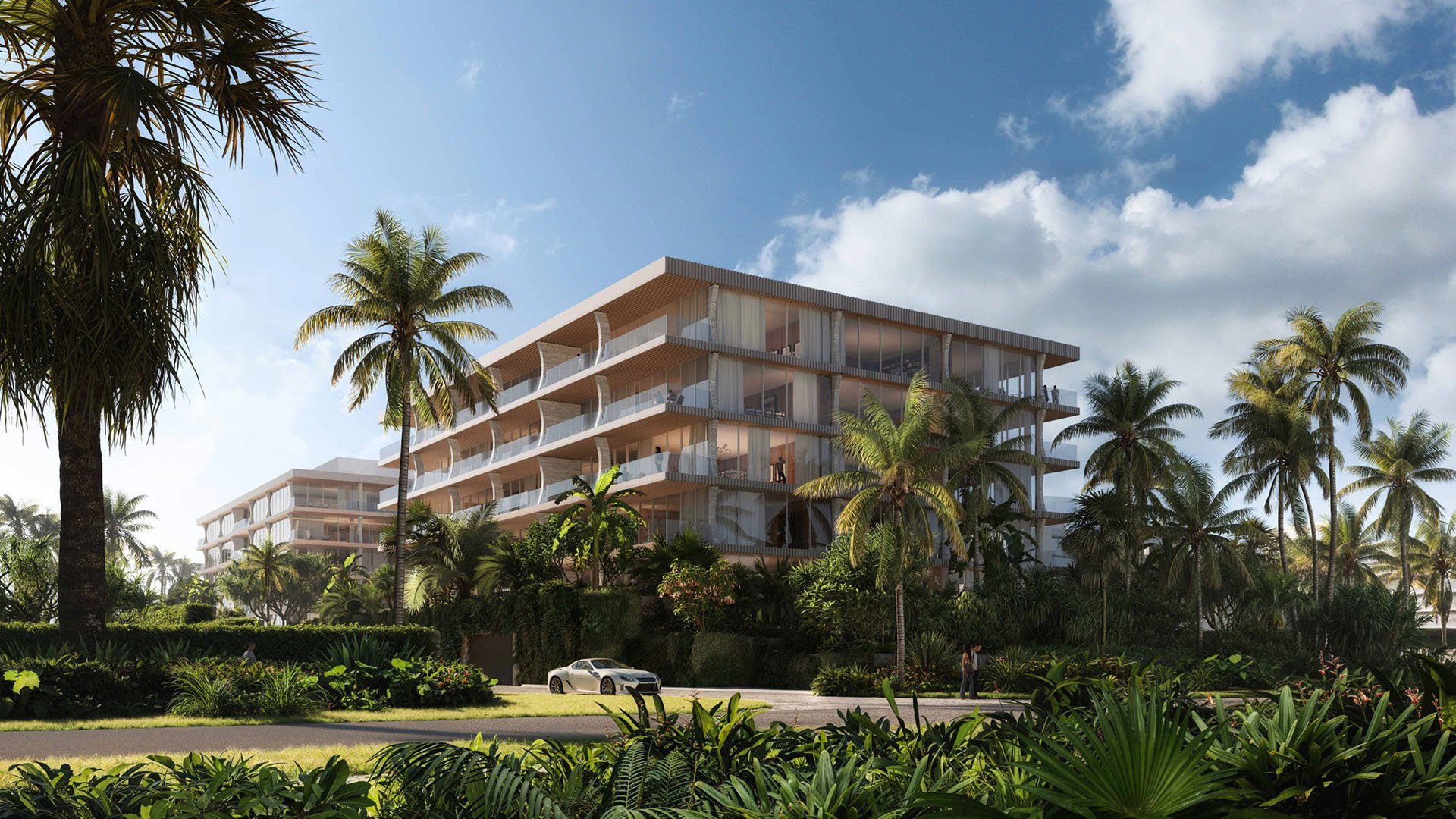
In Palm Beach Gardens, a water view and practical boating access are separate considerations. A buyer should determine whether a residence includes a specific dockage right, offers access through a separate arrangement, or simply sits near a marina.
For buyers considering The Ritz-Carlton Residences® Palm Beach Gardens, the useful question is not merely whether boating infrastructure is nearby. The residence, slip arrangement, vessel, route, and ownership objectives should be evaluated together.
Before signing a contract, request the documents governing the contemplated slip or marina access. Determine whether dockage is conveyed with the residence, assigned separately, leased, purchased independently, subject to availability, or provided by an off-site operator.
The review should also address renewal terms, transfer provisions, vessel approval, insurance requirements, utilities, guest access, parking, operating procedures, and storm-related responsibilities. Any material representation should be confirmed in the governing documents and with the appropriate property, marina, legal, or marine professionals.
A vessel-specific review should consider length overall, beam, loaded draft, and maximum air draft. Towers, antennas, outriggers, and other equipment can affect whether the boat fits a berth or can travel beneath structures along the intended route.
Berth dimensions are only part of the analysis. Buyers should assess approach conditions, turning room, tide considerations, bridge constraints, inlet access, and the complete trip between the residence, marina, and open water. A qualified marine professional can help test the contemplated vessel against actual operating conditions.
A bridge along the regular route can influence departure planning and the practicality of spontaneous use. The relevant analysis depends on the vessel’s operating configuration and current conditions, restrictions, and schedules.
Buyers should obtain current information rather than relying on assumptions or marketing shorthand. Clearance and timing should be reviewed for the precise route an owner expects to use.
Dockage may take several forms, including a residential slip arrangement, a separately operated wet slip, or storage away from the home. Each can create a different balance of convenience, control, cost, and flexibility.
Off-site dockage can also broaden the residential search. A buyer may compare Palm Beach Gardens with Alba West Palm Beach, Forté on Flagler West Palm Beach, or Palm Beach Residences while evaluating the vessel arrangement independently. This approach should account for travel time, loading, provisioning, parking, and access to the boat.
Residential carrying costs and boating expenses should be reviewed separately. The analysis can include the home’s obligations together with slip charges, utilities, insurance, maintenance, service needs, and other documented marina costs.
Before closing, organize the property documents, marina agreement, vessel specifications, route review, and cost assumptions in one diligence file. This makes it easier to identify whether the residence and boating plan support the same ownership priorities.
Does a waterfront residence automatically include a boat slip? No. Buyers should verify the legal or contractual dockage rights associated with the specific residence.
What should be reviewed in a marina agreement? Review availability, term, renewal, transfer provisions, vessel restrictions, fees, insurance requirements, and operating procedures.
Which vessel measurements matter most? Confirm length overall, beam, loaded draft, and maximum air draft in the vessel’s operating configuration.
Why should the entire boating route be evaluated? A suitable berth does not establish that every bridge, channel, or inlet along the intended route will suit the vessel.
How can a bridge affect practical boat use? It can influence passage, departure planning, return timing, and the convenience of unscheduled outings.
Should buyers rely on advertised bridge or marina details? Material details should be checked against current documents and confirmed with appropriate professionals before purchase.
Can dockage costs be separate from residential expenses? Yes. Buyers should review documented marina and vessel costs independently from the residence’s carrying costs.
Can off-site dockage expand a property search? Yes. Separating the home and vessel can create more residential options, although it adds transportation and loading considerations.
Who can help evaluate vessel fit and route conditions? A qualified captain, marine professional, marina representative, and appropriate legal adviser can assist within their respective roles.
What should be completed before closing? Confirm the dockage arrangement, vessel compatibility, route practicality, governing documents, and documented costs before making the final decision.
For a discreet conversation and a curated building-by-building shortlist, connect with MILLION.
If branded residences are on your mind — as a home or as an allocation — we would be glad to share what we are seeing, privately.
Begin a quiet conversation