A discreet buyer’s guide to evaluating construction-noise exposure before purchasing luxury real estate in Bay Harbor Islands, with practical questions for contract-stage due diligence.
Construction noise is rarely the first subject a luxury buyer wants to raise. Views, finishes, privacy, service, parking, wellness amenities, and marina access usually lead the conversation. Yet in a compact, highly sought-after residential setting such as Bay Harbor Islands, the soundscape can shape daily life in ways that are hard to gauge from a polished presentation or a single afternoon showing.
For a Bay Harbor purchase, the goal is not to avoid every trace of future construction. That is unrealistic in any desirable South Florida market. The more disciplined objective is to understand the type, direction, duration, and contractual treatment of possible noise before you commit. A residence can still be exceptional, but the buyer should know whether the terrace is likely to feel serene, whether a nursery or home office faces an active site, and whether closing timing aligns with the level of disruption the buyer is prepared to tolerate.
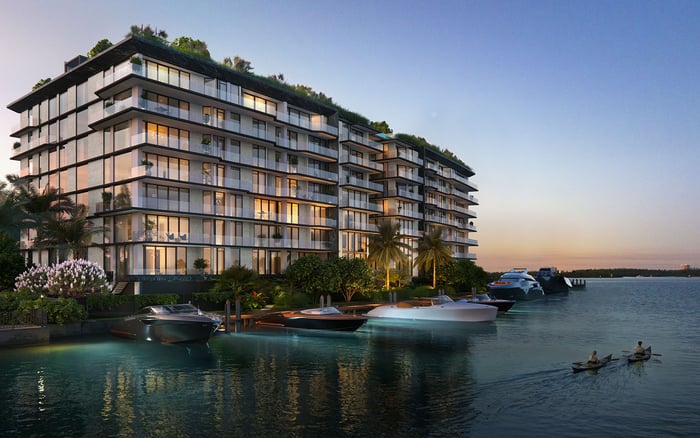
This is especially relevant for purchasers comparing boutique island living with larger coastal markets. A buyer considering Alana Bay Harbor Islands, for example, should evaluate not only the residence itself, but also the surrounding development context, the approach routes, and the relationship between outdoor living areas and neighboring parcels.
The first question is simple: which nearby parcels could affect the daily sound environment? Ask your advisor, attorney, and building representative to identify adjacent properties, properties across the street, waterfront parcels within earshot, and any vacant or under-improved sites that may be relevant to your intended use of the home.
The second question is more specific: what work is active, approved, proposed, or reasonably anticipated nearby? Buyers do not need to become construction specialists, but they should request a clear view of potential exposure. Vertical construction, demolition, utility work, road activity, staging, deliveries, and interior build-outs can affect a residence differently. A high-floor home may receive sound differently from a garden-level home. A waterfront terrace may feel insulated in one direction and exposed in another.
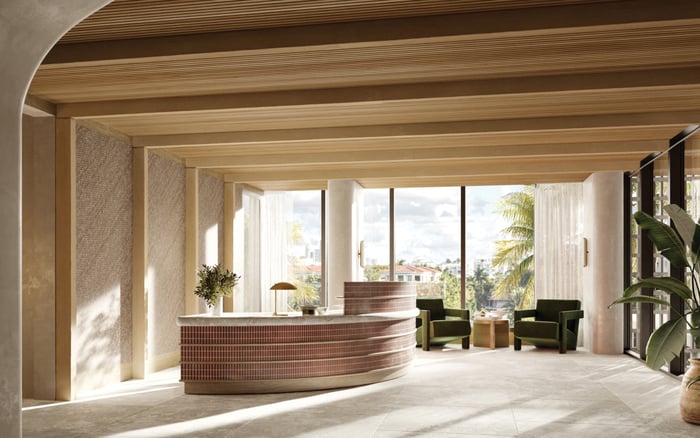
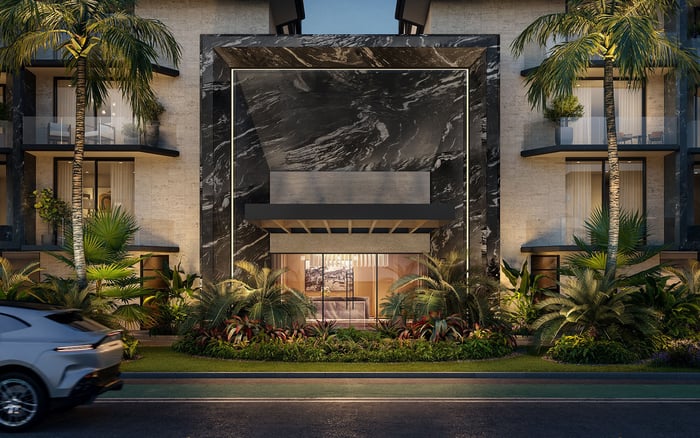
When touring Bay Harbor Towers or any comparable Bay Harbor Islands residence, listen from the rooms where quiet matters most. Primary bedrooms, offices, media rooms, children’s rooms, and terraces deserve more attention than the grand arrival sequence. Close the doors. Open them. Stand near the glazing. Step outside and pause long enough for the environment to reveal itself.
A buyer should ask when noise is most likely to occur, but the sharper question is how it will feel across a normal week. Is the exposure mostly intermittent, or does it have a repetitive rhythm? Is it concentrated on certain façades? Is it more noticeable in the morning, during work-from-home hours, or during the evening routine after the workday ends?
Ask whether any anticipated work could overlap with your move-in, renovation, furnishing period, or seasonal occupancy. A second-home buyer may accept some weekday noise if visits are mostly long weekends. A full-time resident with remote work, small children, or wellness routines may weigh the same exposure differently.
For buyers considering La Maré Bay Harbor Islands, due diligence should include the sound experience from both interior and exterior spaces. In South Florida luxury real estate, outdoor space is not decorative. It is often central to the value proposition, and its acoustic comfort should be evaluated with the same seriousness as ceiling height, light, and view corridor.
Verbal assurances are not enough. Ask which written materials address construction activity, neighboring development, common-area work, unit build-outs, rules for contractor access, elevator use, loading, and any known disruptions. The contract, condominium documents, disclosures, association materials, and closing deliverables should be reviewed through a noise-exposure lens.
Questions to raise with counsel include whether representations about surrounding conditions are being made, whether any disclaimers shift risk to the buyer, and whether the buyer has enough time to investigate before deposit money becomes meaningfully at risk. If the seller or developer provides information about nearby activity, ask whether it can be preserved in writing.
A polished project can still have a complex acoustic profile. At Onda Bay Harbor, as with any luxury waterfront purchase, a buyer should separate the emotional appeal of the setting from the practical questions that govern day-to-day quiet enjoyment.
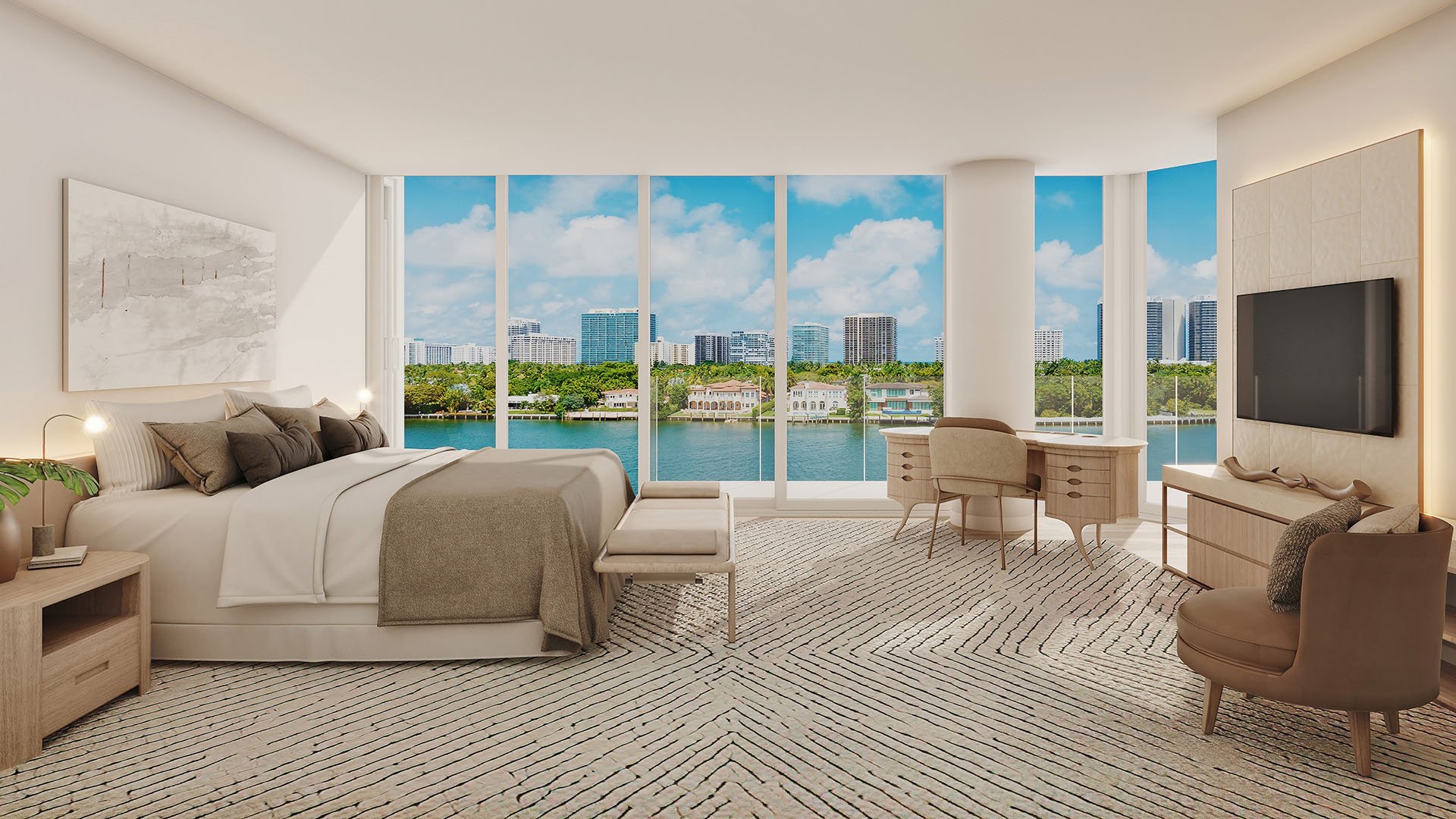
Construction noise exposure is partly about what is outside, but it is also about how the home receives sound. Ask about glazing, door systems, seals, wall assemblies, mechanical noise, and whether any acoustic information is available for the residence or building. If the home is complete, spend time inside without music, sales conversation, or distractions. If it is not complete, ask what can be verified now and what will remain uncertain until delivery.
Also ask whether the layout gives you options. A residence with a quiet secondary room may function better for remote work than a more dramatic floor plan with every principal room facing the same exposure. A deep terrace may provide a sense of retreat in one context and amplify activity in another. A corner home may receive sound from more than one direction, which can be either a strength or a concern depending on the surroundings.
At The Well Bay Harbor Islands, wellness-minded buyers should be especially attentive to how sound interacts with the rituals of the home: sleep, recovery, privacy, reading, training, and outdoor dining.
One showing is a mood, not a study. Visit more than once if the purchase is significant. Morning, midday, late afternoon, weekday, and weekend visits can each reveal different conditions. If access is limited, ask whether your representative can return, record observations, or stand in relevant exterior areas. The goal is not to create a laboratory test. It is to avoid relying on a single, curated moment.
Buyers should also ask what they will do if conditions change after contract but before closing. Is there a contingency period that allows further review? Is there a walkthrough opportunity? Is there a defined process for questions that arise from new neighboring activity? Luxury buyers often negotiate carefully on price, inclusions, and timing, yet leave the soundscape to chance. That is a mistake.
Should I ask about construction noise before making an offer? Yes. Ask early so your valuation, contingencies, and closing expectations reflect the exposure you are willing to accept.
Is one showing enough to judge noise exposure? Usually no. A single visit captures only one moment, so repeat visits at varied times are more useful.
What rooms should I test most carefully? Focus on primary bedrooms, offices, nurseries, media rooms, and terraces because quiet matters most in those spaces.
Should I rely on verbal assurances from a seller or sales team? No. Important statements about known conditions, documents, or timing should be reviewed in writing with counsel.
Can a high-floor residence still hear construction noise? It can. Height changes the character of exposure, but it does not automatically eliminate sound from nearby activity.
What should waterfront buyers ask specifically? Ask how sound carries across open areas and whether terraces, bedrooms, or living spaces face potential work zones.
Does construction noise always reduce the value of a residence? Not necessarily. The impact depends on duration, intensity, buyer tolerance, layout, timing, and overall property quality.
Should I ask about future nearby development? Yes. Ask what is active, proposed, or reasonably anticipated around the property before your contingency period ends.
Can contract language help manage noise risk? It can clarify disclosures, review periods, and remedies, but your attorney should advise on what is realistic.
What is the best buyer mindset in Bay Harbor Islands? Treat quiet enjoyment as a luxury feature and evaluate it with the same care as views, finishes, and service.
To compare the best-fit options with clarity, connect with MILLION.
If branded residences are on your mind — as a home or as an allocation — we would be glad to share what we are seeing, privately.
Begin a quiet conversation