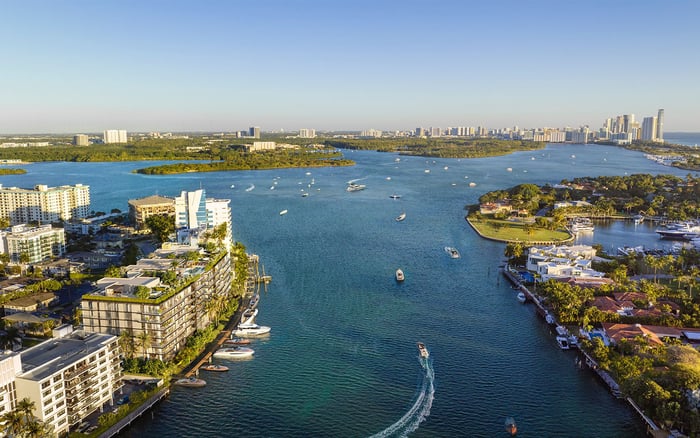
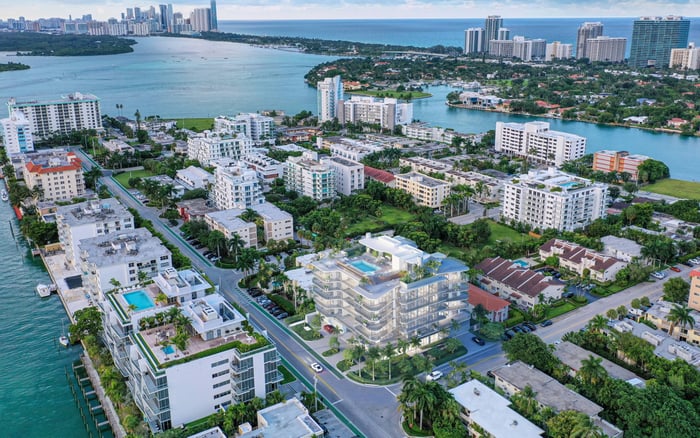
A discreet buyer’s guide to reviewing condominium documents, reserves, inspections, insurance, lifestyle rules and association records before purchasing luxury real estate in Bay Harbor Islands.

In Bay Harbor Islands, a luxury condominium purchase is not only a study of light, water, architecture and privacy. It is also a document exercise. The most polished residence can sit inside an association with future capital needs, unresolved insurance questions, restrictive lifestyle rules or a reserve plan that materially changes the cost of ownership.
For a non-developer resale, the condominium document review period is a core part of due diligence rather than an administrative formality. The window can be brief, so buyers should confirm timing with their legal advisor, verify what has been delivered, identify what is missing and decide whether the building’s obligations align with the price, lifestyle and long-term ownership plan.
This is especially relevant in a compact, design-conscious market near Bal Harbour, where boutique buildings, waterfront exposures and smaller associations can be highly desirable, yet may concentrate major repair costs among fewer owners.
Before interpreting the documents, confirm that the package is complete. A luxury buyer should ask whether the seller or association has delivered the declaration, articles of incorporation, bylaws, rules, frequently asked questions sheet, recent financial information, governance forms and applicable resale disclosures.
The declaration is the legal architecture of the condominium. It can define unit boundaries, common elements, limited common elements, alteration rights, maintenance responsibility and the association’s powers. In Bay Harbor Islands, where terraces, glazing, marina-oriented features and waterfront conditions can be central to value, the declaration deserves close reading. Ask who is responsible for windows, exterior doors, balconies, terraces, seawalls, docks, marina slips, HVAC components and any other high-cost elements that affect the residence being purchased.
For buyers comparing new and recently delivered residences such as Alana Bay Harbor Islands with established buildings, the key question may shift from condition to control. Ask whether the association is still developer-controlled and when turnover to unit-owner control is expected or required. Developer control is not inherently negative, but it changes how budgets, rules, warranties, records and long-term priorities should be evaluated.
The annual budget and reserve schedule are where elegance becomes economics. Ask whether the association expects to fund capital repairs through current reserves, regular assessments or future special assessments. The goal is to understand whether visible polish is supported by disciplined planning.
For larger or older condominium buildings, buyers should ask whether any structural, engineering or reserve studies have been completed and how their findings are reflected in the budget. The practical question is direct: what major work is expected, what is the estimated funding path and has it been disclosed to owners?
Buyers should also ask whether important capital items were historically underfunded or deferred. In a smaller luxury association, a shift from deferred planning to current funding can be meaningful.
For a resale at a waterfront-oriented property such as Bay Harbor Towers, the financial review should be read alongside the physical setting. A pristine lobby and beautiful views are only part of the story. Reserve lines, engineer recommendations, insurance renewals and board minutes often reveal the building’s true capital profile.
A serious buyer should request available association records, including budgets, financial statements, meeting minutes, contracts, insurance materials, bids, structural reports and related documents. Summaries can help orient the review, but minutes and supporting materials often show the cadence of building life.
Read board minutes for discussion of leaks, concrete restoration, balconies, elevators, seawalls, marina repairs, litigation, insurance renewals, owner disputes and future assessments. One passing reference may not be decisive. A repeated pattern, however, can identify deferred work, owner conflict or a capital project that has not yet reached the assessment stage.
This matters in Bay Harbor Islands because the municipality is small and closely situated within Miami-Dade County. Association-level review should be paired with municipal and county-level diligence for building, zoning and permitting matters. A buyer does not need to become a building official, but the advisory team should know whether permits, recertifications or local requirements could affect timing, use or cost.
For buyers considering residences like La Baia North Bay Harbor Islands, the discipline is the same: compare the sales narrative with the written record, then ask for clarification before the review period expires.
For older condominium buildings, inspection and recertification status should be part of the review. Ask whether milestone inspections, engineering reviews or Miami-Dade recertification items are complete, pending or approaching, and request available reports or owner summaries.
If repairs were identified, ask whether they are completed, funded, bid, contracted or still conceptual. A beautiful residence can still be affected by a building-wide project calendar, elevator access, balcony work, noise, insurance questions or future assessments.
The point is not to avoid every building with maintenance needs. It is to understand timing, scope, funding and disclosure before closing.
Insurance review is no longer a background item in South Florida condominium purchases. Ask for the association’s current insurance materials, windstorm coverage, flood coverage, deductibles, exclusions and claims history where available. The quality, cost and deductible structure of coverage can vary significantly by building and exposure.
A high deductible is not automatically a defect, but it should be understood. Ask how deductibles are allocated, whether prior claims have affected premiums and whether the association anticipates changes at renewal. For waterfront buildings and marina-adjacent settings, insurance should be reviewed in tandem with reserves, structural reports and minutes.
Projects such as Onda Bay Harbor appeal to buyers drawn to privacy and water access, but the broader lesson applies across the islands: beauty at the edge of Biscayne Bay should be matched by clarity on coverage, exclusions and future risk allocation.
Luxury buyers often focus on floor plan, finishes and privacy. The documents also determine daily life. Review leasing, pet, guest, vehicle, renovation, short-term rental, staff-access and amenity-use rules. These restrictions are typically embedded in the declaration, bylaws and association rules.
Ask whether there are minimum lease terms, rental caps, approval procedures, pet limits, elevator reservation requirements, construction-hour rules, valet policies, staff entry protocols and restrictions on amenity guests. For a second-home owner, an investor or a family with live-in staff, the difference between permission and prohibition may be central to value.
Before closing, obtain an estoppel certificate showing assessments, special assessments, fees and other amounts owed for the unit. The estoppel is the final financial snapshot. It should align with the budget, seller disclosures and the board record.
For wellness-oriented or amenity-rich buildings such as The Well Bay Harbor Islands, rules governing amenity access, guests, reservations and service expectations deserve the same attention as the spa, pool or fitness programming.
A focused document review is not adversarial. It protects the purchase and preserves the pleasure of ownership. Ask what documents have been delivered, what is missing, what capital projects are planned, whether reserves align with known building needs, what inspections or recertifications are relevant, what insurance is in place, whether assessments or litigation are pending and whether the rules permit the way you intend to live.
The best buyers do not treat these questions as obstacles. They use them to distinguish buildings with disciplined stewardship from buildings that merely present well. In Bay Harbor Islands, where discretion, design and water proximity are part of the appeal, the finest purchase is the one whose documents are as carefully composed as its interiors.
How long is the condo document review period in a Florida resale? The review window can be brief, so confirm the exact timing with your legal advisor as soon as the resale package is delivered.
Which documents should a Bay Harbor Islands condo buyer confirm receiving? Confirm receipt of the declaration, articles, bylaws, rules, FAQ sheet, recent financial information, governance forms and applicable resale disclosures.
Why is the declaration so important in a luxury building? It can determine who pays for windows, doors, balconies, terraces, docks, HVAC components and other costly elements.
What should I ask about reserves? Ask whether reserves fund known capital needs, whether major items were historically underfunded and whether future special assessments are anticipated.
What should I ask about engineering or structural reports? Ask whether studies or reports have been completed, what work was identified and whether funding or repair timelines have been approved.
Should I review board minutes before buying? Yes. Minutes may reveal leaks, concrete restoration, elevator issues, seawall repairs, litigation, insurance problems and assessment discussions.
What inspection questions matter for older buildings? Ask whether milestone inspections, engineering reviews and Miami-Dade recertification items are complete, pending or likely to require repairs.
Why does insurance review matter so much? Windstorm coverage, flood coverage, deductibles, exclusions and claims history can materially affect ownership costs and risk.
What should the estoppel certificate show? It should identify assessments, special assessments, fees and other amounts owed for the unit before closing.
Are lifestyle rules part of financial due diligence? Yes. Leasing, pets, guests, renovations, staff access and amenity rules can affect liquidity, usability and long-term value.
If you'd like a private walkthrough and a curated shortlist, connect with MILLION.
If branded residences are on your mind — as a home or as an allocation — we would be glad to share what we are seeing, privately.
Begin a quiet conversation