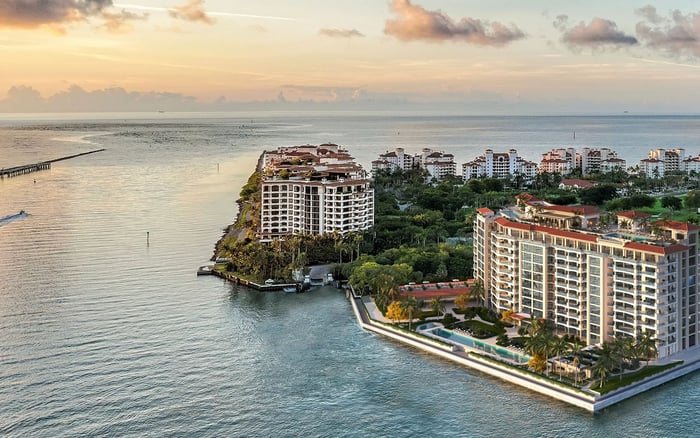
A discreet buyer’s guide to the homestead strategy questions luxury purchasers should raise before acquiring a South of Fifth residence.
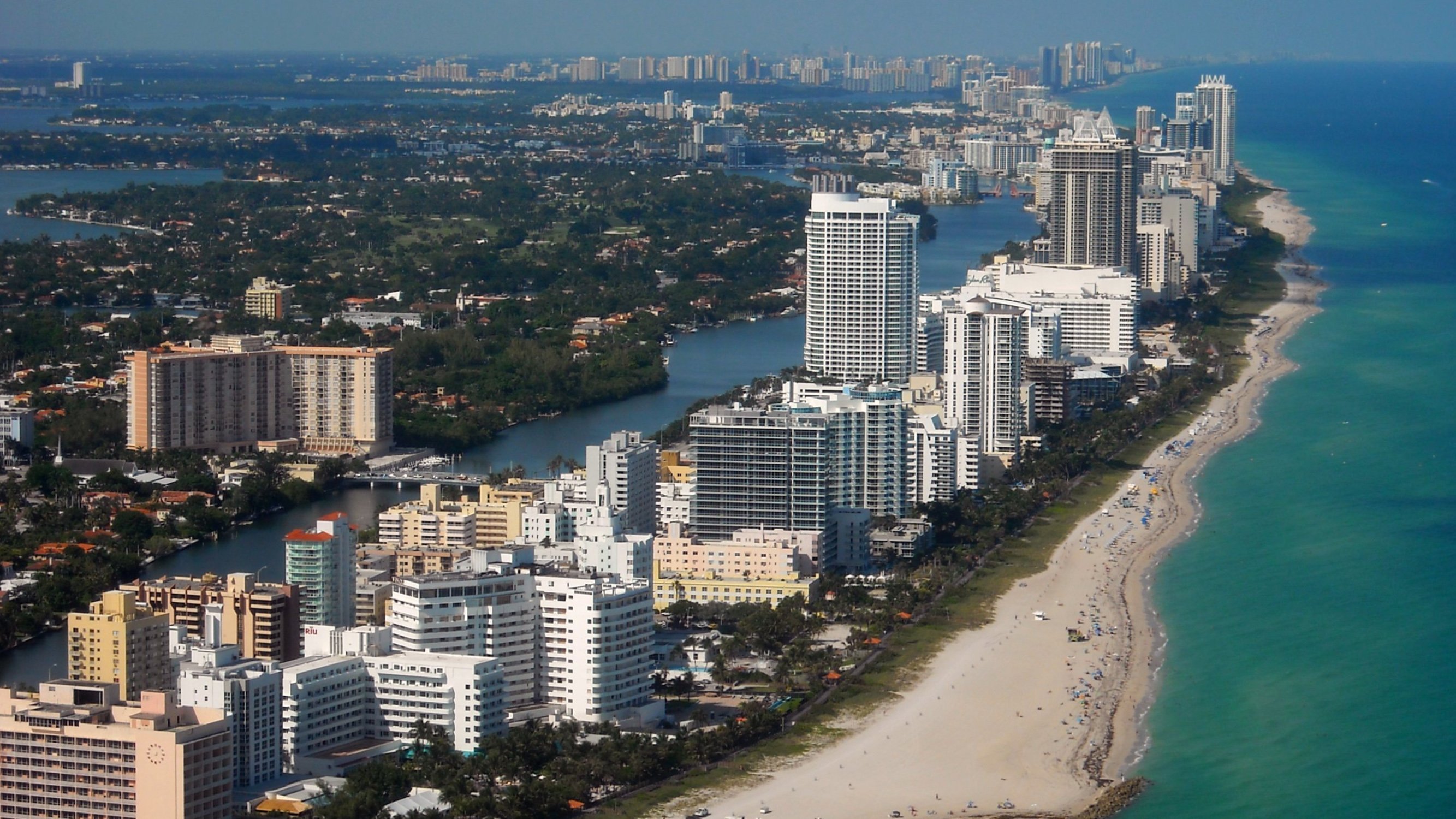
In South of Fifth, the most elegant purchase decisions are often made before a buyer falls in love with the view. The neighborhood invites emotional clarity: protected sightlines, walkable dining, marina energy, and the quiet privilege of life at the southern tip of Miami Beach. Yet for a luxury buyer, the question is not only which residence feels right. It is how that residence should be owned, occupied, financed, protected, and eventually transferred.
That is where homestead strategy enters the conversation. This is not a decorative closing detail. It can influence ownership structure, the timing of residency decisions, the drafting of estate planning documents, and the way a buyer evaluates a primary residence versus a second home. In SoFi, where a single acquisition may serve as lifestyle base, family asset, and long-horizon investment, the right questions should be asked before the offer becomes a binding commitment.
This article belongs among practical buyer’s guides because South of Fifth buyers rarely need generic explanations. They need a disciplined checklist for conversations with Florida counsel, a tax advisor, an estate planning attorney, and a lender. The goal is not to chase a benefit casually. It is to ensure the ownership plan matches the buyer’s true use of the property.
The first question is deceptively simple: will the South of Fifth home be treated as the buyer’s primary residence, or will it remain part of a broader residential portfolio? Many luxury purchasers divide their lives among several jurisdictions. A waterfront condominium may feel like home for much of the season, but homestead analysis typically depends on more than affection. Buyers should ask what evidence, conduct, timing, and documentation their advisors will expect if the property is intended to be a Florida homestead.
This conversation should happen early for buyers considering established buildings such as Apogee South Beach, where the appeal of large residences and a discreet South of Fifth setting can make the property feel immediately permanent. The legal and tax plan should catch up with that intention before closing, not months later.
Questions to ask include: what steps should be completed before and after closing, how voter registration and licensing decisions should be coordinated, what records should be retained, and whether the buyer’s time in other homes could create ambiguity. High-net-worth buyers should also ask whether existing state residency positions, business interests, or family office records need to be reviewed before any representation is made.
In the luxury market, titling is rarely one size fits all. A buyer may consider individual ownership, spousal ownership, a trust, an entity, or a structure connected to estate planning. Each choice can carry consequences. The critical question is not simply whether a structure is sophisticated. It is whether it is compatible with the buyer’s homestead objectives.
Before signing, ask counsel to review the proposed vesting language and explain whether it supports or complicates the intended homestead position. If a trust is involved, ask whether the trust terms align with the owner’s occupancy and beneficial interest. If an entity is proposed for privacy or liability reasons, ask whether that structure is appropriate for a property that may be claimed as homestead. If a married couple is buying, ask how survivorship, separate property, prenuptial agreements, and estate documents intersect.
This is especially important in branded or amenity-rich residences, where buyers may focus first on service and architecture. A purchaser comparing South Beach options such as The Ritz-Carlton Residences® South Beach should treat ownership structure as part of the same diligence package as finishes, views, and building governance.
A homestead strategy should not assume life will remain static. A buyer may intend to relocate fully, then later return to a northern residence for business reasons. A couple may buy for seasonal use, then decide Miami Beach should become the family’s legal center. Children may inherit the property. A residence may be rented for limited periods or held vacant during travel. Each scenario deserves a question before closing.
Ask your advisors how a future change in use may affect the plan. If the property is ever leased, ask whether rental activity could create issues. If the home will be renovated, ask whether temporary absence matters. If the buyer expects to acquire another Florida property later, ask how that decision may interact with the current plan. If the residence is intended as a long-term family base, ask how estate planning and homestead restrictions should be coordinated.
Buildings such as Continuum on South Beach often attract buyers who value resort-style privacy with immediate access to South Pointe Park and the water. That lifestyle can support a primary residence narrative, but only if the buyer’s documents and conduct are consistent. The plan should be resilient enough to accommodate travel, family transitions, and portfolio changes.
Financing can also affect the rhythm of homestead planning. Luxury buyers may use cash, portfolio lending, securities-backed strategies, or conventional mortgage structures. Whatever the approach, the lender, closing attorney, estate counsel, and tax advisor should not operate in separate rooms.
Ask whether the loan documents require a particular form of title. Ask whether post-closing transfers are contemplated and whether they could affect the loan. Ask whether insurance, mailing address, declarations, and closing statements will align with the buyer’s intended residency position. A buyer should also ask who is responsible for tracking any required post-closing filing or application steps.
In Miami Beach, decisions often move quickly when the right residence becomes available. A buyer touring Five Park Miami Beach or evaluating nearby inventory may be tempted to resolve legal structuring after the aesthetic decision is made. That sequence can work against the buyer. The more complex the buyer’s balance sheet, the earlier the coordination should begin.
For ultra-premium purchasers, privacy is a central concern. Yet privacy planning should be balanced against homestead goals. Ask whether the chosen title structure protects the buyer’s identity in the way intended and whether it remains compatible with the desired homestead treatment. Ask how public records, mailing addresses, trusts, managers, and family members should be handled.
Estate planning deserves equal attention. A South of Fifth residence may be a personal sanctuary, but it can also become a legacy asset. Ask what happens if one spouse dies, if adult children inherit, if the property is sold, or if a surviving spouse wishes to remain. Ask whether existing documents drafted outside Florida should be reviewed before closing. Ask whether a family office should update its internal records to reflect the new residency plan.
The best strategy is neither aggressive nor casual. It is consistent. Every document should tell the same story: why the buyer acquired the property, how it will be used, who owns it, and how it fits within the family’s broader architecture.
A refined homestead strategy looks beyond closing day. Before signing the contract, ask your advisory team to describe the ideal state one year after purchase. What documents should be in place? What conduct should be consistent? What filings or renewals should be monitored? What other homes, tax positions, or estate documents should have been revisited?
That one-year lens is useful because it turns a legal abstraction into a practical plan. In South of Fifth, the buyer is not merely acquiring square footage. The buyer is choosing a position within Miami Beach, a daily rhythm, and potentially a new center of gravity. Homestead strategy should support that decision with precision.
The most important question may be the simplest: does the proposed ownership plan reflect how you will actually live? If the answer is yes, the purchase becomes more than a beautiful address. It becomes a coherent asset.
Should I decide homestead strategy before I make an offer? Yes. Intended use, title structure, financing, and the closing timeline should be discussed before the contract is finalized.
Is homestead planning only about property taxes? No. It can also touch residency, estate planning, creditor protection questions, title structure, and family governance.
Can a second home in South of Fifth qualify as homestead? Ask Florida counsel before assuming it can. The analysis typically depends on whether the property is truly your primary residence.
Does buying through a trust create a problem? It depends on the trust structure and the owner’s rights. Have counsel review the trust before title is finalized.
Should my lender know about my homestead intentions? Yes. Loan requirements, vesting, insurance, and post-closing transfers should be coordinated early.
Can I rent the residence and still keep my strategy intact? Rental plans should be reviewed before they begin. Even limited rental use may require careful advice.
What if I move to Miami Beach gradually? A gradual move can be planned, but your documents and conduct should be consistent with your stated intention.
Do estate documents from another state need review? Yes. Out-of-state documents may not fully reflect Florida property, residency goals, or homestead considerations.
Who should be in the first strategy meeting? Include Florida real estate counsel, tax counsel, estate counsel, the lender, and any family office representative.
What is the biggest mistake luxury buyers make? Waiting until after closing. Homestead strategy is strongest when it is integrated into the acquisition from the start.
For a discreet conversation and a curated building-by-building shortlist, connect with MILLION.
If branded residences are on your mind — as a home or as an allocation — we would be glad to share what we are seeing, privately.
Begin a quiet conversation