A buyer-focused framework for testing yacht access, dock utility, route constraints, and the documentation that can protect long-term waterfront resale value.
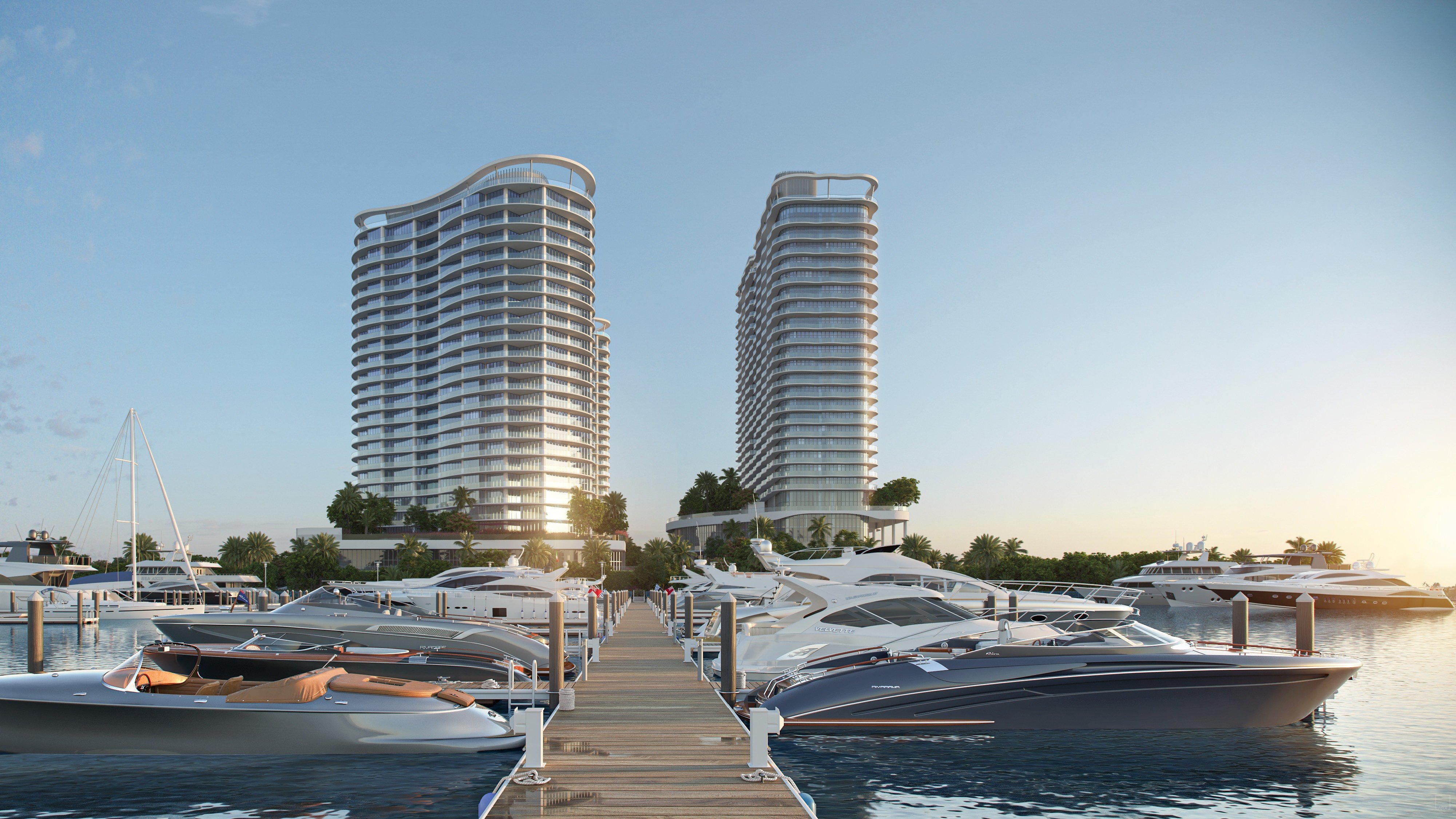
In Key Biscayne, a waterfront address can offer a close relationship with Biscayne Bay while still imposing practical limits on a particular vessel. A disciplined evaluation separates access into three distinct tests: route geometry, air draft against bridge clearance, and water depth and protection at the dock and along the approach.
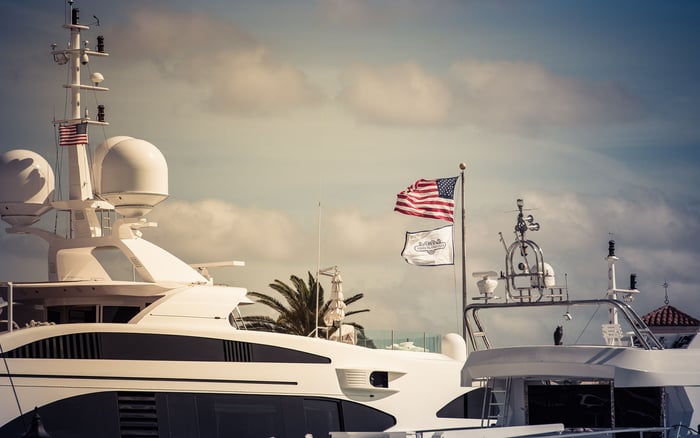
Start with the yacht’s actual length overall, beam, loaded draft, and air draft. When calculating height, include antennas, towers, outriggers, and other fixed equipment. Then map the entire preferred route-not merely the water immediately behind the residence. “Ocean access” is a starting point for due diligence, not a conclusion.
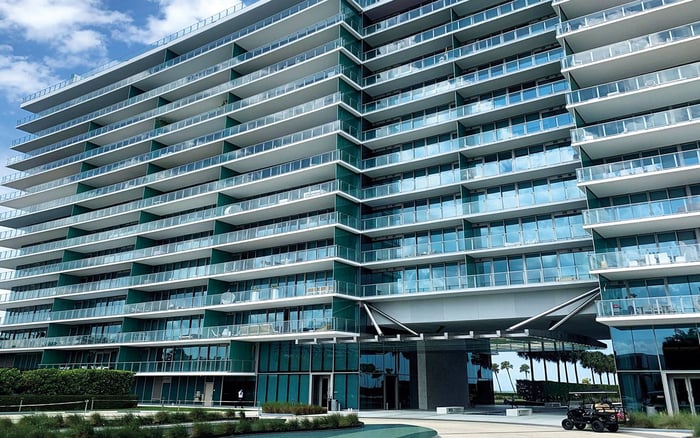
This framework applies whether the target is a private estate, a condominium boat slip, or a nearby marina arrangement. A buyer considering Oceana Key Biscayne should apply the same vessel-specific discipline required for any waterfront acquisition on the island.
Identify every bridge, channel, turn, and potentially shallow segment between the berth and open water. Compare the yacht’s dimensions with currently verified operating conditions rather than relying on broad marketing language or an undated clearance figure.
Tidal conditions can affect usable depth and overhead clearance, making timing relevant when a vessel approaches an operating limit. Evaluate more than one practical route when alternatives exist, then compare maneuverability, exposure, and convenience for the owner’s expected use.
Route conditions and navigation restrictions can change. Before marine access becomes part of the purchase rationale, review current information and test the route with a qualified marine professional under representative conditions.
Waterfront length does not automatically translate into usable dock length. Confirm the berth envelope, piling placement, setbacks, lift geometry, canal width, turning room, shore-power arrangement, and exposure to wake, wind, and surge. Protected dockage and bridge-free access are separate attributes: a berth can be calm yet route-constrained, or open to the ocean yet less sheltered.
Depth demands particular precision. Record measured depth at the dock and along the approach, together with the tidal reference and conditions observed at the time. Reconfirm every material figure before matching a yacht to a berth.
A lift or dry personal-watercraft dock can add convenience, but capacity and controlling depth remain separate considerations. Verify the lift’s rating, dimensions, permits, condition, and compatibility with the intended boat. For condominium buyers comparing island living with Una Residences Brickell, marine access should be evaluated as an operating system, not simply as a view or amenity.
Terms such as “deep-water dockage,” “direct access,” “protected dockage,” and “no fixed bridges” can help buyers screen Key Biscayne properties, but each addresses a different question. None independently confirms sufficient depth, suitable maneuvering space, legal dock rights, or compatibility with a specific yacht.
Translate every material statement into a verification task. Review current soundings, permits, surveys, recorded rights, berth dimensions, and route observations before treating a marine feature as part of the property’s value.
The same precision applies when comparing boating-oriented luxury properties elsewhere in Miami-Dade. The Residences at Six Fisher Island and The Ritz-Carlton Residences® Miami Beach may enter a buyer’s broader consideration set, but every property requires independent verification of its route and berth.
Clarity can strengthen the resale presentation. Retain measured dock and approach depths with their tidal reference, usable dock length, canal width, turning space, lift capacity, bridge-clearance findings, preferred ocean route, and relevant permits or recorded rights. Preserve surveys and route observations in a format a future buyer can readily understand.
Documented bridge-free access can remove an air-draft concern for some buyers, but it should never serve as shorthand for sufficient depth, easy maneuvering, or protected mooring. A stronger proposition combines a credible route, vessel-compatible depth, functional dockage, and documentation capable of supporting future review.
Consider adaptability as well. A dock configured narrowly around today’s boat may hold less appeal for a future buyer with different requirements. The most resilient acquisition is not necessarily the property with the most dramatic waterfront, but the one whose marine attributes are measurable, legally supportable, operationally convenient, and easy to explain.
What should a Key Biscayne boating buyer evaluate first? Begin with the vessel’s actual length, beam, loaded draft, and air draft, then test the full route from berth to open water.
Does ocean access mean a yacht can reach open water without constraints? No. The phrase alone does not establish adequate depth, bridge clearance, turning room, or a practical route for a specific vessel.
How should bridge clearance be checked? Compare currently verified clearance conditions with the yacht’s complete air draft, including fixed equipment, and account for conditions that may affect usable clearance.
Why should a buyer map the entire route? Constraints may occur away from the property, so the dock area alone cannot establish practical access.
Why do tidal conditions matter during due diligence? They can affect usable water depth and overhead clearance, particularly when a vessel is near an operating limit.
Is protected dockage the same as bridge-free access? No. Protection concerns conditions at the berth, while bridge-free access concerns overhead obstacles along the route.
Which dock measurements belong in the resale file? Retain depth and its tidal reference, usable length, canal width, turning space, lift capacity, route details, and clearance findings.
Should listing descriptions be relied upon for vessel compatibility? Treat them as screening information, then verify material claims through current measurements, document review, and professional inspection.
What should be verified when a property has a boat lift? Check its rating, dimensions, permits, condition, and compatibility with the intended vessel.
How can marine documentation help at resale? Organized records can help a future buyer understand the route, dock configuration, water depth, rights, permits, and vessel limitations.
For a tailored shortlist and next-step guidance, connect with MILLION.
If branded residences are on your mind — as a home or as an allocation — we would be glad to share what we are seeing, privately.
Begin a quiet conversation