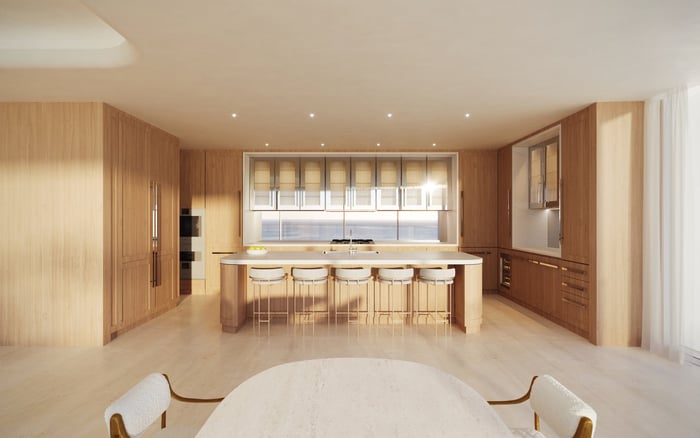
A vessel-first guide for Houston buyers reviewing Miami Beach waterfront homes, dock access, frontage, property categories, condominium options, and custom-build opportunities.
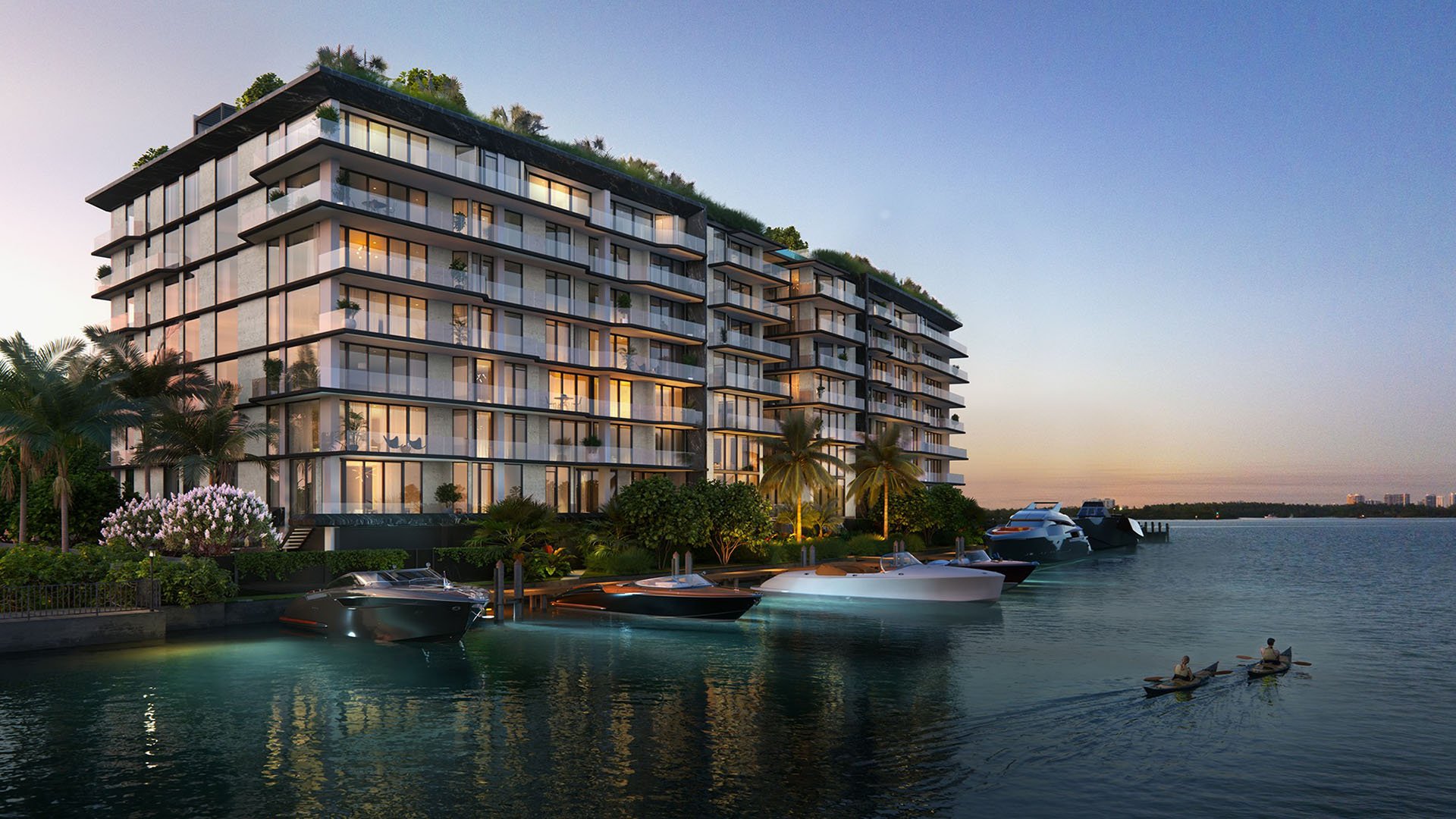
For buyers arriving from Houston, a Miami Beach waterfront search should begin with a precise brief. Before focusing on architecture, finishes, or entertaining spaces, identify how the residence and its waterfront setting must function.
Clarify whether the priority is an ocean outlook, bay exposure, a private dock, access to open water, or a condominium within a managed waterfront setting. The answer establishes the appropriate property category for further review.
Treat oceanfront, bayfront, canal-front, and ocean-access properties as separate categories during the search. Review each option according to the buyer’s desired views, privacy, boating plans, ownership structure, and service expectations.
Condominium buyers may include The Perigon Miami Beach, Setai Residences Miami Beach, and The Ritz-Carlton Residences® Miami Beach as project references. Keep condominium comparisons separate from single-family comparisons when evaluating privacy, frontage, dock control, amenities, and services.
Document the intended vessel’s length, beam, draft, and vertical-clearance requirements before touring dock-oriented properties. For each residence, verify the dock or slip dimensions, configuration, and suitability rather than relying on assumptions.
Review the complete route between the property and open water. The diligence process should address bridges, canal conditions, dock access, frontage, setbacks, and any other feature relevant to the intended boating program. Appropriate marine, legal, and property specialists should confirm these items for the specific residence.
Assess the property from both land and water when feasible. Consider orientation, usable water edge, route characteristics, dock protection, wake exposure, and how the shoreline supports the buyer’s plans.
Frontage should be evaluated for function as well as visual appeal. The review should focus on how the site, dock arrangement, and applicable constraints work together for the intended use.
Miami Beach waterfront inventory can include condominiums, completed single-family homes, new construction, and vacant land. Avoid applying a single pricing framework across these distinct categories.
Build a comparable set that reflects the same ownership format, waterfront setting, condition, and intended use. Any pricing or value conclusion should be based on current property-specific information reviewed with qualified advisers.
A buyer may compare a completed residence with new construction or a waterfront site for a custom build. The decision should reflect timing, design priorities, site suitability, and the desired level of project involvement.
Treat vacant land as a property requiring full diligence rather than as an unrestricted design opportunity. Before proceeding, confirm frontage, setbacks, dock potential, site conditions, and the route to open water with the appropriate professionals.
Start by defining the desired water experience and ownership format. Next, document the vessel requirements and examine the full boating route. Then verify the dock configuration, frontage, setbacks, canal characteristics, and wake exposure. Compare pricing only after placing the property in the correct category.
This sequence gives a Houston buyer a clearer basis for evaluating Miami Beach waterfront opportunities while keeping the search focused on South Florida.
What should a Miami Beach waterfront buyer decide first? Identify the preferred waterfront setting, ownership format, and boating requirements before comparing residences.
Why should vessel details be documented early? They provide a practical basis for reviewing a dock, slip, and route for the intended boat.
What vessel measurements belong in the brief? Record length, beam, draft, and vertical-clearance requirements for property-specific review.
Should an existing dock be assumed to fit the vessel? No. Confirm its dimensions, configuration, condition, and suitability with the appropriate specialists.
What should be examined along the route to open water? Review bridges, canal characteristics, access points, and other route conditions relevant to the intended vessel.
Why review a waterfront property from the water? A water-side review can add perspective on the shoreline, dock arrangement, orientation, and surrounding route.
Should condominiums and single-family estates share one comparable set? They should be evaluated within their respective ownership and property categories.
What should buyers consider when comparing completed homes and new construction? Consider timing, design priorities, property condition, site suitability, and the desired level of involvement.
Can vacant waterfront land be considered for a custom residence? Yes, subject to property-specific diligence concerning the site, frontage, setbacks, dock potential, and intended use.
Who should verify legal, marine, and site-specific issues? Buyers should engage qualified professionals appropriate to the property and the proposed boating or building plans.
When you're ready to tour or underwrite the options, connect with MILLION.
If branded residences are on your mind — as a home or as an allocation — we would be glad to share what we are seeing, privately.
Begin a quiet conversation