A discreet guide for Dallas buyers evaluating Bal Harbour and South Florida, focused on lifestyle fit, building culture, waterfront priorities, advisory discipline, and long-term ownership strategy.
For Dallas buyers considering Bal Harbour, the question is not simply where to buy. It is how a South Florida residence should function within a larger life. Some buyers want a seasonal retreat. Others are weighing a fuller relocation, a family base, or a coastal counterpart to a Texas estate. Each path demands a different lens.
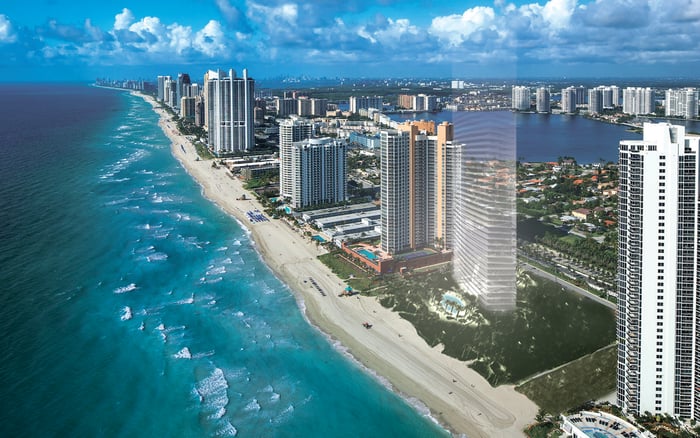
Bal Harbour offers a highly specific version of South Florida: quieter than the urban core, more intimate than many resort corridors, and closely associated with privacy, oceanfront living, and polished daily convenience. It is not the only answer for a Dallas household, but it is often a logical place to begin because it forces clarity. Do you want walkable luxury? Do you want a serviced building? Do you need a residence that feels effortless for short stays? Or do you want a home that can support year-round routines with the same confidence as your primary address?
This guide is designed for that first serious evaluation, before the search becomes emotional and before a view, lobby, or brand name begins to dominate the decision.
Dallas luxury is often measured through land, privacy, architecture, school planning, and ease of access. Bal Harbour translates some of those priorities into a vertical, coastal format. Instead of acreage, the premium may be orientation, building discretion, arrival sequence, beach access, and the quality of daily service. Instead of a private drive, the experience may be shaped by a guarded entry, staff continuity, elevator privacy, and the way a building manages guests.
That shift matters. A buyer accustomed to large-format living should not compare square footage alone. The more important questions are practical: how the floor plan lives, where staff or family circulate, how private the outdoor spaces feel, how the residence performs during high season, and how easily an owner can arrive, unpack, host, and leave.
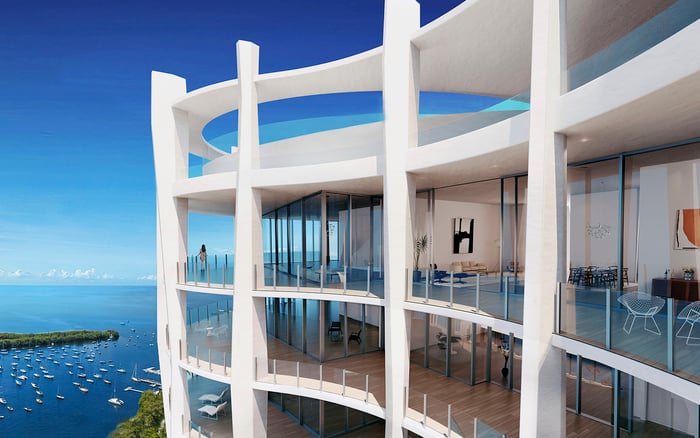
In Bal Harbour, buyers may compare established oceanfront addresses with newer offerings such as Rivage Bal Harbour, weighing not just finish level but also the building culture they are joining. The best fit is rarely the most obvious listing. It is the residence whose service, governance, privacy, and rhythm align with the owner’s real patterns.
Waterfront ownership in South Florida should be evaluated as a complete system. The view is only one component. Light, wind, balcony usability, morning and afternoon exposure, privacy from neighboring buildings, and the transition from residence to sand or pool all affect daily life.
For Dallas buyers, this can be a meaningful adjustment. In Texas, outdoor living may center on shaded terraces, gardens, pools, and entertaining lawns. In Bal Harbour and neighboring coastal enclaves, the experience is more architectural and atmospheric. The terrace becomes the outdoor room. The elevator ride replaces the long driveway. The building’s amenity level can become part of the home’s usable footprint.
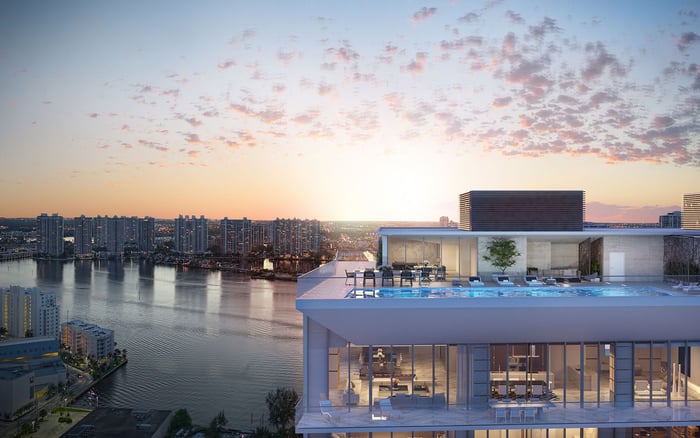
Oceana Bal Harbour, for example, enters the conversation not as a generic oceanfront option but as part of a broader question: how does the building support the way the buyer actually wants to live by the water? The answer may differ for a couple seeking quiet seasonal use, a family with frequent guests, or an owner who expects a full-service environment whenever they arrive.
Bal Harbour may be the starting point, but South Florida rewards comparison. Surfside, Miami Beach, Sunny Isles Beach, Brickell, Coconut Grove, Coral Gables, Fort Lauderdale, Boca Raton, and Palm Beach each express luxury differently. A Dallas buyer should resist treating the region as one market.
Surfside, just south of Bal Harbour, may appeal to buyers who want a similarly coastal setting with its own residential tempo. A project such as The Delmore Surfside can be part of a thoughtful comparison for buyers who like the northern beach corridor but want to understand subtle differences in scale, feel, and neighborhood energy.
Miami Beach brings a broader cultural and hospitality vocabulary. Brickell offers a more urban, financial-district sensibility for buyers who want city energy and branded residential service. A Dallas household considering a pied-a-terre with a downtown cadence might look at The Residences at 1428 Brickell as a contrast to Bal Harbour’s quieter coastal posture.
The goal is not to collect options. It is to sharpen the thesis: beach privacy, urban convenience, family infrastructure, boating access, wellness programming, lock-and-leave service, or long-term capital preservation.
The residential search should begin alongside advisory planning, not after it. Buyers moving wealth, time, or family routines between Texas and Florida should speak early with counsel familiar with residency, estate planning, financing, insurance, and entity structure. A beautiful residence can become complicated if the ownership plan is built too late.
This is especially relevant for second-home buyers who may intend to use the property seasonally at first, then increase time in Florida over the years. Flexibility matters. The right residence should support today’s lifestyle without limiting tomorrow’s decisions.
Investment considerations should be treated with equal discipline. In South Florida’s top tier, liquidity, scarcity, building reputation, maintenance standards, and buyer depth can matter more than a simple price-per-square-foot comparison. A lower entry price is not always the more conservative purchase, and a higher price is not automatically a stronger long-term position.
Luxury buyers often focus on the residence itself: ceiling height, kitchen, stone selection, closet depth, and terrace size. Those details matter, but in a condominium environment, the building is also part of the asset. Governance, reserve planning, staff quality, rules, guest policies, pet policies, rental restrictions, and the tone of the resident community can all influence ownership satisfaction.
Dallas buyers used to single-family autonomy should pay particular attention here. A condominium can simplify life, but it also introduces shared standards. The best buildings tend to attract owners who value discretion, care, and consistency. That culture is difficult to quantify, yet it is often what separates an address that merely looks good from one that feels right over time.
A serious buyer should visit at different times of day, study arrival and parking sequences, understand how service requests are handled, and ask how the property feels in season and off season. The private experience begins long before the front door opens.
Wealth migration into South Florida is often discussed in broad strokes, but successful buying is intensely personal. A Dallas family may arrive with a clear preference for Bal Harbour and ultimately choose a nearby enclave. Another buyer may begin with Miami Beach and discover that Bal Harbour’s restraint is the better match. A third may decide that a coastal residence and an urban apartment solve different needs.
The strongest strategy is not to chase momentum. It is to define the role of the residence, compare only the buildings that genuinely fit that role, and maintain discipline around due diligence. South Florida rewards buyers who understand micro-markets, building culture, and lifestyle logistics before they negotiate.
Bal Harbour remains one of the region’s most compelling lenses because it asks a luxury buyer to choose calm over spectacle, service over excess, and precision over noise. For Dallas buyers, that may be the real appeal.
Is Bal Harbour a practical primary residence for Dallas buyers? It can be, provided the buyer is comfortable with a condominium or coastal lifestyle and has planned residency, insurance, and daily logistics carefully.
Should I compare Bal Harbour with Surfside and Miami Beach? Yes. The neighborhoods are close, but each has a different rhythm, scale, and sense of privacy.
What matters most in a Bal Harbour condominium? Beyond the residence, evaluate building culture, service quality, governance, privacy, and how the property functions during peak season.
Is waterfront exposure more important than square footage? It depends on how you live. Light, terrace usability, privacy, and floor-plan efficiency can matter as much as total size.
Should a Dallas buyer purchase before finalizing residency plans? Ideally, no. Legal, tax, estate, and insurance advisors should be involved early so the purchase structure supports the broader plan.
Are branded residences always the better choice? Not always. Branding can add service and identity, but the building’s execution and ownership culture are more important.
Is a second-home strategy different from a relocation strategy? Yes. Seasonal use prioritizes lock-and-leave convenience, while relocation requires deeper attention to schools, routines, healthcare, and local access.
How should investment potential be evaluated? Focus on scarcity, condition, building reputation, liquidity, and long-term desirability rather than relying on a single pricing metric.
Should I buy new construction or an established resale? Both can work. New construction may offer modern programming, while established buildings may offer a clearer record of operations and culture.
What is the first step for a serious Dallas buyer? Define the residence’s purpose, preferred lifestyle, advisory structure, and target neighborhoods before touring individual properties.
If you'd like a private walkthrough and a curated shortlist, connect with MILLION.
If branded residences are on your mind — as a home or as an allocation — we would be glad to share what we are seeing, privately.
Begin a quiet conversation