A discreet buyer’s guide to evaluating security protocols, staffing, access control, privacy, technology, and emergency readiness before purchasing luxury real estate in West Palm Beach.
In West Palm Beach, the conversation around luxury real estate often begins with water views, architecture, private terraces, wellness spaces, and access to the city’s most polished lifestyle corridors. Yet for sophisticated buyers, the quietest feature can be the most consequential: the building’s security protocol.
Security is not a single amenity. It is an operating culture. It lives in how a resident arrives, how a guest is verified, how a delivery is received, how a vendor reaches a service elevator, how a camera system is monitored, and how management responds when something unusual occurs. In a true luxury setting, the goal is not theatrical visibility. It is calm, layered, nearly invisible control.
This guide is designed for buyers evaluating West Palm Beach residences with discretion, privacy, and long-term confidence in mind. Whether considering established waterfront condominiums or new-construction offerings such as Alba West Palm Beach, the right questions can reveal whether the building’s security posture is merely present or genuinely mature.
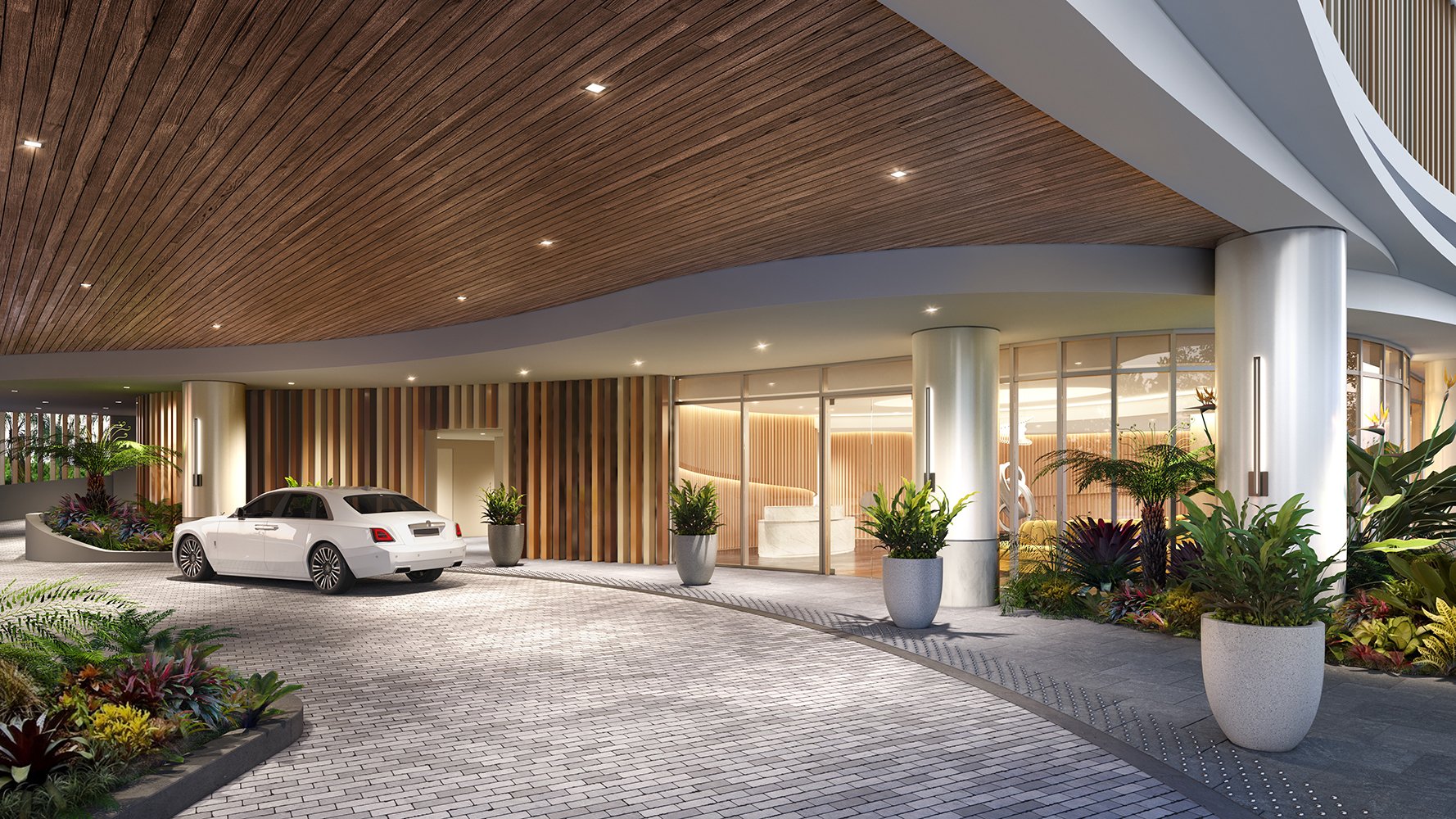
Begin with the full arrival sequence. A secure building is not defined only by a lobby desk. Ask how access is managed at the curb, driveway, valet zone, garage, pedestrian entrance, lobby, elevator bank, amenity floors, service corridors, and the residence itself.
The best question is simple: “Walk me through how a resident, guest, vendor, and delivery each enter the building.” Listen for distinctions. A resident should not move through the building in the same way as a contractor. A dinner guest should not follow the same route as a furniture installer. Package personnel should not have casual access to residential elevator areas.
For private elevator buildings, clarify whether elevators are fob-controlled, destination-controlled, staffed, or otherwise restricted. For buildings with garages, ask whether license plates, decals, access devices, or staffed checkpoints are used. If the residence includes private parking, ask how nonresidents are prevented from entering residential levels.
At West Palm Beach addresses such as Forté on Flagler West Palm Beach, buyers naturally focus on the elegance of the arrival experience. That same arrival should also be evaluated for controlled transitions between public, semi-private, and private space.
A security system is only as effective as the people operating it. Ask who staffs the front desk, valet, gate, lobby, garage, and roving positions. Are personnel employed directly by the association, the building, a hospitality operator, or an outside security firm? Who trains them? Who supervises them? Who reviews performance?
Luxury buyers should ask whether staff receive written procedures for guest verification, incident escalation, emergency response, privacy expectations, key control, and resident confidentiality. Ask whether there is a post order or operating manual, and whether it is updated regularly.
The tone of the staff matters as much as the badge. In a refined building, security should feel composed and highly observant, not intrusive. The front desk should recognize residents while still respecting procedure. Familiarity must not become informality.
Ask how the building handles staff turnover. A high-touch residential environment depends on consistency, institutional memory, and a clear chain of responsibility. If the answer is vague, continue probing.
Luxury residences often have active household ecosystems: chefs, drivers, assistants, designers, housekeepers, pet care providers, florists, caterers, art installers, and seasonal guests. The more complex the lifestyle, the more important the access protocol.
Ask how guests are pre-authorized. Can residents submit names through an app, concierge desk, phone call, or written list? Are guests required to present identification? Are recurring guests handled differently from one-time visitors? Can a resident restrict access by day, time, or service category?
Vendor controls deserve particular attention. Ask whether vendors must provide insurance, sign in, wear credentials, use service elevators, work only during approved hours, and check out upon departure. Ask whether staff confirm that a vendor has actually been authorized for a specific residence.
For owners who travel frequently or maintain a second home in West Palm Beach, the vendor protocol becomes central. Ask how the building handles an owner’s absence, especially if household staff or contractors require access while the residence is vacant.
Cameras are useful only when their locations, monitoring, retention, and review procedures are clear. Ask where cameras are placed: garage entries, lobby, elevators, amenity entrances, package rooms, service corridors, loading areas, exterior perimeters, and other common areas.
Then ask who monitors the cameras and when. Are cameras actively observed or only reviewed after an incident? How long is footage retained? Who may access footage? Under what circumstances can an owner request review? Are there written policies protecting resident privacy?
The point is not to demand maximum surveillance. The point is to understand whether the building balances safety and discretion. Ultra-premium buyers often value privacy as intensely as protection. Camera coverage should support security without making residents feel inappropriately observed.
This is especially relevant in buildings with expansive amenities, hospitality-style services, and frequent guest activity, including West Palm Beach options such as Mr. C Residences West Palm Beach. The more service-oriented the lifestyle, the more disciplined the back-of-house procedures should be.
Package volume can create one of the softest points in a residential building. Ask where packages are received, who signs for them, how residents are notified, how high-value deliveries are secured, and whether temperature-sensitive or oversized items have separate handling procedures.
If the building accepts keys, fobs, or access devices on behalf of residents, ask how they are stored, logged, released, and audited. Key control is a serious matter. Casual handling can compromise an otherwise strong security plan.
Food delivery should be reviewed separately. Are drivers allowed beyond the lobby? Can they reach residential elevators? Are residents required to meet them downstairs? The answer should reflect the building’s privacy standard, not only convenience.
For residences under consideration at The Ritz-Carlton Residences® West Palm Beach, buyers may naturally expect service to be graceful. The most successful buildings combine hospitality and boundary setting so that convenience does not dilute control.
Security also includes readiness. Ask how the building responds to medical events, fire alarms, severe weather, power interruptions, elevator entrapments, water intrusion, suspicious activity, and unauthorized access attempts. Ask whether staff conduct drills and whether emergency contacts are maintained for each residence.
Buyers should also ask how incidents are documented. Does management keep logs? Are patterns reviewed by the board, ownership, or operator? Are residents notified when appropriate? A building does not need to disclose private details to demonstrate that it has a serious reporting culture.
For high-net-worth buyers, discretion during an incident is critical. Ask how the building manages media curiosity, public attention, or high-profile guests. The answer should be calm, procedural, and privacy-minded.
Not every buyer uses a residence the same way. A primary resident, seasonal owner, frequent traveler, family with teenagers, collector, public figure, or owner with household staff may each require a different security fit.
If you will be away often, ask about vacant-residence protocols. If you entertain, ask how larger guest lists are handled. If you maintain valuable art, jewelry, cars, wine, or design pieces, ask how deliveries and installers are managed. If you prefer anonymity, ask whether staff are trained not to disclose residency, schedules, guests, or personal habits.
A gated-community buyer may be accustomed to one kind of perimeter control, while a vertical condominium buyer may rely more heavily on lobby, elevator, garage, and staff protocols. Neither model is automatically superior. The question is whether the security architecture matches your daily life.
Properties such as Shorecrest Flagler Drive West Palm Beach invite buyers to think about setting, views, and design. The deeper due diligence is to ask how the building protects the serenity that makes those qualities valuable.
Before signing, ask for a private conversation with the sales team, property manager, or appropriate building representative about operational security. You are not asking for sensitive vulnerabilities. You are asking for policies, accountability, and evidence of thoughtful management.
Key questions include: Who controls access? How are guests verified? What happens when a vendor arrives unannounced? Are cameras monitored? How are packages secured? Who holds keys? How are incidents logged? What is the emergency communication plan? How is resident privacy protected? Who has authority when something goes wrong?
The answers should be specific without being reckless. If every response sounds improvised, the building may not have a mature protocol. If the answers are confident, measured, and documented, security is likely embedded into the operating culture rather than appended as an amenity.
In West Palm Beach luxury real estate, the most reassuring building is not the one that talks the loudest about security. It is the one where every threshold, staff role, technology system, and service interaction works quietly together.
What is the first security question to ask before buying in West Palm Beach? Ask how access is controlled from the street, garage, lobby, elevator, and residence. The full path matters more than a single front desk.
Should I ask to see written security protocols? Yes, when appropriate. A building may not share sensitive details, but it should be able to explain policies clearly.
How important is staff training? It is essential. Technology helps, but trained staff determine whether procedures are followed consistently.
Are private elevators automatically more secure? Not automatically. They should be paired with controlled access, visitor verification, and clear override procedures.
What should I ask about vendors? Ask how vendors are approved, identified, routed, supervised, and checked out after completing work.
Do cameras guarantee better security? No. Their value depends on placement, monitoring, retention policies, and privacy safeguards.
How should package security be evaluated? Ask where packages are stored, who releases them, and how high-value deliveries are handled.
What matters for seasonal owners? Vacant-residence checks, emergency contacts, vendor access controls, and privacy discipline become especially important.
Should security influence resale value? For many luxury buyers, a well-run security culture supports confidence and long-term desirability.
Can my advisor help evaluate building protocols? Yes. A knowledgeable advisor can help you ask practical questions without requesting sensitive operational details.
For a discreet conversation and a curated building-by-building shortlist, connect with MILLION.
If branded residences are on your mind — as a home or as an allocation — we would be glad to share what we are seeing, privately.
Begin a quiet conversation