A discreet buyer’s guide to evaluating brand licensing, management rights, amenity obligations, owner costs, and resale implications before purchasing at Five Park Miami Beach.
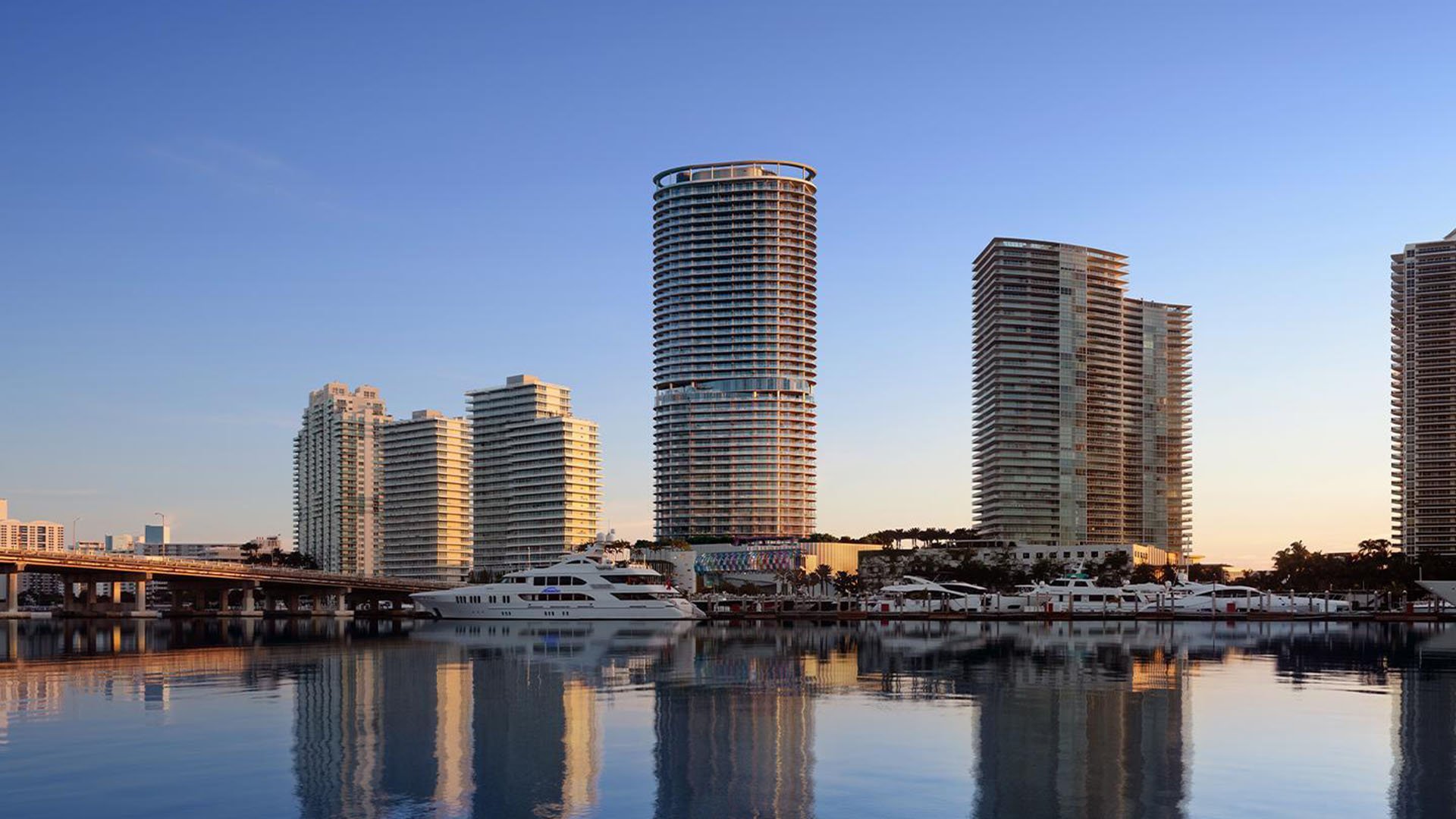
For a buyer considering Five Park Miami Beach, the essential question is not only whether the residence, views, finishes, and location suit the way you want to live. It is also whether the branded lifestyle being presented is protected by documents that will remain meaningful after closing, after turnover, and eventually at resale.
In ultra-prime Miami Beach, the name on the building can shape expectations around service, privacy, programming, wellness, club access, and daily ease. That does not make the brand promise self-executing. Treat it as enforceable only to the extent it appears in signed and recorded governing documents, the sales contract, the condominium declaration, association bylaws, management agreements, and any club or amenity agreements that bind owners.
Begin with the most basic point: which instrument gives the property the right to use the Five Park name and associated service platform? The answer may be a license agreement, a management agreement, a club agreement, an amenity agreement, or several documents operating together.
That distinction matters. A license may control naming rights and brand standards. A management agreement may control staffing, service delivery, vendor selection, and budgets. A club or amenity document may control access, dues, guest privileges, and programming. Buyers should ask for the full document stack before contract deadlines: not a summary, not a marketing description, and not an oral explanation.
This same discipline applies across the upper tier of Miami Beach and nearby coastal inventory. Buyers comparing Five Park with The Perigon Miami Beach or Shore Club Private Collections Miami Beach should read the governing documents with the same seriousness they give to architecture and view corridors.
The next question is who, legally, sits on each side of the arrangement. Is the developer a party? Is the condominium association bound directly? Is there a management affiliate, a club operator, a park or recreational-facility entity, or another third party with rights that survive turnover?
The buyer should then ask for the initial term of every brand, management, club, and amenity arrangement. Does it renew automatically? Is renewal optional? Can owners or the association approve, reject, or renegotiate a renewal after turnover? A long initial term may protect continuity, but it may also lock owners into costs or operating structures they cannot easily change.
Equally important is the exit scenario. If the brand relationship ends, can the building keep its name? Must signage, marketing materials, uniforms, collateral, or digital assets be removed? Would a rebrand require association funds? A quiet answer to those questions can be more revealing than a dramatic sales presentation.
Five Park should be evaluated as a long-term lifestyle, amenity, and brand-services arrangement, not simply as a luxury condominium purchase. The buyer should ask whether wellness, social, lifestyle, club, dining, park, and private amenity programming is legally required, or whether it can later be reduced, modified, outsourced, or discontinued.
This is where language matters. An amenity appurtenant to unit ownership is different from a service offered through a revocable program. A club membership is different from a common element right. A private dining privilege is different from guaranteed access. A resident event calendar is different from a binding operating covenant.
For buyers also reviewing The Ritz-Carlton Residences® South Beach or Setai Residences Miami Beach, the same principle applies: the value of service depends on who must provide it, who pays for it, and who can change it.
A branded residence can feel effortless precisely because the service layer is carefully choreographed. But choreography has a cost. Ask which expenses are paid by owners through association assessments, club dues, user fees, separate charges, or special assessments.
Then ask how each cost is calculated. Are license fees fixed, percentage-based, indexed to inflation, or uncapped? Are management fees tied to operating budgets? Can brand-standard compliance require renovations, staffing increases, new technology, marketing charges, shared-service costs, or capital improvements funded by owners?
The most elegant buildings can become financially frustrating when owners discover that the lifestyle they admired is discretionary, terminable, or costly to maintain. For an investment buyer, this is not merely an operating question. It affects carrying cost, buyer confidence, and the long-term pricing narrative.
Buyers should ask who controls operating decisions for branded amenities, including staffing levels, service standards, vendor selection, budgets, hours of operation, guest access, events, rental rules, short-term use, and hospitality-style services. These topics may sit across the brand documents, declaration, bylaws, and association rules.
Ask whether the association can terminate or replace the brand manager or club operator for poor performance, excessive cost, insolvency, default, or other failures. Ask whether owners have approval rights over material amendments after turnover. Ask whether any developer-affiliate agreements survive turnover and continue to route control or revenue away from the owner-controlled association.
This is especially important in a pre-construction or new-construction purchase, when buyers are often underwriting a future lifestyle rather than an operating history.
Resale value is not only about comparable sales and finishes. It is also about whether the next buyer inherits the same rights, dues, service obligations, access privileges, and membership structure. If access to a park, club, wellness, dining, or private amenity area depends on a separate membership, the transfer terms should be understood before purchase.
Dispute provisions also deserve attention. If a disagreement arises over brand standards, fees, access rights, or termination, will the matter go to court, arbitration, mediation, or a contract-specific process? A sophisticated buyer wants to know the forum before there is a conflict.
For buyers tracking Five Park Miami Beach across Miami Beach resale, pre-construction, new-construction, and investment decisions, the central lesson is simple: buy the residence you love, but underwrite the documents you will live with.
Is the Five Park brand automatically permanent? Not unless the governing documents make it so. Buyers should ask what happens if the brand relationship ends or is not renewed.
Which documents should a buyer request? Request the sales contract, declaration, bylaws, management agreements, brand or license documents, and club or amenity agreements.
Why does the identity of the parties matter? It shows who controls the brand, who receives fees, and whether obligations survive developer turnover.
Can amenity programming be reduced later? It depends on whether the programming is legally required or merely offered as part of the lifestyle platform.
Who pays for brand-related costs? Costs may flow through assessments, club dues, user fees, separate charges, or other owner-funded mechanisms.
Can brand standards create future capital costs? Yes, if the documents require upgrades, renovations, staffing changes, or compliance spending funded by owners.
Can the association replace a manager or club operator? Buyers should confirm whether termination rights exist for poor performance, excessive cost, insolvency, or default.
Are club privileges always tied to unit ownership? Not necessarily. Access may be appurtenant to ownership or controlled by a separate membership structure.
How can brand terms affect resale? Future buyers will evaluate the same rights, dues, service obligations, access terms, and operating costs.
Should a Florida condo attorney review the documents? Yes. Counsel should review the full document stack before contract deadlines and identify long-term owner obligations.
For a discreet conversation and a curated building-by-building shortlist, connect with MILLION.
If branded residences are on your mind — as a home or as an allocation — we would be glad to share what we are seeing, privately.
Begin a quiet conversation