A buyer-focused guide to assessing discreet, resident-first security in Fisher Island property decisions, with emphasis on privacy, arrival experience, governance, service culture, and long-term livability.
For many buyers, Fisher Island carries an expectation of privacy before the first showing is scheduled. Yet the most sophisticated security is rarely the loudest. It is not measured by how many visible barriers a visitor notices, or by how intimidating an entry sequence feels. It is measured by whether daily life remains graceful, protected, and unburdened.
That distinction matters. A residence can appear highly secure while still creating friction for owners, family members, staff, and guests. Conversely, a well-run address can feel serene because its protective systems are layered, trained, and integrated into the rhythm of the property. For a Fisher Island buyer, the goal is not to buy theater. The goal is to understand whether privacy has been engineered into the living experience.
Fisher Island is best evaluated through an Exclusive-area lens: entry, movement, staffing, service, and discretion all need to work together. The right questions reveal whether a property is simply gated, or genuinely composed.
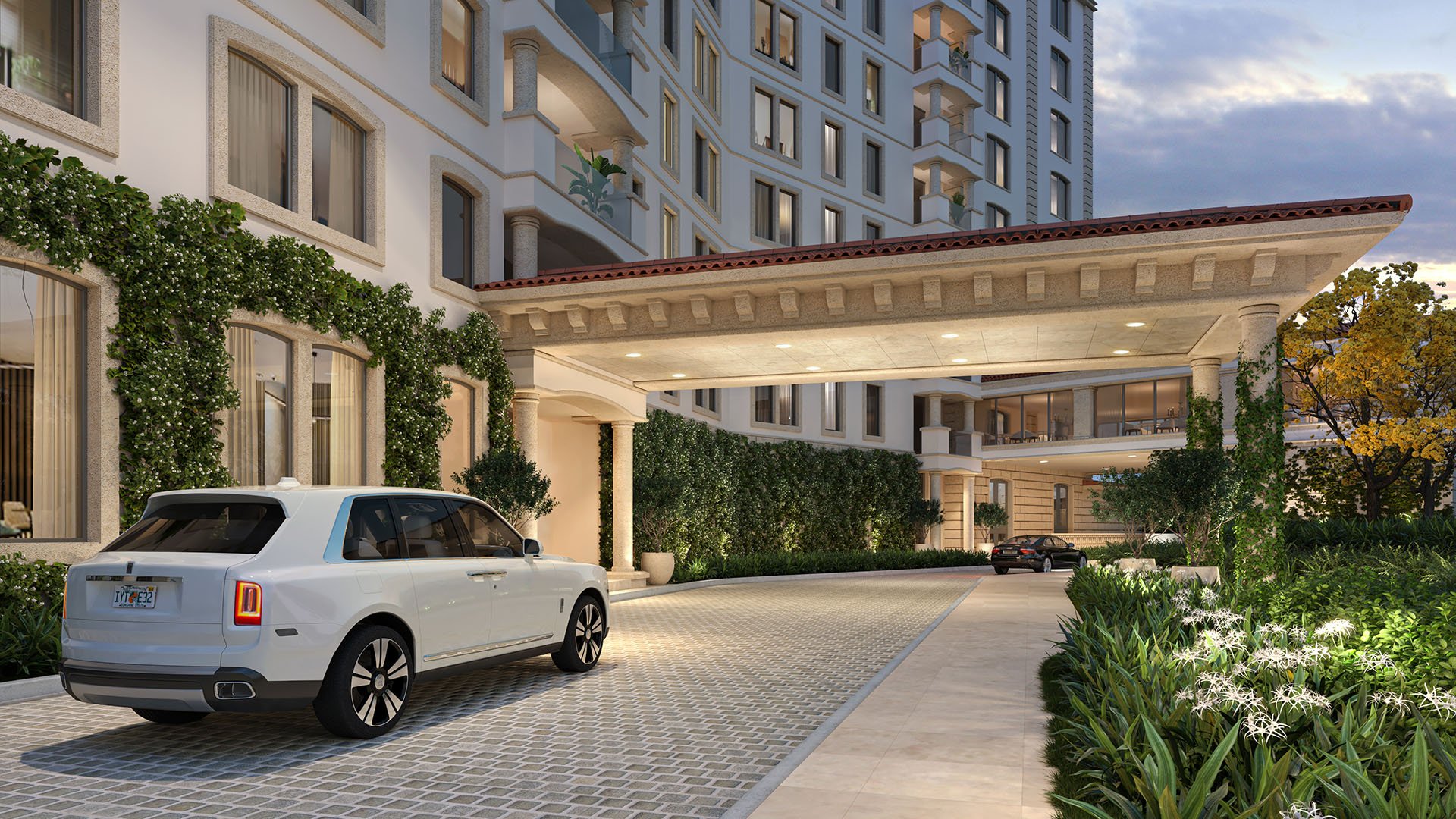
The first security evaluation should happen before you reach the residence itself. Observe the complete arrival experience with the same attention you would give to architecture or views. Is the process calm, consistent, and respectful? Are names handled discreetly? Do staff members appear trained to recognize residents without over-performing formality? Is there a clear distinction between residents, invited guests, vendors, and unknown arrivals?
A theatrical system often announces itself through friction. It may rely on visible gestures that make everyone feel watched, but not necessarily better protected. A discreet system feels procedural without feeling punitive. Staff do not improvise in front of guests. The sequence does not depend on one charismatic attendant. It works because the protocol is already embedded.
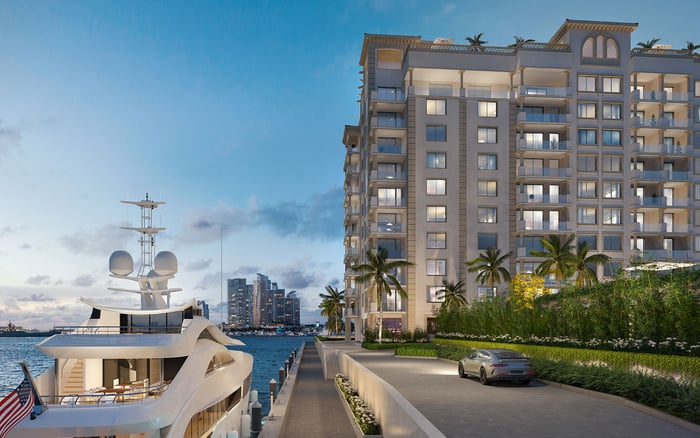
When touring residences such as The Residences at Six Fisher Island, buyers should pay attention to how the broader arrival experience supports the private residential threshold. The question is not only what happens at the door. It is what happens before anyone reaches it.
High-net-worth buyers sometimes mistake visibility for control. Cameras, guards, desks, access points, and gates can all be valuable, but their presence alone says little about judgment. What matters is how the system is managed, how exceptions are handled, and whether the resident experience remains elegant under pressure.
Ask how the property treats recurring visitors, domestic staff, drivers, contractors, wellness providers, and last-minute guests. A truly discreet building or enclave will have a clear way to verify access without turning every interaction into a scene. It will avoid broadcasting personal patterns. It will protect the resident's privacy as much from social exposure as from physical intrusion.
This is especially important for a Waterfront buyer, where privacy is not only about the front entry. Sightlines, terraces, service corridors, parking, package handling, and amenity circulation all contribute to the feeling of security. The most refined properties consider these zones as a single ecosystem rather than isolated checkpoints.
Security culture is often written into documents before it is visible in daily life. Buyers should request and review applicable association rules, guest policies, vendor procedures, rental restrictions where relevant, and any protocols governing deliveries, events, service personnel, and amenity use. The objective is not paperwork for its own sake. It is to understand whether the property has a coherent operating philosophy.
If a residence is part of a Gated-community context, ask how the different layers of control relate to one another. Who has authority at each point? How are approvals updated? What happens when a resident hosts a dinner, receives a high-profile guest, or schedules a contractor during a sensitive time? Are rules applied consistently, or do they depend on who is asking?
A buyer considering The Links Estates at Fisher Island should think beyond the appeal of estate-style privacy and examine the practical management of access. The most desirable setting can lose its ease if governance is vague, overly reactive, or unevenly enforced.
The human layer is where discreet security either succeeds or fails. Staff should be attentive without appearing curious. They should remember preferences without discussing them. They should know when to step forward and when to remain invisible.
During a showing, notice whether staff members speak about residents, visitors, or notable owners. Even casual comments can reveal a culture that is too conversational for serious privacy. The best service environments understand that discretion is not a marketing word. It is a habit.
Buyers comparing established and newer luxury settings, from Palazzo del Sol to Palazzo della Luna, should ask the same operational questions regardless of architecture or age. A polished lobby means little if procedures are informal. A serene entry means more when every staff interaction reinforces confidentiality.
Security should not make ordinary living feel ceremonial. A residence that requires excessive coordination for basic routines may feel impressive during a tour and exhausting after closing. Before purchasing, imagine a normal week: family arrivals, school runs, wellness appointments, pet care, deliveries, dinner guests, maintenance visits, and travel days.
The best systems absorb these movements quietly. They know how to accommodate complexity without exposing it. They reduce the number of times a resident must explain personal details. They allow the household to function without creating a public rhythm that others can observe.
This is also where lifestyle and protection intersect. Fisher Island buyers are often seeking calm, not just control. Security should preserve the sensation of being at home. If it feels like a performance every time a guest arrives, the system may be working against the very privacy it claims to protect.
Technology can strengthen a security environment, but it should never be the entire story. Buyers should ask whether access systems, communication tools, cameras, credentials, and monitoring practices are supported by trained people and clear procedures. A system is only as strong as its weakest habit.
Avoid being impressed by generic claims. Instead, ask practical questions: how are credentials issued and revoked, how are guest lists updated, how are vendors logged, how are after-hours situations handled, and how is resident information protected? If the answers are vague, the technology may be more decorative than operational.
Discreet security is not anti-technology. It is anti-noise. The right system should make protection feel lighter, faster, and less visible.
Before purchasing in Fisher Island, a buyer should leave the security review with a sense of calm rather than spectacle. The property should demonstrate layered control, thoughtful staffing, clear governance, and a daily experience that feels natural. It should protect identity, movement, guests, service routines, and the emotional ease of home.
The most compelling security is not the kind that asks to be admired. It is the kind that disappears into excellent operations. For a luxury buyer, that is the real premium: not merely being guarded, but being able to live privately without being reminded of the machinery that makes privacy possible.
What does discreet security mean for a Fisher Island buyer? It means protective measures are present, layered, and professional without making daily life feel staged or intrusive.
Should I be impressed by highly visible security features? Visibility can be useful, but it is not proof of effectiveness. Ask how procedures work when guests, vendors, and residents move through the property.
What should I observe during a private showing? Watch the arrival process, staff discretion, guest handling, service access, and whether protocols feel calm rather than improvised.
Why do governance documents matter? Rules reveal how privacy is managed after closing. They can clarify guest approvals, vendor access, deliveries, events, and amenity conduct.
How can I evaluate staff culture? Notice whether staff remain professional, avoid discussing residents, and handle names or access details quietly.
Is technology enough to create strong security? No. Technology should support trained personnel and clear procedures, not replace judgment, consistency, or discretion.
What is a warning sign during due diligence? Vague answers about access control, inconsistent guest procedures, or casual discussion of residents can signal weak privacy culture.
How should Waterfront privacy be evaluated? Consider sightlines, terraces, service routes, amenity circulation, and arrival points as part of one privacy ecosystem.
Can security be too theatrical? Yes. If protection creates unnecessary attention or friction, it may undermine the ease and privacy a buyer is seeking.
What is the ideal buyer takeaway before closing? You should understand how the property protects residents in ordinary routines, not just during exceptional moments.
When you're ready to tour or underwrite the options, connect with MILLION.
If branded residences are on your mind — as a home or as an allocation — we would be glad to share what we are seeing, privately.
Begin a quiet conversation