A buyer-focused guide to evaluating balcony and terrace maintenance obligations, documentation, durability, lifestyle limits, and negotiation points before purchasing luxury real estate in Bal Harbour.
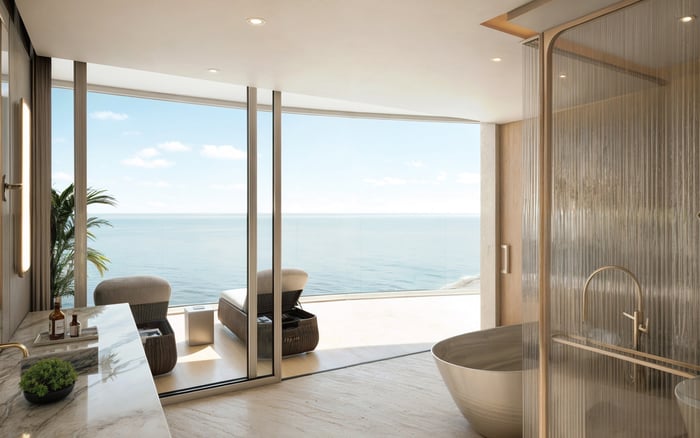
In Bal Harbour, outdoor space is not an accessory. It is part of the architecture, the daily ritual, and often the emotional reason a buyer chooses one residence over another. A broad balcony can make breakfast feel private and cinematic. A deep terrace can turn a winter evening into a second living room. Yet those same exterior areas carry responsibilities that are easy to underestimate during a polished showing.
For the luxury buyer, the question is not simply whether the view is beautiful. It is whether the building, association, and prior owner have treated that exterior space with the same discipline applied to interiors, lobbies, elevators, and amenities. Oceanfront exposure, wind, moisture, furniture weight, planters, drains, railings, thresholds, and surface materials all deserve careful review before contracts become commitments.
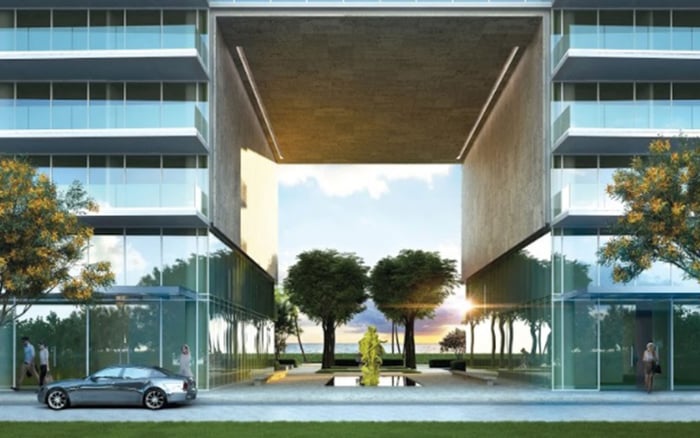
A buyer considering Rivage Bal Harbour, Oceana Bal Harbour, or a nearby Surfside address such as Fendi Château Residences Surfside should treat the balcony as a technical space as much as a lifestyle space. The best outdoor areas are not only dramatic. They are understood, documented, and maintainable.
Begin with a deceptively simple question: which parts of the balcony or terrace are the owner’s responsibility, and which belong to the association? Buyers should ask about the slab, waterproofing membrane, finished flooring, railings, glass panels, drainage components, exterior lighting, doors, thresholds, planters, and any built-in features.
The answer may vary by condominium documents, alteration history, and the nature of the exterior element. A private terrace that feels like part of the residence may still involve common elements, limited common elements, or association-controlled systems. Before closing, ask your attorney to review the declaration, rules, recent board materials, and any alteration agreements tied to the unit.
The goal is to understand not only who pays for routine care, but who decides when work is performed, who selects contractors, and whether the owner must provide access from inside the residence. In a high-service building, inconvenience may be managed gracefully, but it is still inconvenience.
Waterproofing is one of the most important topics a buyer can raise. Ask when balcony or terrace waterproofing was last evaluated, whether any recent repairs have been performed, and whether there are known recurring issues in similar lines or stacks. Do not settle for a broad assurance that everything is in good condition. Ask what records exist.
Drainage deserves equal attention. A terrace may look pristine on a sunny afternoon, but the real test is how it performs during heavy rain. Ask where drains are located, how often they are cleared, who is responsible for clearing them, and whether planters or furniture layouts can obstruct water flow. If the residence has a large entertaining terrace, ask whether specific rules govern outdoor rugs, pots, or landscape elements.
Exterior doors and thresholds should also be part of the inspection conversation. Ask whether the transitions from indoor flooring to outdoor surfaces have been modified, whether any owner upgrades were approved, and whether there has been evidence of water intrusion at sliders, frames, or interior walls adjacent to outdoor areas.
Luxury buyers often focus on finishes, but on exterior space, hardware can be just as important as stone, tile, or decking. Ask about railing systems, glass panels, fasteners, door tracks, exterior outlets, lighting, and any mechanical shades or screens. If the residence has a substantial terrace, request clarity on load considerations for furniture, planters, sculpture, outdoor kitchens, or other heavy design elements.
In the Bal Harbour context, the cleanest design is often the least forgiving. Minimal glass railings, large-format exterior flooring, and flush transitions create a serene visual field, but they also require precise installation and ongoing maintenance. Ask whether replacement materials are standardized by the association. If a tile cracks or a railing component needs replacement, can it be matched, and who approves the work?
Buyers comparing Bal Harbour with Surfside options such as The Delmore Surfside should ask similar questions across buildings. The point is not to avoid outdoor space. It is to understand the stewardship required for the version of outdoor living you want.
A terrace is most valuable when it supports the way you actually live. Before buying, ask what furniture, umbrellas, planters, lighting, heaters, grills, outdoor kitchens, art, audio equipment, pet features, and seasonal décor are allowed. Also ask whether items must be removed during severe weather alerts or when the owner is away for extended periods.
For second-home owners, this is especially important. A beautiful outdoor room can become a management issue if cushions, umbrellas, planters, or decorative objects require frequent attention. Ask whether building staff can assist, whether outside vendors need approval, and whether there are limits on delivery access for large outdoor furnishings.
Privacy rules also matter. Ask whether screening, hedges, planter walls, drapery, or shade structures are permitted. A buyer may imagine a lush, resort-like terrace only to learn later that the association requires a more restrained exterior appearance.
Balcony and terrace maintenance is rarely just cosmetic. It can intersect with association reserves, capital projects, inspections, access schedules, and insurance considerations. Buyers should ask whether exterior restoration, railing work, waterproofing, façade projects, or concrete repairs have been discussed, budgeted, completed, or deferred.
The issue is not whether a building has maintenance needs. Every serious property does. The more refined question is whether the association has a clear approach to caring for the exterior envelope. Ask for meeting minutes, reserve information, engineering communications if available to buyers, and disclosures related to pending or contemplated work.
If a residence offers unusually large outdoor space, ask whether the unit’s share of costs differs from other residences or whether any prior owner alteration creates a separate maintenance obligation. A spectacular terrace can be a privilege, but it should be a legible privilege.
Outdoor space influences both daily use and future marketability. A buyer should ask how often exterior areas are cleaned, whether pressure washing is permitted, who coordinates window and glass maintenance, and whether balcony access is restricted during building projects. If a terrace is central to the purchase decision, clarify how much use could realistically be interrupted by scheduled work.
Resale buyers will ask the same questions you ask today. A residence with well-documented exterior maintenance, approved alterations, clear responsibility, and clean inspection results is easier to understand. A residence with ambiguous terrace improvements, unapproved flooring, blocked drains, or improvised planters may require negotiation, remediation, or additional legal review.
In Bal Harbour, elegance is often quiet. The most desirable ownership experience is not defined by avoiding complexity, but by anticipating it. When the terrace is properly understood, it becomes what it should be: a private stage for light, air, water, and discretion.
Who usually maintains a condominium balcony in Bal Harbour? Responsibility depends on the condominium documents. Ask your attorney to review whether each component is a unit element, common element, or limited common element.
Should I inspect the balcony even if it looks newly finished? Yes. A fresh surface can conceal drainage, waterproofing, or approval questions that matter after closing.
What should I ask about terrace drainage? Ask where drains are located, who clears them, and whether furniture, rugs, or planters may interfere with water flow.
Can I add planters or an outdoor kitchen after closing? Possibly, but do not assume it. Review association rules, alteration procedures, weight limits, utility requirements, and approval timelines.
Are railings and glass panels my responsibility? They may be association-controlled, owner-maintained, or subject to shared rules. Confirm the exact obligation before purchasing.
How do I evaluate prior balcony alterations? Request permits, association approvals, contractor information, warranties, and any maintenance obligations tied to the work.
Can terrace repairs affect my ability to use the residence? Yes. Exterior work may require access, furniture removal, noise, staging, or temporary restrictions on outdoor areas.
Should balcony maintenance influence my offer? It can. Inspection findings, unclear obligations, or upcoming projects may justify credits, repairs, or revised contract terms.
Is a larger terrace always better for resale? Not automatically. Size helps when maintenance, approvals, privacy, drainage, and usability are equally compelling.
What is the most important document to review? Start with condominium documents, then examine rules, minutes, budgets, reserves, disclosures, and alteration records.
If you'd like a private walkthrough and a curated shortlist, connect with MILLION.
If branded residences are on your mind — as a home or as an allocation — we would be glad to share what we are seeing, privately.
Begin a quiet conversation