A discreet buyer’s guide to evaluating climate control, humidity management, filtration, light exposure, backup power, and collection-ready spaces before purchasing a luxury residence in Sunny Isles Beach.
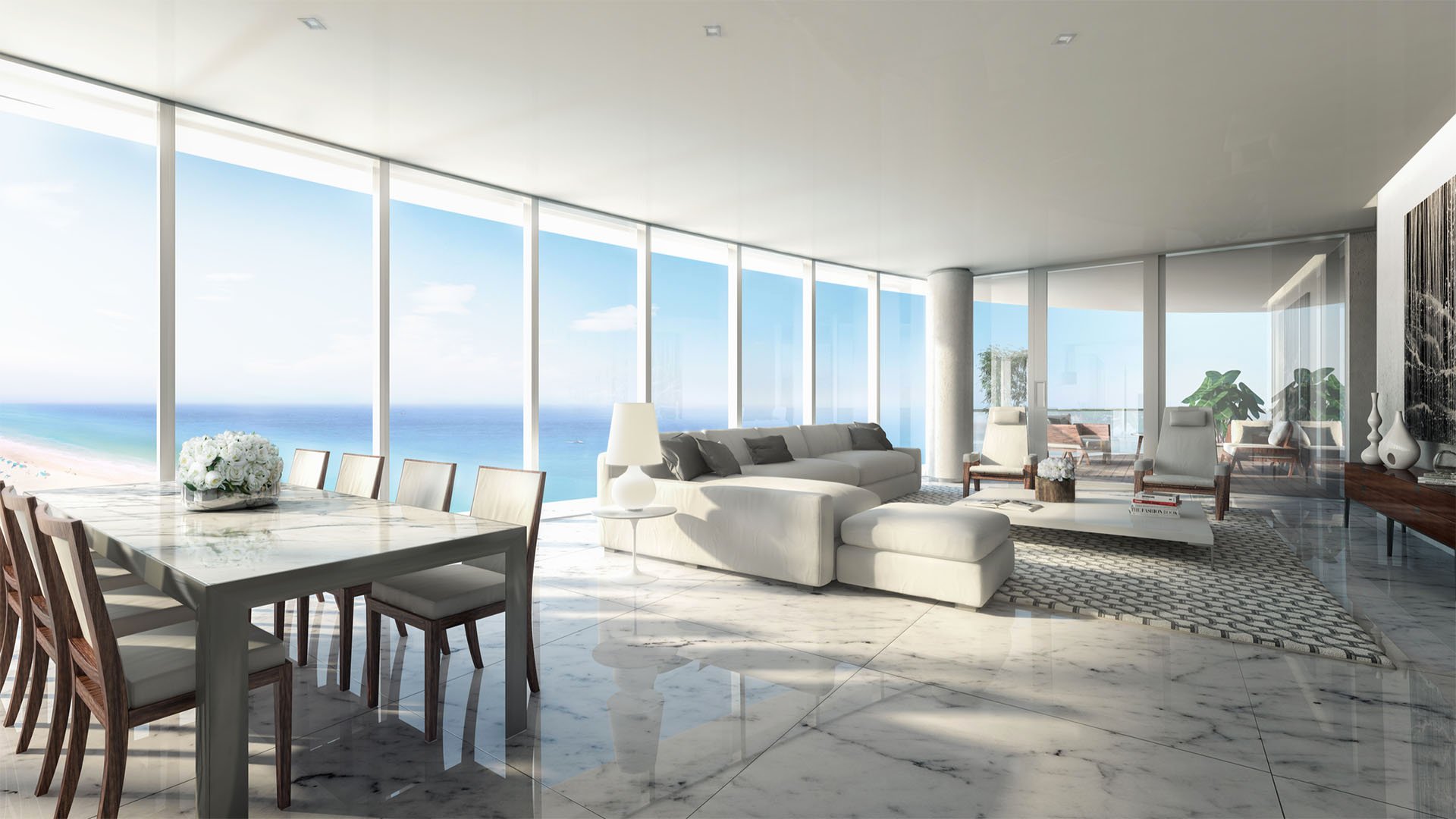
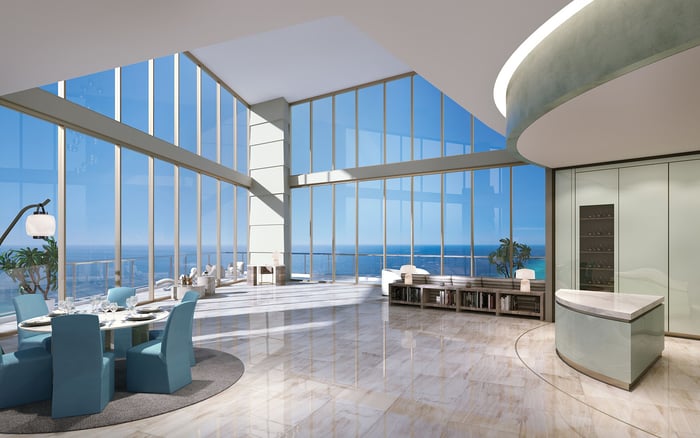
In Sunny Isles Beach, buyers often begin with the visible pleasures: ocean light, high floors, terraces, valet arrival, private amenities, and the serenity of a residence that feels removed from the city. For collectors, there is another layer of luxury to evaluate before the closing table: whether the home can protect art, design objects, rare books, photography, textiles, and collectible furnishings with the same discretion it applies to service and finishes.
Art-friendly climate control is not simply a better thermostat. It is the coordination of mechanical systems, humidity management, filtration, building envelope, glazing, backup power, and daily operating protocols. The right questions reveal whether a residence is merely comfortable for people or genuinely suitable for sensitive possessions.
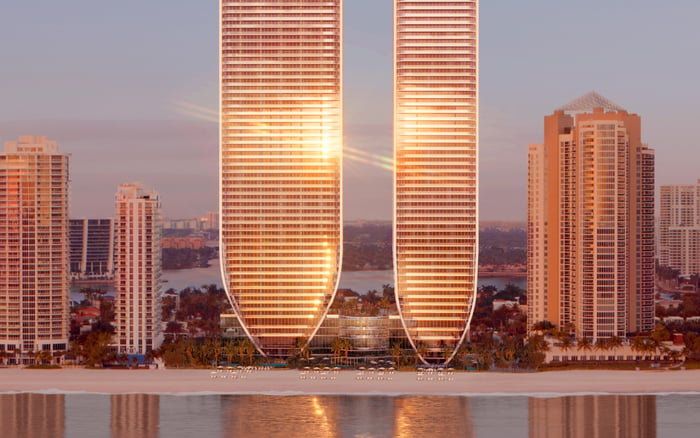
This matters in oceanfront living, where light, salt air, moisture, power interruptions, and extensive glass exposure can all shape the ownership conversation. In the Sunny Isles market, residences such as Armani Casa Sunny Isles Beach and other design-driven towers invite buyers to think beyond décor and ask how the atmosphere of the home will perform over years, not just during a showing.
The first question is simple: who controls the climate, and how precisely? In some luxury buildings, the owner may have broad control over temperature settings within the residence. In others, building-wide systems, risers, maintenance rules, or shared infrastructure may shape what can be adjusted. A collector should understand where individual control begins and where building operation takes over.
Ask whether the system allows separate zones for galleries, bedrooms, wine displays, closets, offices, and storage rooms. An art wall exposed to afternoon sun may require a different strategy than a shaded corridor. A primary suite may be comfortable for sleeping, while a collection room may need tighter stability. If the home is large, a single-zone approach can create uneven conditions, especially around glass, corners, and double-height spaces.
Buyers touring Bentley Residences Sunny Isles, for example, may be drawn to the drama of space and arrival. The climate diligence should be just as specific: how will the system respond when the residence is occupied, vacant, entertaining, or receiving direct sun? A beautiful room is not necessarily a stable room.
Temperature gets attention because it is easy to feel. Humidity is more elusive, and often more consequential for art. Before buying, ask how the residence manages moisture rather than assuming that cooling alone is sufficient. Air that feels cool can still be inappropriate for certain works if humidity swings are not controlled.
A prudent buyer should request a clear explanation of dehumidification, fresh-air intake, filtration, maintenance access, and sensor placement. Where are readings taken? Near return air, near glass, in interior rooms, or in storage areas? Are alerts available if conditions move outside the owner’s preferred range? Can the owner monitor conditions remotely while traveling?
This is also where collection planning becomes personal. Paintings, works on paper, photography, vintage furniture, textiles, and mixed-media pieces may have different sensitivities. The building does not need to know the value of a collection, but the owner’s advisers should know enough to determine whether the residence can be operated with appropriate consistency.
Sunny Isles Beach residences often celebrate glass. For collectors, glass is both beauty and challenge. Ask how direct light is filtered, whether shades can be automated, whether films or treatments are permitted, and how the building approaches condensation risk at glass lines. A residence with sweeping views may still require disciplined placement of works.
During a showing, do not only admire the walls. Study them. Which walls receive the longest exposure? Which are near doors to terraces? Which are adjacent to wet areas, mechanical rooms, kitchens, or elevator cores? Which walls are backed by concrete, drywall, millwork, or another assembly? These questions belong in the same conversation as lighting design and hanging systems.
At St. Regis® Residences Sunny Isles, as in any service-led residence, buyers may focus on hospitality, arrival, and amenities. A collector should add another lens: where will the most important works live, and can those locations be protected from excessive light, heat gain, drafts, and activity?
Climate control depends on continuity. Before purchasing, ask what happens when power is interrupted, which systems are supported, how long critical functions may continue, and whether in-unit climate control receives any backup support. Avoid vague assurances. The right answer should distinguish between life safety, elevators, common areas, security, refrigeration, and residence-level comfort.
For an owner who travels frequently, the key issue is not only whether the residence is comfortable when occupied. It is whether conditions can be monitored and corrected when no one is there. Ask about remote access, building response protocols, after-hours engineering, leak detection, and whether approved vendors can enter under written authorization.
This is a practical concern, not a dramatic one. Even the most refined residence needs a plan for ordinary interruptions, service visits, filter changes, sensor calibration, and seasonal adjustments. Collection care is a habit of continuity.
The best climate diligence happens before the buyer falls in love with the furniture plan. Bring a short, direct checklist and ask for written follow-up where the answers matter. Start with these questions: What systems serve the residence? Which zones are separately controlled? How is humidity addressed? Where are sensors located? What filtration is used? What maintenance is required? Are there building rules affecting supplemental systems? What happens during prolonged absence?
Ask whether a dedicated art storage closet, conditioned archive, or interior gallery wall can be created without compromising building rules. If the residence is a new acquisition, ask whether the seller has operated the home consistently or seasonally. A residence that has been mostly vacant may not reveal the same climate behavior as one used every day.
At The Ritz-Carlton Residences® Sunny Isles, buyers may evaluate service culture and privacy as part of the purchase. The same discipline should apply to mechanical transparency. A serious buyer should feel comfortable asking for the details behind the atmosphere.
Luxury real estate advisors, mechanical specialists, art handlers, lighting designers, and conservators each see a different version of the same residence. For significant collections, involve them early. A conservator may flag risks that are invisible during a tour. A mechanical specialist may notice that an elegant space needs better zoning or monitoring. An art installer may identify walls that are visually perfect but operationally imperfect.
The goal is not to turn a home into a museum. The goal is to let a private residence live beautifully while respecting the needs of the works inside it. In the best cases, climate control disappears into the architecture, and the owner simply experiences calm, stable, intelligent comfort.
Before buying in Sunny Isles Beach, ask the questions that protect both pleasure and patrimony. In the ultra-premium market, art-friendly climate control is not a technical afterthought. It is part of the definition of a residence that is truly ready to be lived in, collected in, and kept.
Should I ask for HVAC specifications before making an offer? Yes. If art or collectible design is part of the residence plan, climate performance should be reviewed before key contingencies are waived.
Is temperature control enough for an art collection? No. Humidity, filtration, light exposure, airflow, monitoring, and power continuity are all part of collection care.
Can I add a supplemental system after closing? Possibly, but building rules, mechanical capacity, noise, drainage, exterior penetrations, and approvals may limit what can be installed.
Should I involve a conservator in the purchase process? For meaningful collections, yes. A conservator can help identify risks that are not obvious during a standard real estate showing.
Are ocean-facing rooms always risky for art? Not always. The key is to evaluate light, humidity stability, glazing, shades, wall placement, and the behavior of the room throughout the day.
What should I ask about remote monitoring? Ask whether temperature, humidity, leaks, and system alerts can be monitored remotely and who responds if the owner is away.
Do closets and storage rooms need climate attention? Yes. Works on paper, textiles, archives, and collectible fashion may be stored away from view but still need stable conditions.
How should I think about backup power? Ask which systems receive support during interruptions and whether residence-level climate functions are included or excluded.
Can art lighting affect climate conditions? Yes. Lighting choices can influence heat exposure and should be coordinated with the art plan, shading, and HVAC strategy.
What is the best way to shortlist comparable options for touring? Start with location fit, delivery status, and daily lifestyle priorities, then compare stacks and elevations to validate views and privacy.
For a discreet conversation and a curated building-by-building shortlist, connect with MILLION.
If branded residences are on your mind — as a home or as an allocation — we would be glad to share what we are seeing, privately.
Begin a quiet conversation