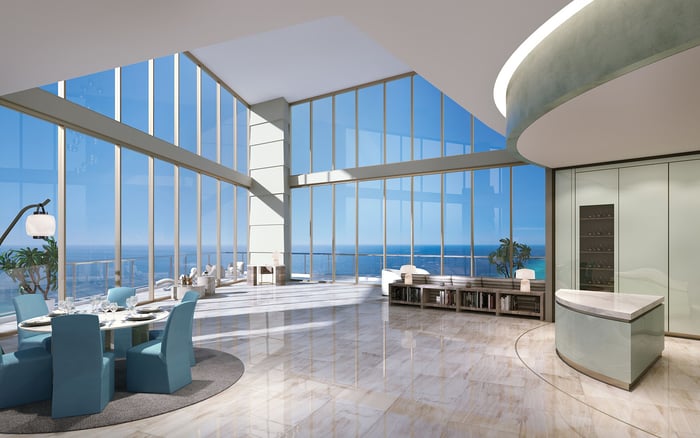
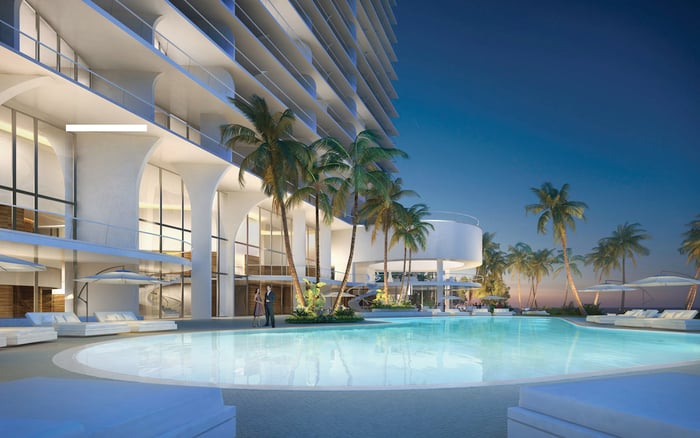
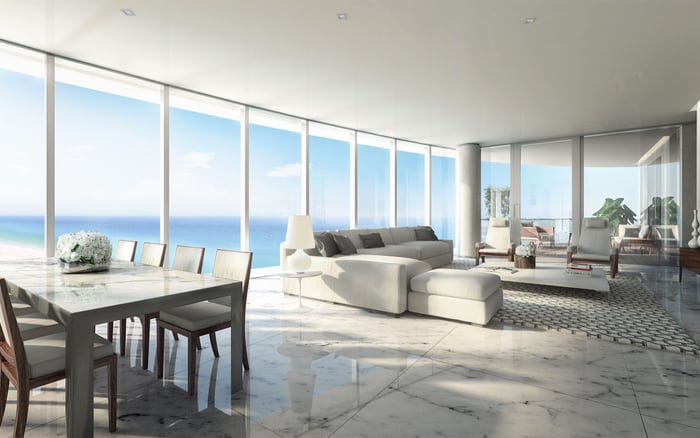
A discreet buyer’s guide for Chicago owners considering a seasonal pied-à-terre in Sunny Isles Beach, focused on lifestyle fit, building selection, lock-and-leave ease, and careful condo due diligence.
A seasonal pied-à-terre in Sunny Isles Beach is not simply a smaller version of a primary residence. For a Chicago buyer, it is a carefully edited second address: effortless from the moment of arrival and simple to manage when unoccupied. The strongest purchases begin with a candid definition of use, whether that means long winter stays, occasional long weekends, family holidays, remote work intervals, or a future transition toward fuller-time Florida living.
That answer should guide every subsequent decision. A residence intended for two extended stays each year may justify a larger terrace, a more formal primary suite, and generous owner storage. A property intended for quick escapes should prioritize arrival convenience, intuitive building services, and a floor plan that feels welcoming without preparation. In the buyer brief, labels such as Oceanfront, Second-home, and Sunny Isles can be useful filters, but they are not substitutes for a precise lifestyle plan.
Sunny Isles Beach attracts buyers who want a polished coastal setting with high-rise privacy, expansive water views, and a residential rhythm that can feel quieter than more nightlife-driven enclaves. The appeal is not only the beach. It is the ability to live vertically, privately, and with a level of service that makes seasonal ownership feel less like maintenance and more like hospitality.
For Chicago owners accustomed to full-service buildings, the comparison should be nuanced. Doorman culture, valet operations, package handling, guest procedures, and staff responsiveness can vary meaningfully from one condominium to another. A pied-à-terre succeeds when those daily mechanics become nearly invisible. If the elevator ride, lobby sequence, parking arrival, and beach access all feel graceful, the residence begins to function as a true seasonal retreat.
Before seeing residences, create a written brief with five priorities and five non-negotiables. Priorities may include direct water outlooks, a den for work, two true bedroom suites, pet accommodation, a deep terrace, or a kitchen suited to entertaining. Non-negotiables often involve rental restrictions, guest policies, monthly carrying costs, building age, reserve posture, or the level of privacy in shared spaces.
This discipline matters because Sunny Isles can present a visually persuasive market. Views are emotional. Lobbies are memorable. Amenities can be seductive. Yet the best pied-à-terre is rarely chosen by spectacle alone. It is chosen by how well the building supports the owner’s actual cadence. If you arrive after a long travel day, will the home feel ready? If family visits, does the layout offer enough separation? If you are away for months, do the building procedures inspire confidence?
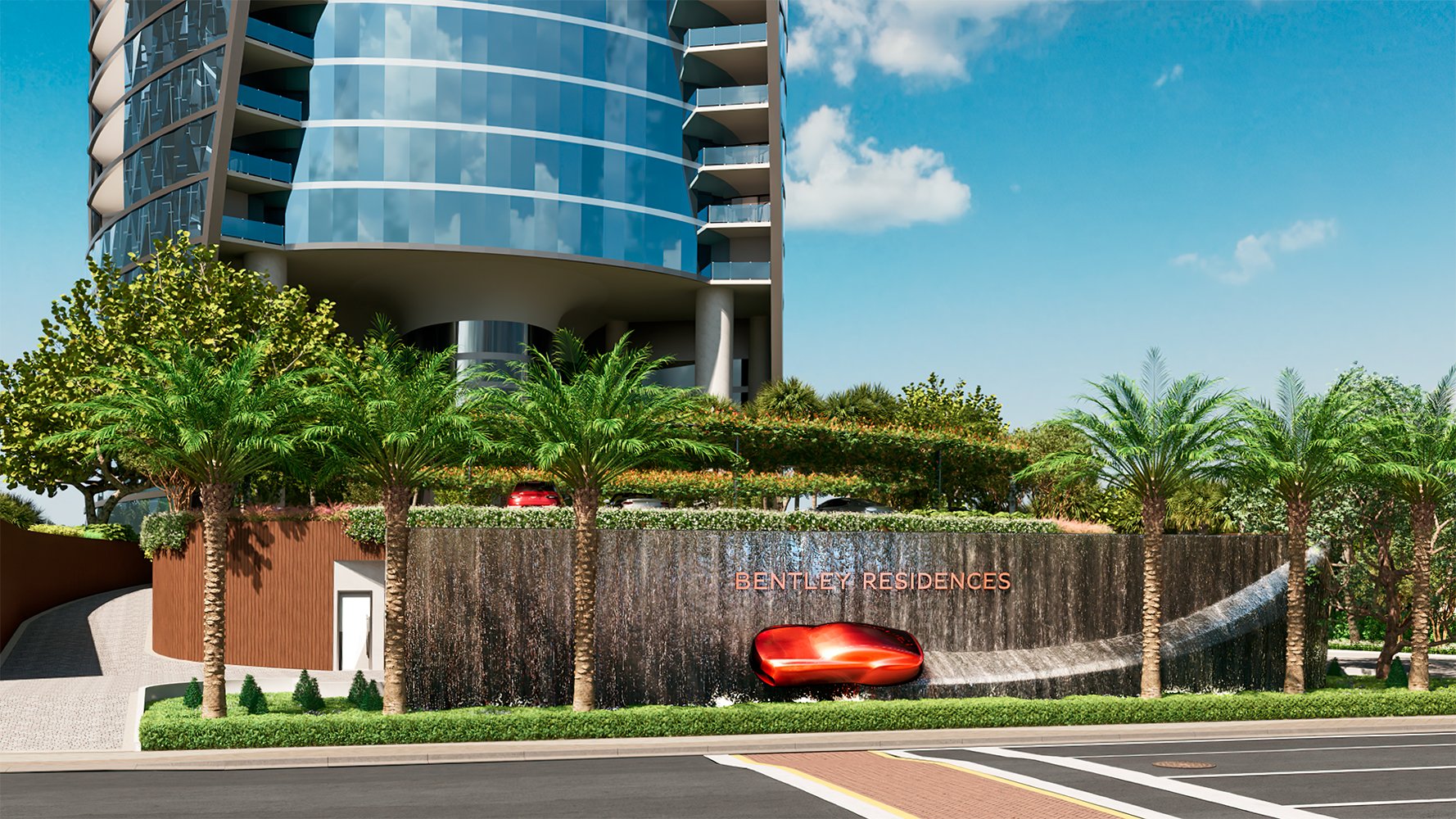
Sunny Isles offers a range of architectural and branded identities, and a Chicago buyer should compare them as operating environments rather than names alone. A residence at Bentley Residences Sunny Isles may enter the conversation for buyers drawn to a highly designed ownership experience, while St. Regis® Residences Sunny Isles naturally speaks to those who value a recognized hospitality sensibility.
Other buyers may prefer the balance of familiarity and discretion associated with The Ritz-Carlton Residences® Sunny Isles. A buyer comparing alternatives may also consider design-oriented or established luxury references such as Armani Casa Sunny Isles Beach or Jade Signature Sunny Isles Beach.
The important point is not to choose a logo. It is to understand what the building promises in practical terms. Ask how staff interact with seasonal owners, how vendors are managed, how guests are received, how deliveries are handled, and how the association communicates. In a pied-à-terre, service is not simply an amenity. It is part of the property’s architecture.
A buyer coming from Chicago should not assume condominium ownership works the same way in South Florida. The review process should be deliberate and document-driven. Association budgets, rules and regulations, meeting minutes, reserves, insurance arrangements, rental limitations, pet policies, renovation procedures, and any planned work should be reviewed carefully with qualified advisors.
Seasonal ownership also introduces questions that a primary-home buyer might overlook. Can trusted vendors access the unit when the owner is away? Are there restrictions on deliveries, contractors, or guest stays? How are water shutoffs, storm preparation, maintenance checks, and emergency contacts handled? What is the process if an owner wants to lend the residence to family? These are not secondary details. They determine whether the home remains serene in the owner’s absence.
Taxes, estate planning, financing, and insurance should be evaluated personally rather than assumed. A pied-à-terre can be a lifestyle acquisition, but it is still a major asset in a distinct legal and operating environment. The right advisory team should help clarify ownership structure, carrying costs, and long-term flexibility before enthusiasm becomes a contract.
The best seasonal floor plan is not always the largest. It is the one that removes friction. Entry sequences should be intuitive, storage should be generous enough for repeat stays, and bedrooms should allow privacy when guests visit. A den can be more valuable than a rarely used formal area if remote work is part of the ownership pattern.
Exposure deserves careful in-person evaluation. Light, glare, terrace usability, wind, and privacy can change the way a residence lives throughout the day. A dramatic view may matter less if the terrace feels uncomfortable during the hours you expect to use it. Conversely, a calmer exposure may be ideal for reading, breakfast, or evening calls back to Chicago.
Lock-and-leave performance is equally important. Consider flooring durability, window treatments, smart-home simplicity, humidity management, and ease of housekeeping. A seasonal home should tolerate absence without feeling neglected. When the owner returns, the first impression should be calm, ordered, and personal.
Price is only one part of value. For a Chicago buyer, seasonal usability can be negotiated through timing, inclusions, furniture, storage, parking, inspection periods, and clarity around association approvals. If the residence is being purchased furnished, document condition and exclusions with precision. If renovation is contemplated, confirm building procedures before assuming a timeline.
The most sophisticated buyers treat the transaction as a transition plan. They ask what must be done before the first stay, who will coordinate it, and what the residence should feel like on day one. That may include design edits, owner’s closets, technology setup, housewares, linen programs, art installation, or vendor access. A pied-à-terre succeeds when the acquisition and the first arrival are part of the same strategy.
What should a Chicago buyer decide before touring Sunny Isles condos? Decide how the residence will be used seasonally, including stay length, guest patterns, remote work needs, and tolerance for carrying costs.
Is a pied-à-terre different from a typical second home? Yes. A pied-à-terre is usually more edited and convenience-driven, with emphasis on ease of arrival, lock-and-leave management, and efficient luxury.
How important are building rules? They are central. Rental limits, pet policies, guest access, renovation procedures, and vendor rules can materially affect seasonal enjoyment.
Should branded residences be compared differently? Compare the actual service model, privacy, design quality, and ownership experience rather than relying on brand recognition alone.
What documents should be reviewed before contract deadlines? Buyers should review association financials, rules, meeting minutes, insurance information, reserves, and any disclosed building projects with advisors.
Is furniture important for a seasonal purchase? It can be. Furnished or turnkey arrangements may simplify first use, but inclusions and condition should be documented carefully.
What makes a layout strong for seasonal living? Useful storage, private guest areas, a practical den, comfortable terrace access, and easy maintenance often matter more than raw size.
Should buyers prioritize view or building service? Both matter, but service often determines how effortless the property feels when the owner is absent or arriving for a short stay.
Can a Sunny Isles pied-à-terre be rented when not in use? That depends on the building’s governing documents and local rules, so rental flexibility should be confirmed before purchase.
What is the best way to shortlist comparable options for touring? Start with location fit, delivery status, and daily lifestyle priorities, then compare stacks and elevations to validate views and privacy.
To compare the best-fit options with clarity, connect with MILLION.
If branded residences are on your mind — as a home or as an allocation — we would be glad to share what we are seeing, privately.
Begin a quiet conversation