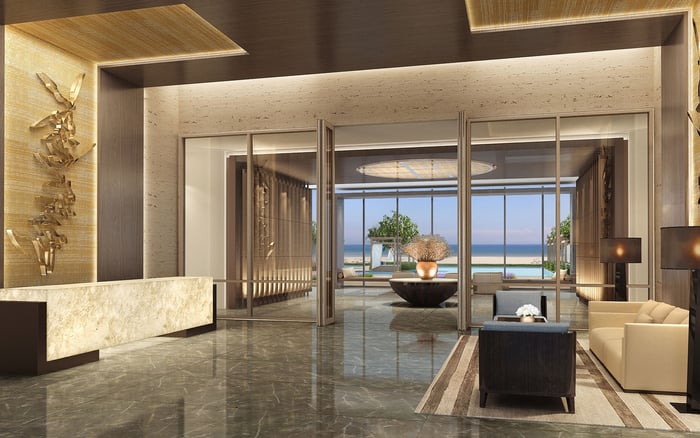
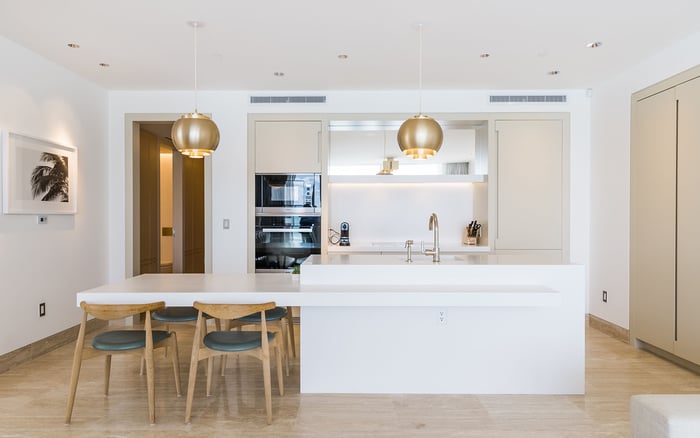
For privacy-minded buyers, residential hospitality is less about the prominence of a brand than the operating boundaries around a home. Mr. C Tigertail offers a documented residential-only proposition, while any comparison with The Surf Club Four Seasons should turn on verified access, rental, staffing and shared-facility provisions.
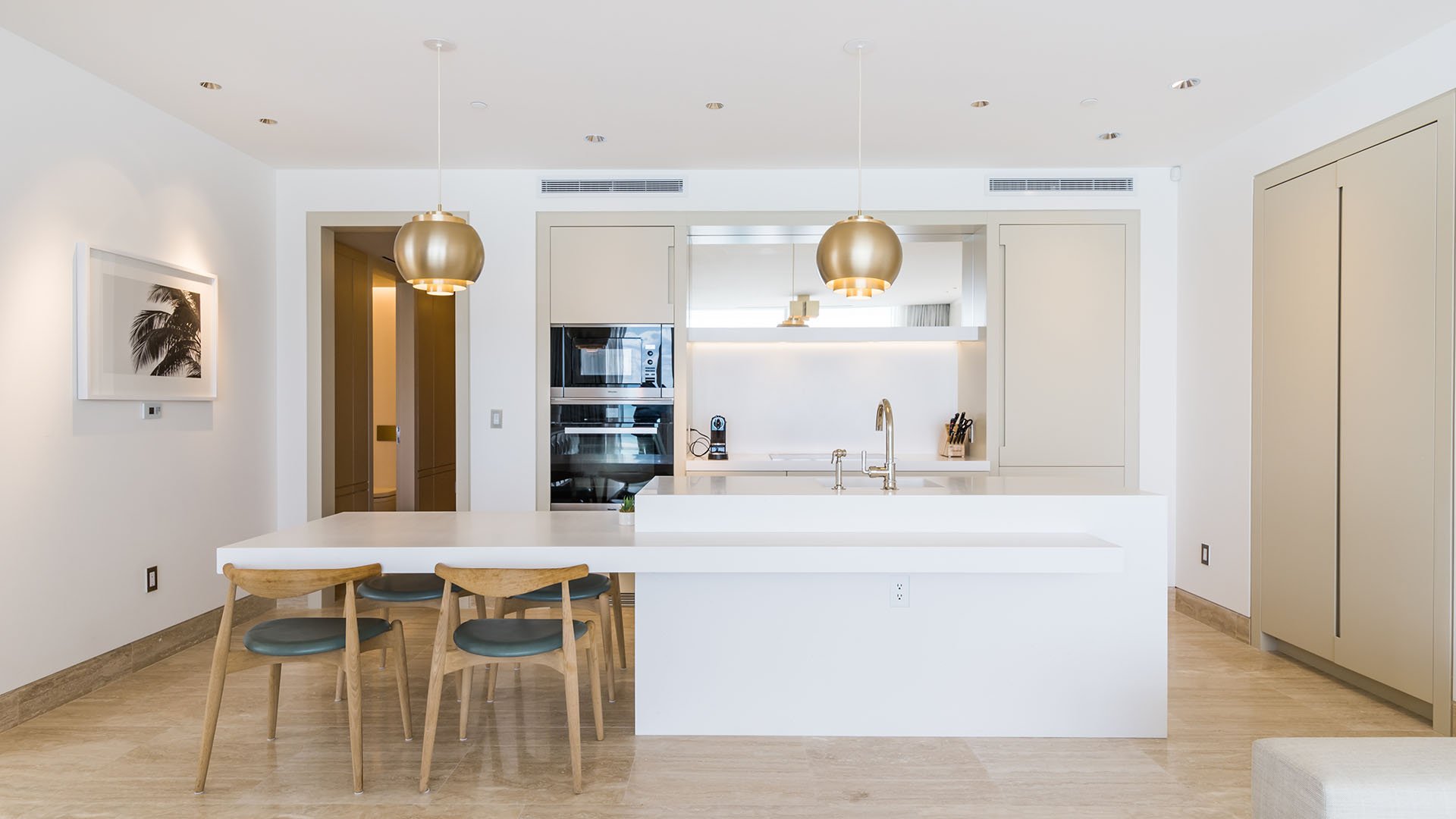
For the 2026 luxury buyer, residential hospitality is no longer defined simply by a recognized name, polished lobby or attentive service. Privacy rests on how ownership, access, staffing, rentals and shared amenities function together after closing. That distinction is particularly important when comparing Mr. C Tigertail Coconut Grove with The Surf Club Four Seasons Surfside.
These addresses frame a broader choice within South Florida’s branded-residences market. One buyer may prefer the intimacy of Coconut Grove and a residential-only building; another may begin with Surfside and the appeal of residential hospitality associated with a celebrated oceanfront name. Yet brand recognition alone does not establish discretion. The essential question is how effectively a property separates private domestic life from every other use.
Completed in 2024, Tigertail is a luxury condominium, not a hotel or condo-hotel. Located at 2678 Tigertail Avenue, it is the second tower in the two-building Mr. C Residences Coconut Grove development. Its sister tower stands at 2655 South Bayshore Drive, while Tigertail occupies the inland address.
Tigertail is a 21-story residential tower. Terra developed it in partnership with Maggio Cipriani’s Mr. C, bringing together architecture by Arquitectonica and interiors by Meyer Davis. The concept pairs private condominium ownership with a hospitality-led identity connected to the Cipriani family’s Mr. C brand.
This residential-only framework is Tigertail’s clearest privacy proposition. Owners receive the service vocabulary and amenities associated with luxury hospitality without placing their homes within a conventional transient hotel operation. For buyers who value predictability in corridors, elevators and common spaces, that distinction may carry more weight than an expansive amenity inventory.
Floor plans range from one to four bedrooms, with interiors spanning approximately 648 to 3,555 square feet. This breadth accommodates several ownership profiles, from a compact Miami base to a more substantial primary residence. The total residence count is cited as either 125 or 134, so buyers should confirm the controlling figure in the current condominium documents.
The broader development launched sales in 2020, sold out during the pandemic and was subsequently completed. For many 2026 buyers, resale availability is therefore the relevant path to ownership. Historical asking-price snapshots have ranged from approximately $910,000 to $9 million, but they should not be treated as current pricing. One previous offering for residence 1603-a 976-square-foot, two-bedroom home-asked $1,799,900, providing only a dated illustration of the building’s resale tier.
These figures offer context, not valuation. Floor, exposure, condition, furnishings, parking rights and seller motivation can materially shape an individual offering. Buyers should also weigh monthly carrying costs against the service program actually provided.
The useful comparison between Tigertail and The Surf Club Four Seasons Surfside is not a contest of names but an examination of boundaries. Tigertail’s documented point of difference is its purely residential setting with hospitality-style service. At The Surf Club, buyers should independently establish the precise operating arrangement applicable to the residence under consideration before reaching conclusions about privacy.
The same discipline applies to other branded options. Four Seasons Residences Coconut Grove can sit on a Grove-focused comparison sheet, while Arte Surfside offers another Surfside reference point. Their inclusion should prompt sharper questions, not assumptions based on neighborhood or branding.
A privacy review should determine who may enter residential lobbies, whether elevators are dedicated or shared, how guests and vendors are screened, and which amenities are accessible to nonresidents. It should also establish where service staff circulate, how deliveries reach each home and whether events can alter traffic through common areas.
Marketing language may describe an atmosphere, but governing documents define an owner’s practical experience. Buyers should review the declaration, bylaws, current rules, management agreements, budgets and any amendments. Rental provisions warrant particular attention, including minimum lease periods, annual frequency limits, approval procedures and the treatment of short stays.
Access controls should be tested in person. Visit at different times, observe the arrival sequence and ask management to explain the routes used by residents, guests, staff and deliveries. Confirm whether private entrances or elevator arrangements are legal rights, current operating practices or conveniences that could change.
Service requires equal scrutiny. Determine which offerings are included in common charges, which are billed separately and which depend on a third-party operator. A seamless experience has value, but buyers should understand what happens if management changes, staffing is adjusted or an agreement expires.
The strongest choice is the property whose operations align with the buyer’s definition of privacy. For some, privacy means avoiding transient hotel traffic. For others, it means a highly managed arrival, rapid in-residence service and minimal personal administration. Neither preference is universal.
Tigertail presents a clear case for hospitality within a residential condominium structure. The Surf Club comparison should be resolved residence by residence through verified operating and legal details. In both cases, the decisive luxury is control: knowing who shares the building, how service reaches the home and which rules preserve that experience over time.
Is Mr. C Tigertail a hotel or condo-hotel? It is a luxury condominium, not a hotel or condo-hotel.
When was Mr. C Tigertail completed? The tower was completed in 2024.
Where is Mr. C Tigertail located? It is located at 2678 Tigertail Avenue in Coconut Grove, Miami.
What makes Tigertail relevant to privacy-focused buyers? Its defining distinction is hospitality-style service within a purely residential condominium environment.
How large are the residences at Tigertail? Plans span one to four bedrooms and approximately 648 to 3,555 interior square feet.
How many residences are in the building? The stated count varies between 125 and 134 residences, so purchasers should verify the current condominium documents.
Are historical asking prices reliable for a 2026 purchase? No. They provide context only; live inventory, condition and residence-specific attributes determine current value.
What rental terms should a privacy-minded buyer review? Confirm minimum lease periods, annual rental frequency, tenant approvals and all rules governing short stays.
Which access details matter most? Review entrances, elevator use, guest screening, delivery routes and the circulation of staff and nonresidents.
How should buyers compare Tigertail with The Surf Club? Compare legal structure, access separation, rental controls, shared facilities and service obligations rather than relying on branding alone.
To compare the best-fit options with clarity, connect with MILLION.
If branded residences are on your mind — as a home or as an allocation — we would be glad to share what we are seeing, privately.
Begin a quiet conversation