Austin relocators should evaluate Miami waterfront property as both a residence and a marine asset, with close attention to navigation, dock rights, shoreline infrastructure, insurance exposure, recurring costs, and daily-life logistics.
For buyers arriving from Austin, Miami’s waterfront market demands a different form of due diligence. A compelling panorama may be the emotional starting point, but the underlying water type should be considered when assessing how the property functions, what it may cost to maintain, and whether it suits the buyer’s intended use.
Bayfront, canal-front, riverfront, Intracoastal, and oceanfront settings are not interchangeable. Compare properties by boating access, privacy, exposure, wake activity, utility, and risk profile before comparing asking prices.
A dock is valuable only if the route from dock to open water suits the intended vessel. Before making an offer, verify fixed-bridge clearances, canal width, water depth at mean low water, wake-zone restrictions, and practical travel time to the nearest inlet. A short distance on a map may not reflect the practical boating route.
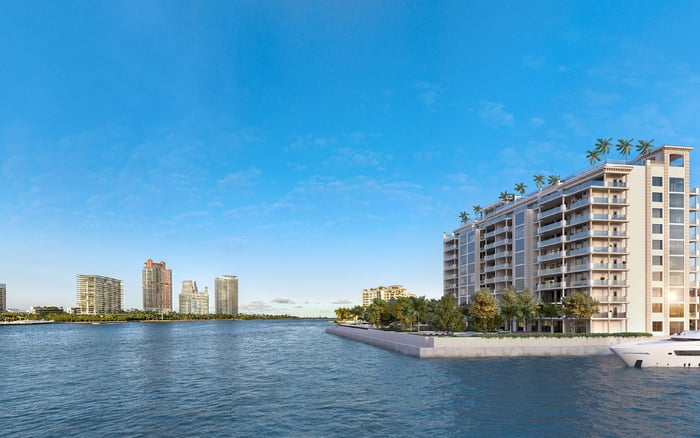
Match the slip dimensions and permitted vessel size to the boat you own or expect to acquire. Account for maneuvering room rather than treating nominal length as the only measurement. Buyers considering a Brickell residence such as Una Residences Brickell should apply the same route-based analysis used for a private home: identify every bridge, channel, rule, and transfer between the residence and open water.
Never assume a waterfront address includes an unrestricted berth. Confirm whether dockage is deeded, assigned by an association, leased, or available by permission, and review how that arrangement affects control, transferability, recurring expense, and future availability.
For a condominium, review association and marina rules governing vessel size, dock use, guest access, parking, storage, and waterfront amenities. The offering and governing documents-not promotional language-should control the analysis. At Onda Bay Harbor, for example, a buyer’s review should distinguish the residence from any rights, restrictions, or costs associated with dock use.
Counsel should also examine recorded rights, association documents, leases, and relevant permits. Written confirmation is preferable to custom, informal permission, or a seller’s understanding of past practice.
Conventional inspections are only the beginning. Engage appropriate specialists to evaluate the seawall, dock, boat lift, drainage, and related permits. Review condition, remaining service life, and repair responsibility separately from the home itself.
For a single-family property, determine which structures sit within the parcel and who maintains them. In a condominium, clarify whether shoreline work is a common expense and whether assessments are pending or foreseeable. A visual review of a dock is no substitute for appropriate inspection, and recent work should be reconciled with permits and approvals.
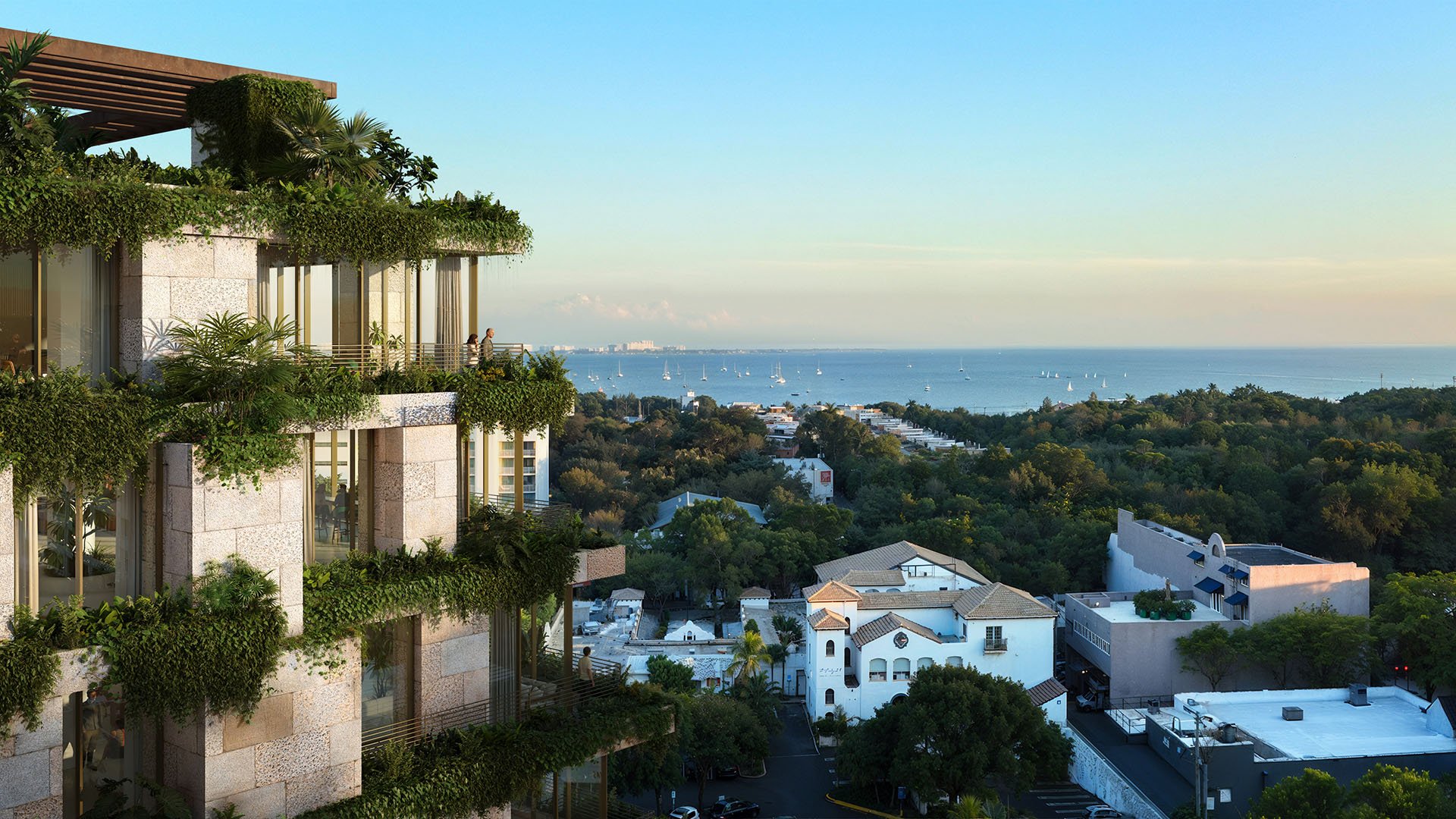
This discipline applies across Coconut Grove and Grove Isle. A residence such as Vita at Grove Isle belongs within a broader comparison of physical exposure, governance, access, and recurring obligations-not merely architecture and outlook.
Obtain property-specific insurance indications early. Review elevation, construction, flood exposure, proximity to open water, financing requirements, and potential resale implications.
Build an ownership model that extends beyond principal and interest. Include condominium or HOA fees, flood and wind coverage, dock upkeep, seawall maintenance, boat-lift service, and possible assessments. For an investment purchase, model these expenses independently rather than folding them into a general maintenance allowance.
Check insurance availability and terms for the specific property rather than relying on a neighboring building or apparently similar house.
Austin residents should test neighborhood rhythm, airport access, dining, and workable commutes alongside boating utility. Compare walkability, marina access, airport convenience, and recurring travel patterns before allowing the view to determine the location.
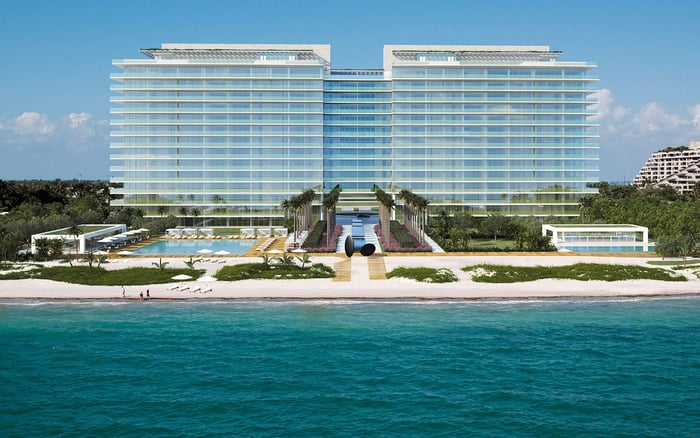
Miami Beach, Brickell, and Coconut Grove offer different daily routines. The Perigon Miami Beach can serve as one Miami Beach reference point, but the essential question remains personal: does the location support ordinary weekdays as convincingly as weekends by the water?
Drive regular routes at realistic times, then test the boating route separately. Evaluate any trade-offs between daily convenience and marine access.
Before committing, organize the review into four files: water type and navigation, legal dockage rights, shoreline condition and permits, and total recurring costs. Each should contain property-specific answers rather than assumptions based on the neighborhood.
Where documents or specialist findings remain outstanding, address them through the contract and professional advice. Focus on whether the property’s access, rights, resilience, and carrying costs align with the intended use.
What is the first distinction a Miami waterfront buyer should make? Identify whether the property is bayfront, canal-front, riverfront, Intracoastal, or oceanfront, then assess how that setting fits the intended use.
Does waterfront ownership automatically include a boat slip? No assumption should be made. Confirm whether dockage is deeded, assigned, leased, or available by permission.
Which navigation details should be verified before an offer? Check fixed-bridge clearance, canal dimensions, mean-low-water depth, wake zones, and the practical route to the nearest inlet.
How should a buyer evaluate vessel compatibility? Compare the slip’s dimensions and permitted vessel size with the current or intended boat, allowing room to maneuver.
What should condominium buyers review beyond the unit? Review association and marina rules governing vessel size, dock use, parking, storage, amenities, fees, and assessments.
Which waterfront components need specialist inspection? Review the seawall, dock, boat lift, drainage, and relevant permits in addition to conventional home systems.
When should insurance be investigated? Investigate property-specific availability and terms early in the search and before finalizing the ownership budget.
Which recurring costs belong in the ownership model? Include association fees, flood and wind coverage, dock and seawall upkeep, lift service, and possible assessments.
Why should permits and approvals be reviewed? They help a buyer reconcile completed or proposed waterfront work with the property records and governing requirements.
How should Austin relocators compare Miami neighborhoods? Balance boating access and water type with walkability, airport convenience, commuting patterns, and everyday routines.
For a tailored shortlist and next-step guidance, connect with MILLION.
If branded residences are on your mind — as a home or as an allocation — we would be glad to share what we are seeing, privately.
Begin a quiet conversation