A buyer-focused guide to evaluating climate control, humidity stability, glazing, backup power, and display conditions before purchasing a luxury residence in Downtown Miami.
For a serious collector, a residence is more than a place to live. It is a private environment for stewardship. In Downtown Miami, where glass, height, bay views, and sun exposure define much of the luxury experience, art-friendly climate control belongs in the conversation before a contract is signed, not after the first delivery truck arrives.
The right questions are less about whether a building has air conditioning than about how precisely the residence manages temperature, humidity, airflow, light, and system continuity. A dramatic living room can be exceptional for entertaining and still require careful planning before paintings, works on paper, textiles, photography, or design objects are installed.
Buyers comparing addresses such as Aston Martin Residences Downtown Miami, Waldorf Astoria Residences Downtown Miami, and One Thousand Museum Downtown Miami should bring the same discipline to mechanical questions that they bring to views, privacy, and finishes.
Humidity is the first conversation. Ask whether the residence has dedicated humidity control, how it is monitored, and whether readings can be reviewed over time. A single thermostat temperature does not tell the full story. Collectors should understand where sensors are located, whether they measure conditions in display zones, and how alerts are handled if readings move outside a desired range.
Ask whether humidity control is building-wide, residence-specific, or supplemental. In some homes, a dedicated system or dehumidification strategy may be needed for collection rooms, corridors, libraries, or internal galleries. If the seller has kept art in the residence, ask whether climate logs, service records, or specialist recommendations are available.
A discreet but important question is whether the system can maintain stability during high-occupancy entertaining. Large gatherings, open terrace doors, catering activity, and frequent elevator movement can change interior conditions. A collector’s home needs elegance on event nights, but it also needs recovery.
Temperature is not just a comfort setting. It is a map. Ask how many zones serve the residence, which rooms share equipment, and whether those zones align with the way you intend to live and display art. A primary bedroom zone may not serve a hallway gallery. A great room zone may behave differently near floor-to-ceiling glass than it does near an interior wall.
For residences with large entertaining spaces, such as those a buyer may compare in Casa Bella by B&B Italia Downtown Miami, the question is whether the architecture supports stable microclimates. This is where Design & Architecture becomes more than aesthetics. Wall placement, ceiling heights, return-air locations, and mechanical access all influence how art lives in the space.
Ask for a mechanical walk-through with someone who can explain the system plainly. You want to know what is adjustable, what is fixed, and what would require board approval, building approval, or specialized installation.
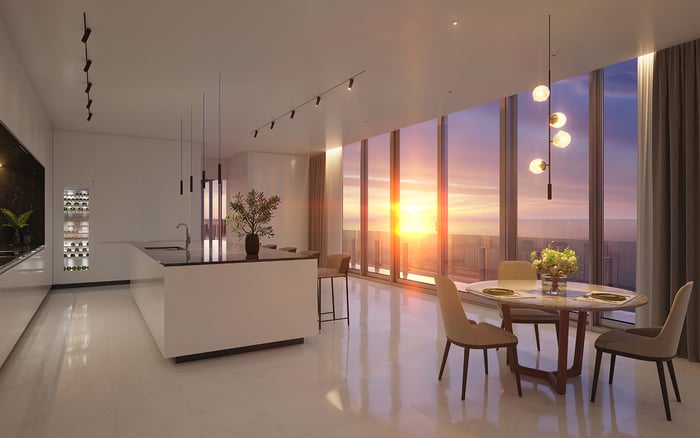
Downtown Miami residences often celebrate glass. For collectors, glass requires a second layer of review. Ask about window treatments, UV mitigation, solar gain, and the way morning or afternoon light moves across major rooms. A wall that looks ideal at noon may behave differently in another season or during a long summer afternoon.
Do not assume that a beautiful view wall is an art wall. In many residences, stronger display locations may be perpendicular to glass, within corridors, or along interior partitions. Ask whether shades can be automated, whether scenes can be programmed for art protection, and whether planned lighting can be separated from general mood lighting.
If your collection includes photography, works on paper, vintage textiles, or sensitive materials, invite an art installer or conservation-minded advisor before finalizing furniture layouts. The cost of early advice is modest compared with the cost of relocating a major work after installation.
Airflow should be gentle, consistent, and predictable. Ask where supply vents and returns are located, and whether air blows directly onto proposed art walls. Direct airflow can complicate display planning, particularly for delicate surfaces, framed works, and objects placed on consoles or pedestals.
Filtration deserves attention as well. Ask what type of filters are used, how often they are changed, and who is responsible for maintenance inside the residence. A luxury building may have a polished amenity program, but the collector’s concern is the actual path of air through private rooms.
Access matters. If equipment is difficult to service, maintenance may be delayed or performed less thoroughly. Ask whether mechanical closets, condensate lines, drain pans, and controls can be reached without disrupting built-ins, art walls, or millwork. This is especially important for buyers planning custom installations after closing.
A residence suited to a collection should have a plan for interruption. Ask what happens if power is lost, if a condenser fails, if a drain line backs up, or if a sensor triggers an alert while you are away. The answer should include people, not just technology. Who receives the alert? Who has access? Who can act?
For part-time residents and second-home owners, remote monitoring can be as important as the system itself. Ask whether temperature and humidity can be checked remotely, whether notifications can be shared with property managers, and how service vendors are admitted when the owner is traveling.
Waterfront living adds another layer of discipline. Waterfront views are a privilege, but proximity to moisture, storms, and salt air makes maintenance culture important. The question is not whether a home is beautiful. The question is whether the residence is managed with the quiet rigor a collection deserves.
Downtown Miami and Brickell appeal to collectors for different reasons, from cultural access and skyline drama to dining, private clubs, and international convenience. The right choice depends on how the residence will be used. A buyer who entertains heavily may prioritize event recovery and service access. A buyer with a quieter private collection may care more about internal wall lengths, humidity consistency, and elevator logistics.
In Brickell, buyers considering residences such as St. Regis® Residences Brickell or The Residences at 1428 Brickell should ask the same practical questions: where art can live, how conditions are controlled, and what changes are realistic after closing.
During Art Basel season, many owners rediscover the importance of flexible display, secure receiving, and interior conditions that support both collecting and entertaining. The strongest residences feel effortless because the technical groundwork has already been considered.
Before buying, request a simple climate-control due diligence package. It should include equipment information, maintenance records if available, control capabilities, sensor locations, warranty details when applicable, and any rules affecting modifications. Ask your inspector, mechanical consultant, designer, and art advisor to review the residence together rather than in isolation.
The essential principle is straightforward: art-friendly luxury is not defined by one device. It is the relationship between architecture, mechanical systems, light, access, and management. When those elements are aligned, a Downtown Miami residence can support both a sophisticated life and a serious collection.
Should I ask about humidity before making an offer? Yes. Humidity control is central to art stewardship and should be reviewed during due diligence, not after closing.
Is a standard thermostat enough for a collection? Usually, it is only part of the picture. Ask about humidity readings, sensor placement, zoning, alerts, and historical stability if available.
What rooms are best for displaying sensitive works? Interior walls, controlled corridors, and spaces away from direct sun or direct airflow are often easier to manage. A specialist can confirm the best locations.
Should I bring an art advisor to a showing? For a meaningful collection, yes. An art advisor or installer can identify display and environmental issues that may not be obvious during a standard tour.
How important are window treatments? Very important. Automated shades, UV-conscious strategies, and thoughtful lighting scenes can help manage exposure while preserving the view experience.
What should I ask about HVAC maintenance? Ask who services the system, how often filters are changed, and whether equipment can be accessed without disturbing built-ins or display walls.
Do high-floor residences create special art concerns? They can. Sun exposure, wind-driven terrace use, elevator logistics, and temperature variation should all be reviewed before installation.
Is remote monitoring necessary for part-time owners? It is highly useful. Remote access to temperature, humidity, and alerts helps protect a residence when the owner is away.
Can climate upgrades be added after closing? Sometimes, but approvals, access, ceiling conditions, and building rules may affect what is possible. Ask before assuming a retrofit is simple.
What is the most overlooked question for collectors? Ask who can respond when something goes wrong. A good system needs a clear human protocol behind it.
For a tailored shortlist and next-step guidance, connect with MILLION.
If branded residences are on your mind — as a home or as an allocation — we would be glad to share what we are seeing, privately.
Begin a quiet conversation