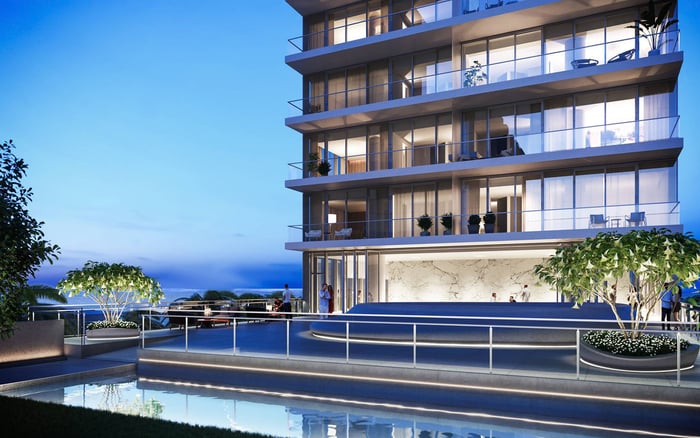
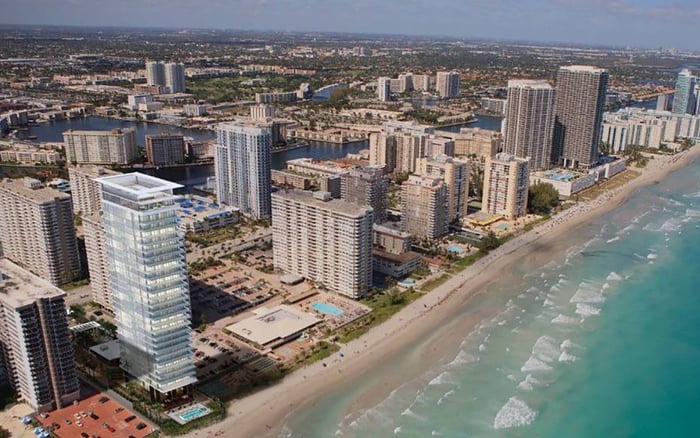
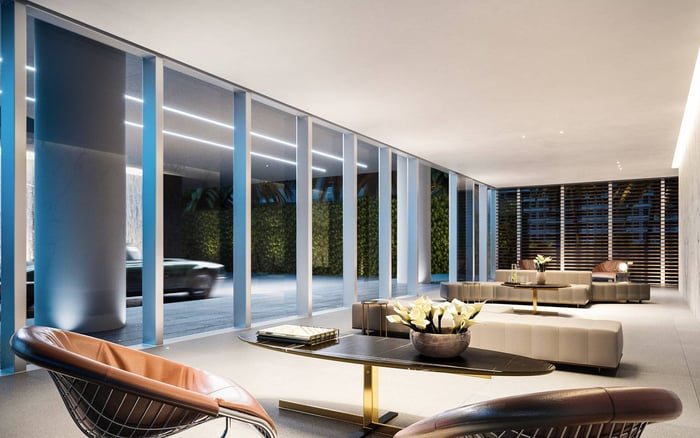
A discreet buyer’s guide to reviewing amenity operating budgets before purchasing luxury real estate in Hallandale Beach, with practical questions on staffing, reserves, service levels, insurance, and long-term value.
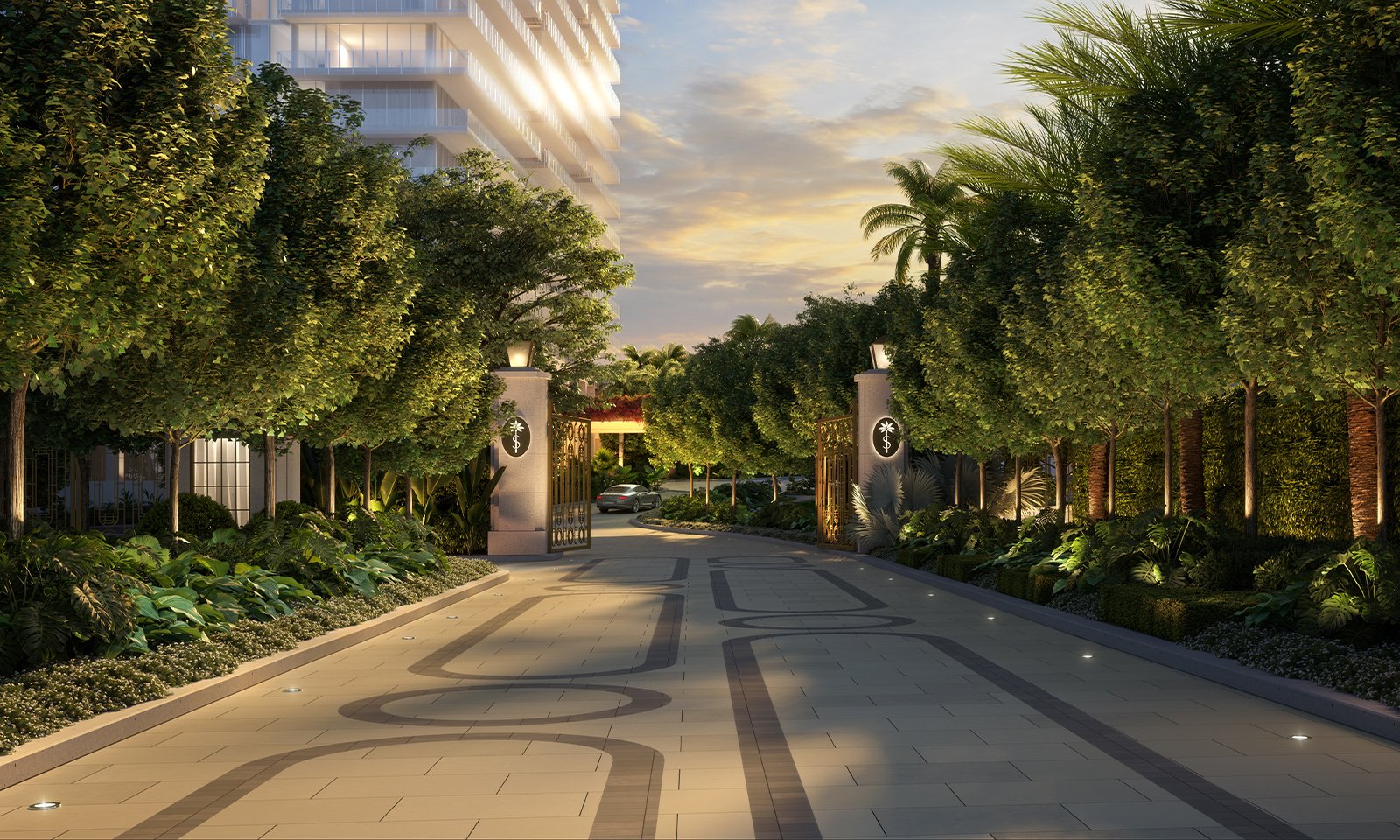
In luxury real estate, amenities often create the first emotional pull. The arrival sequence, wellness suite, pool deck, private lounges, valet court, and quiet choreography of staff all shape how a residence feels before a buyer studies a single line item. Yet in Hallandale Beach, the more enduring question is not simply which amenities exist. It is how they are funded, staffed, maintained, insured, and renewed over time.
An amenity operating budget is the financial translation of the lifestyle being offered. It shows whether the service culture has been thoughtfully planned or merely promised. For buyers considering Oceanfront residences, especially in a competitive corridor between Miami-Dade and Broward, this document can be as revealing as the view line. It helps distinguish a polished presentation from a sustainable ownership experience.
A buyer comparing established and new offerings, from 2000 Ocean Hallandale Beach to Shell Bay by Auberge Hallandale, should treat the budget review as part of the property tour. The question is not whether a building feels luxurious on day one. The question is whether the association can preserve that feeling year after year.
Staffing is often the most important recurring cost behind a high-service building. Valet, front desk, security, maintenance, management, cleaning, pool attendants, lifestyle programming, and hospitality personnel may all shape monthly ownership costs. A lean staffing model can reduce carrying costs, but it may also affect wait times, security presence, cleanliness, and the composed atmosphere luxury buyers expect.
Ask for a plain-English explanation of every staffing category. Which roles are full time, part time, third party, seasonal, or shared? Are payroll taxes, benefits, uniforms, training, and overtime included? Does the budget assume a specific level of service for peak season, weekends, holidays, and major events? If a building offers hospitality-style amenities, the staffing plan should feel equally deliberate.
For Hallandale Beach buyers, the most useful question is direct: if every residence were occupied at once, would the staffing plan still support the promised experience? If the answer is vague, ask again.
Amenity spaces age differently than private residences. Pool decks, fitness equipment, spa areas, elevators, lighting systems, landscaping, lobby finishes, outdoor furniture, access systems, and mechanical equipment all require regular care. A budget that lists maintenance costs without explaining cadence can obscure future pressure.
Ask which items are serviced daily, weekly, monthly, quarterly, and annually. Confirm whether contracts cover preventive maintenance or only reactive repairs. A beautifully designed gym without an equipment replacement plan can become dated quickly. A pool deck without disciplined upkeep can lose its resort character. A lobby with complex finishes may require specialized care.
This is particularly relevant in New-construction purchases, where first-year estimates can look orderly before the building has developed a real operating history. Ask whether the projected budget has been tested against the full amenity program, and whether the association expects adjustments after turnover.
Luxury buildings increasingly distinguish between association-funded amenities, optional services, and individually billed experiences. That distinction matters. A lounge may be included, while private events involve fees. A spa facility may be common area, while treatments are separate. A marina, club component, golf access, dining program, beach service, pet service, storage, or guest suite may follow its own payment structure.
Before buying in Hallandale Beach, ask for a clear map of included, optional, and separately billed services. The goal is not to reduce the experience to cost. It is to understand how the experience is governed. If an amenity requires reservations, fees, waivers, deposits, or outside operators, those details belong in the diligence conversation.
This is where Buyer's Guides often become too general. The refined buyer should ask not only, “Do I have access?” but also, “Who pays, who controls the rules, and what happens if demand exceeds capacity?”
Operating budgets handle routine expenses. Reserves address larger future needs. In a luxury building, the connection between the two is essential. Amenity-rich properties may require significant future investment in furnishings, systems, equipment, surfaces, technology, and exterior areas. If reserves are thin or poorly aligned with the building’s amenity program, owners may face special assessments or visible decline.
Ask whether reserve planning accounts for the full amenity footprint. Does it contemplate future replacement of fitness equipment, pool furniture, audio-visual systems, lobby finishes, access technology, and major mechanical systems tied to amenity areas? Are waterfront and exterior exposures considered in the maintenance philosophy? Has the association separated cosmetic refresh cycles from structural or mechanical obligations?
For buyers weighing Hallandale against nearby markets, this lens can be clarifying. A residence at Bentley Residences Sunny Isles, a coastal home in Hallandale, and a Broward beachfront offering may each present a different mix of amenities, ownership structure, and long-term cost behavior. The comparison should include budget architecture, not just brand presence.
Three categories can reshape amenity budgets with little warning: insurance, utilities, and vendor contracts. Buyers should ask how the association budgets for property insurance, liability coverage, electricity, water, cooling, pool operations, landscaping, janitorial services, security, elevator service, and management contracts. Even if exact future costs cannot be predicted, the budgeting logic should be clear.
Ask which contracts are fixed, which are variable, and which renew soon. Ask whether any introductory pricing is embedded in the current budget. Ask whether utility costs are allocated to the association, individual owners, or a combination. In buildings with extensive common areas, climate-controlled amenity space, water features, or elevated service expectations, small changes in contract terms can have meaningful impact.
The sophisticated buyer is not looking for a perfect forecast. They are looking for a board, developer, or management team that understands the building as an operating asset.
In new or recently completed buildings, the transition from developer control to owner control is a pivotal moment. The initial budget may be a projection. The mature budget reflects actual use, real contracts, owner expectations, and the practical rhythm of the property. Buyers should ask how the budget may change after the association assumes full responsibility.
What assumptions are temporary? Which vendor agreements will owners inherit? Are warranties in place for key systems? Are any costs subsidized, deferred, or expected to normalize later? If a club, hotel, branded operator, or third-party amenity partner is involved, how are obligations divided?
This is not a reason to avoid ambitious amenity programs. South Florida’s best luxury properties often justify their costs through disciplined service and exceptional execution. The point is to understand the bridge between the sales gallery lifestyle and the owner-funded reality.
Amenities are not valuable simply because they exist. They are valuable when they remain available, well-managed, and aligned with owner expectations for privacy. Ask about guest policies, event limitations, rental restrictions, reservation systems, pet rules, pool and cabana protocols, package handling, valet procedures, and access controls.
In Hallandale Beach, where residents may include seasonal owners, full-time residents, international buyers, and second-home users, amenity demand can fluctuate. A sensible operating budget should work alongside clear rules. If the building allows extensive guest use or short-term occupancy, staffing and maintenance assumptions should reflect that reality.
A buyer considering Auberge Beach Residences & Spa Fort Lauderdale or The Ritz-Carlton Residences® Fort Lauderdale as a comparison point should ask the same questions: how does the building preserve a private residential atmosphere while managing high-touch amenities?
The strongest amenity budgets do not merely pay bills. They protect continuity. They keep the lobby composed, the pool deck pristine, the staff confident, the systems reliable, and the owner experience consistent. In Hallandale, where waterfront living is defined by both beauty and exposure, that discipline is part of the asset.
Before signing, ask for the budget, the reserve schedule, the rules, the contracts summary, and an explanation of assumptions. Have counsel and a qualified advisor review the documents. Then walk the property again with the budget in mind. The most important amenity may be the one you never see: a financial plan capable of sustaining the lifestyle you are buying.
What is an amenity operating budget? It is the portion of a condominium or association budget that funds daily amenity services, staffing, maintenance, utilities, contracts, and related operating costs.
Why does it matter in Hallandale Beach luxury real estate? Amenity-rich buildings require disciplined funding to preserve service quality, privacy, and physical condition over time.
Should I ask for the budget before making an offer? Yes. Reviewing the budget early helps you understand likely carrying costs and the sustainability of the lifestyle being presented.
Are lower monthly fees always better? Not necessarily. A low fee can be attractive, but it should be weighed against staffing depth, maintenance quality, reserves, and future assessment risk.
What staffing questions should I ask? Ask which positions are full time, part time, outsourced, seasonal, or shared, and whether overtime, benefits, training, and peak demand are included.
How do reserves differ from operating expenses? Operating expenses fund recurring needs, while reserves help pay for larger future repairs, replacements, and capital improvements.
What should New-construction buyers watch closely? They should ask whether first-year estimates reflect the full amenity program and how costs may change after owner turnover.
Can optional services affect my ownership cost? Yes. Spa services, private events, guest suites, beach service, storage, valet, or club-related access may involve separate fees.
How can rules affect amenity value? Rules shape privacy, guest access, reservations, event use, rental activity, and capacity, all of which influence the owner experience.
Who should review the documents with me? A real estate attorney, qualified financial advisor, and experienced luxury broker can help interpret the budget, reserves, and rules.
For a confidential assessment and a building-by-building shortlist, connect with MILLION.
If branded residences are on your mind — as a home or as an allocation — we would be glad to share what we are seeing, privately.
Begin a quiet conversation