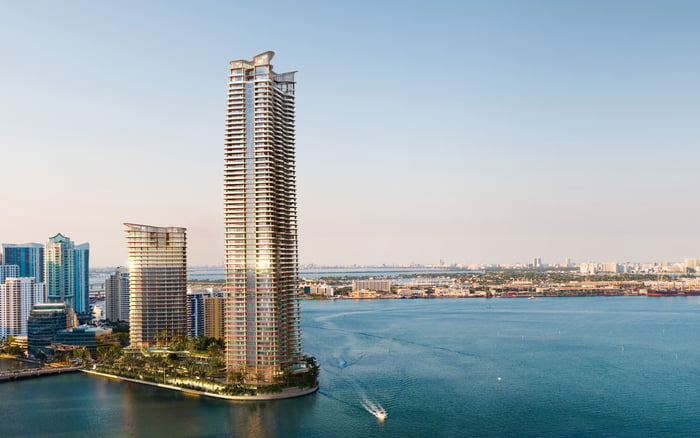
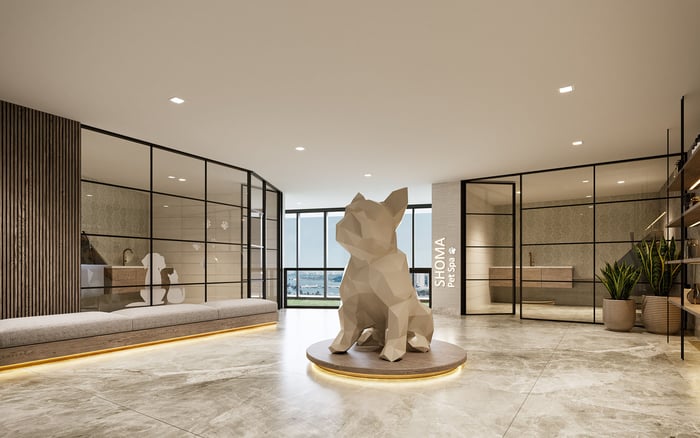
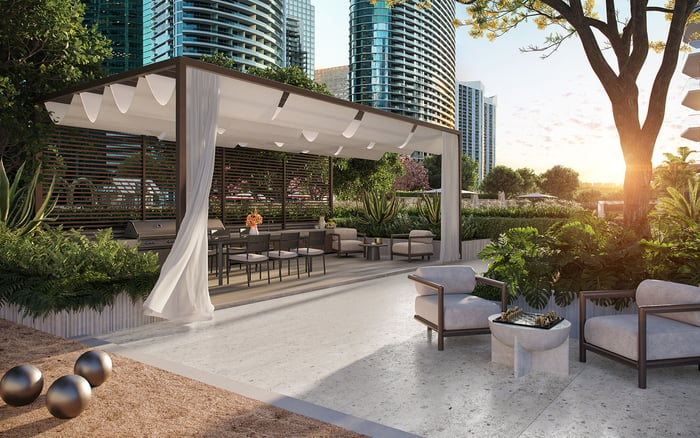
A discreet due-diligence guide to reviewing amenity operating budgets before purchasing luxury real estate in Brickell Key and the surrounding Brickell market.
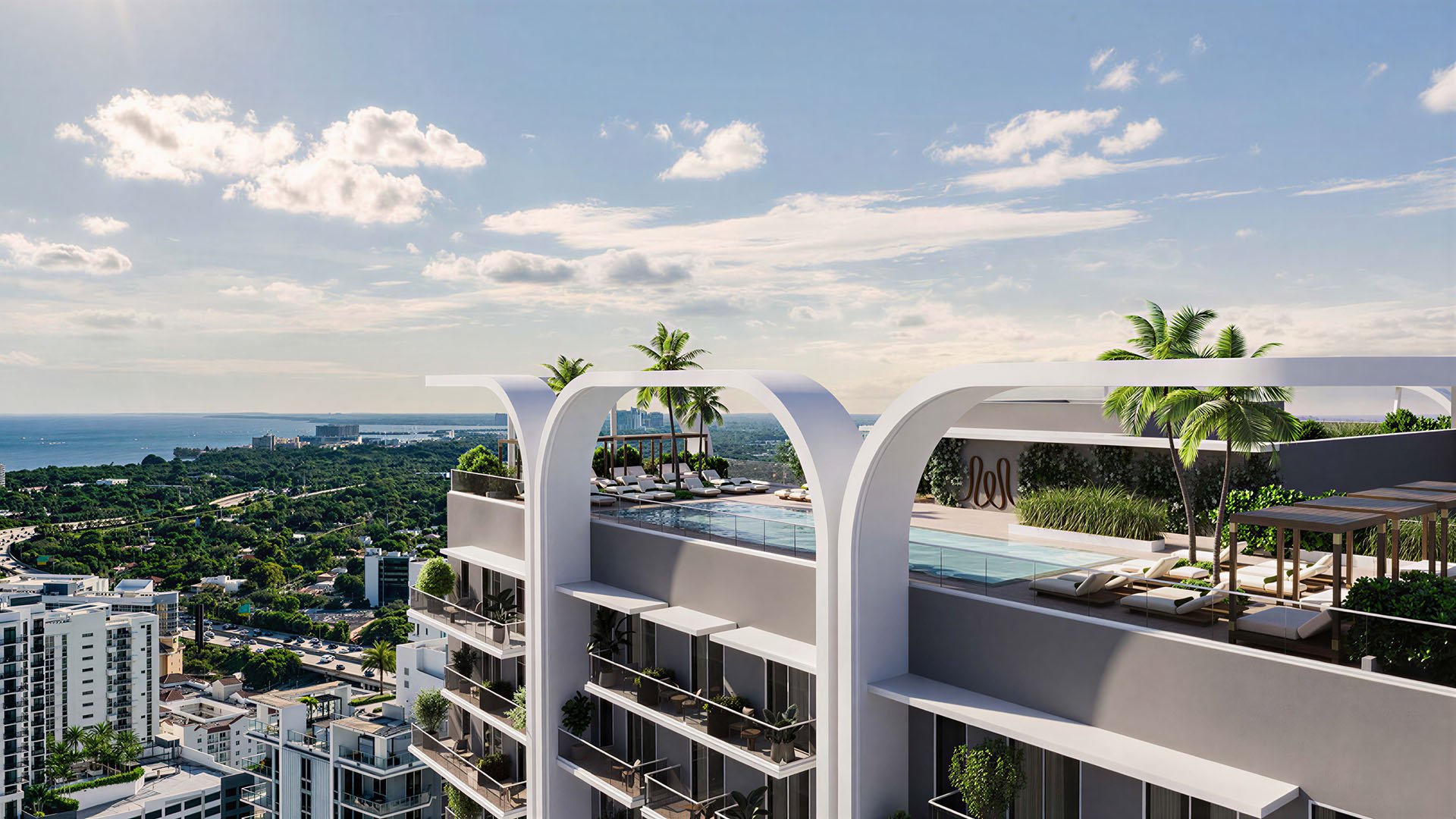
In Brickell Key, the view is only part of the purchase. The quieter question is whether the building can operate its promised lifestyle with discipline, consistency and appropriate financial depth. A polished lobby, staffed arrival sequence, pool deck, wellness spaces, resident lounges and valet-style services all require ongoing funding. The monthly association payment is not simply an expense. It is the financial engine behind privacy, presentation and ease.
For luxury buyers, the amenity operating budget deserves the same scrutiny as floor plan, exposure and finish quality. It shows how a property intends to preserve the standard that first attracted you. A low monthly figure can be appealing, but it may also point to deferred service, thin staffing or future increases. A higher figure can be rational when it supports a genuinely elevated operating model.
Before comparing buildings, ask what the budget is designed to deliver. Is the property built around a highly staffed residential experience, a leaner condominium format or something in between? Ask which services are included in the operating budget, which are billed separately and which depend on third-party contracts.
In greater Brickell, buyers often compare the established feel of Brickell Key with newer offerings across the mainland. Projects such as Baccarat Residences Brickell and Cipriani Residences Brickell are useful reminders that amenity language can sound similar while operating models differ materially. The important point is not which building has the longest amenity menu. It is whether the budget supports the level of service being marketed.
Ask for clarity on front desk coverage, security coverage, management presence, maintenance staffing, common-area housekeeping and the cost assumptions behind each. If a building promises hotel-like ease, the staffing line should not feel incidental.
A serious buyer should ask for the current operating budget, recent financial statements, meeting materials when available and any known discussion of upcoming changes. Review the line items, but also ask the narrative questions behind them.
How often are service contracts rebid? Are major amenity areas maintained by in-house personnel or outside vendors? Are utilities separately metered where appropriate? Are cleaning, landscaping, security, pool maintenance and mechanical systems budgeted at a level that reflects the scale of the property? If there is a spa, gym, private dining room, screening room, marina component or club-style space, ask whether usage drives additional cost.
Waterfront buildings deserve especially careful review because common areas can be more complex to maintain. That does not make them less desirable. It simply means the buyer should understand how the association plans, funds and supervises recurring upkeep.
One of the most important distinctions is the difference between today’s operating budget and long-term reserve planning. Operating expenses keep the building functioning month to month. Reserves help prepare for larger replacements and capital work. Both matter, but they answer different questions.
Ask whether the budget relies on optimistic assumptions. If an amenity feels expensive to operate, ask where that expense appears. If a common area looks ready for a refresh, ask whether the work is already funded, being discussed or likely to require future owner participation. The most refined buildings do not avoid capital needs. They anticipate them.
This is especially relevant when comparing existing Brickell Key residences with new-construction alternatives nearby, including St. Regis® Residences Brickell and The Residences at 1428 Brickell. A new building may begin with fresh systems and a curated lifestyle program, while an established building may offer a track record of actual operations. Both can be compelling, but each should be evaluated through a different financial lens.
Amenity budgets are ultimately shared by owners. A buyer should understand whether the building’s lifestyle is funded broadly through dues, selectively through user fees or partly through outside arrangements. None of these structures is automatically better. The right structure depends on how residents use the property.
If you expect frequent use of wellness areas, dining spaces, guest suites or water-oriented amenities, ask whether the current budget supports that level of use. If you travel often and value effortless lock-and-leave ownership, focus on security, access control, package handling, maintenance response and management depth. The best purchase is not always the building with the most amenities. It is the building whose expenses align with your actual life.
Numbers tell only part of the story. An amenity budget also signals the culture of the association. Some buildings prioritize immaculate presentation and consistent staffing. Others emphasize cost containment. Some are proactive about future work, while others defer difficult conversations. A luxury buyer should know which environment they are entering before closing.
Ask how the board approaches service standards, vendor oversight and owner communication. Ask whether there are recurring complaints about specific amenity areas. Ask whether management has enough authority to solve problems quickly. In high-value real estate, hesitation can become visible: worn finishes, inconsistent staffing, deferred repairs and a service experience that no longer matches the architecture.
For buyers also considering mainland Brickell options such as 2200 Brickell, the same discipline applies. The most persuasive amenity program is one that can be paid for, maintained and governed well.
Even if the purchase is primarily personal, amenity operations affect long-term desirability. Buyers, tenants and future purchasers notice when a building feels cared for. They also notice when monthly costs rise without a visible improvement in service.
The question is not whether dues are high or low in isolation. The question is whether they are coherent. A coherent budget matches the property’s scale, age, staffing promise, amenity complexity and owner expectations. In Brickell Key, where privacy and convenience are central to the appeal, that coherence can be as important as the residence itself.
What is an amenity operating budget? It is the annual plan for funding day-to-day services, staffing, maintenance, utilities and common-area operations in a condominium building.
Why does it matter before buying in Brickell Key? It helps reveal whether the building can consistently deliver the lifestyle, privacy and service level reflected in its pricing.
Should I be concerned if monthly dues seem unusually low? Not automatically, but you should ask whether staffing, reserves or future maintenance needs are being understated.
What documents should I request? Ask for the current budget, recent financials, reserve information, association disclosures and any available materials discussing upcoming projects.
How do reserves differ from operating expenses? Operating expenses cover current services, while reserves are intended for larger future repairs, replacements or capital needs.
Are luxury amenities always worth higher dues? They can be, if the budget supports service quality and the amenities match how you will actually use the property.
What should I ask about staffing? Ask which roles are covered, when coverage is provided, whether staff are in-house or contracted and how service standards are supervised.
Do new buildings have simpler budgets? Not always. New buildings may have fresh systems, but buyers should still examine staffing assumptions, service contracts and future operating expectations.
Can amenity budgets affect resale value? Yes. Well-run amenities can support desirability, while poorly funded operations may weaken the ownership experience and buyer confidence.
Who should review the budget with me? Use qualified legal, financial and real estate advisors who understand condominium ownership and luxury building operations.
If you'd like a private walkthrough and a curated shortlist, connect with MILLION.
If branded residences are on your mind — as a home or as an allocation — we would be glad to share what we are seeing, privately.
Begin a quiet conversation